On the initiative of the World Health Organization (WHO), World Patient Safety Day is held on September 17 each year. This year's theme is drug safety: "World Patient Safety Day: medication safety, medication without harm". WHO encourages healthcare professionals and patients to take action to ensure the safety and harm reduction of medicines. It should be emphasized that this day is celebrated in most countries, including Rwanda, unfortunately not in Poland. Why?
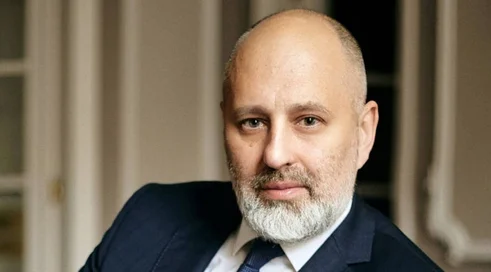
Walenty Zajdel
World Patient Safety Day

Published Sept. 19, 2022 08:08
Drugs are the most widely used interventions in healthcare, and harm from misuse of drugs accounts for the largest proportion of total preventable harm. Errors can occur at different stages in the medication process. Research shows that about 70 percent of medication errors occur in primary care.
Worldwide, the cost of medication errors has been estimated at $ 42 billion annually. The WHO recommends increasing efforts to reduce drug-related harm. The project "Medication Without Harm" aims to reduce serious preventable harm from pharmacotherapy by 50% worldwide in the next 5 years.
Moreover, the goal of WHO is not only to improve safety, but also to involve patients more in the therapy process (compliance, adherence, persistence, concordance). WHO highlights 5 key moments in pharmacotherapy and the questions patients should ask themselves:
1) Starting the drug - the name of the drug and what is it used for, what are the risks and side effects, how did I tell the doctor about my allergies and other conditions?
2) Taking the drug - when and how should I take it, is there anything related to food and drink that I should know about taking this drug, what should I do if I have side effects?
3) Adding a drug - Do I really need another drug, have I told my doctor or pharmacist about drugs I am currently taking, can this drug interact with my other drugs?
4) Drug review - how long should I take certain medications, do I take any medications that I no longer need, does the pharmacist check my medications regularly?
5) Discontinuation of medication - when should I discontinue medication, should any of my medication be discontinued suddenly (only gradually), if I have to discontinue medication due to an adverse reaction where should I report it?
In June 2010, the Helsinki Declaration on Patient Safety in Anesthesiology (DeHeBePA) was adopted. In May 2014, the European Declaration of Hospital Pharmacy was adopted - one of the chapters is entitled "Patient Safety and Quality Assurance". In all drug-related activities, the "7R-Right" principle of the "seven right" elements must be followed: right patient, right drug, right dose, right route of administration, right time,
correct information and proper documentation.
Poland has the lowest reporting rate of adverse drug reactions in the entire EU. Monitoring the safety of drugs is very important because their desired effects are accompanied by various types of complications, often dangerous to the health or life of patients. In 2020, the Report of the Supreme Audit Office (NIK) - "Monitoring of adverse drug effects" was published. NIK critically assessed the functioning of the adverse drug reaction monitoring system
important element of pharmacovigilance. In 2021, a total of 36,616 adverse reactions to medicinal products were reported, including 16,960 by marketing authorization holders; by patients 13,306; by healthcare professionals 6,350.
On September 8, 2022, the Standing Committee of the Council of Ministers adopted the Act on Quality in Healthcare and Patient Safety. It is to be hoped that after the entry into force of this law, the patient's safety will significantly increase, including the safety of pharmacotherapy.
Patient safety is of paramount importance. Sooner or later, everyone needs medication. Therefore, not only a doctor, but above all a pharmacist, should be the guarantor of safe pharmacotherapy.
MA farm. Walenty Zajdel