A Draft Regulation of the Minister of Health amending the Regulation on guaranteed services in the field of hospital treatment has been submitted for consultation.
Change in guaranteed benefits

Published Aug. 19, 2024 07:55

fot. iStock
Currently, in the healthcare system, recipients do not have access to services related to the administration of autologous platelet-rich plasma or platelet-rich fibrin. There is also a lack of defined clinical indications and specific conditions for these procedures under guaranteed benefits.
Recommended solutions
It is recommended that measures be taken to exclude from funding medical services that are ineffective or their effectiveness has not been proven in clinical trials. In particular, this applies to procedures related to the introduction of stem cell growth factors and autologous-derived therapies.
Instead, it is suggested that therapies based on the administration of autologous platelet-rich plasma and platelet-rich fibrin, which have demonstrated clinical efficacy in treating a range of conditions, be introduced into the guaranteed benefit system. Introducing these procedures into the public financing system could significantly improve patients' access to effective treatments, as well as optimize healthcare spending by eliminating costs associated with ineffective therapies.
Potential benefits
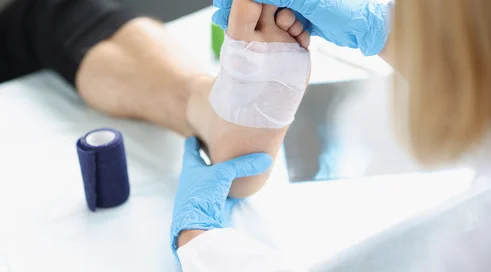
Autologous platelet-rich plasma and platelet-rich fibrin have a wide range of clinical applications. Studies have shown that PRP and PRF can be effectively used in the treatment of: muscle and joint diseases, jawbone, and supportive treatment for skin grafts as well as chronic wounds, burns, diabetic foot, and venous ulceration.
In the UK, decisions to fund platelet-rich plasma therapy with National Health Service (NHS) funds are made by local NHS departments based on an assessment of the clinical effectiveness and cost-effectiveness of the procedure. National Institute for Health and Care Excellence (NICE) guidelines allow the use of platelet-rich plasma in cases of osteoarthritis of the knee and in injections of autologous blood products, including PRP, in patients with plantar fasciitis of the foot.
In the United States, the Centers for Medicare & Medicaid Services (CMS) covers the use of autologous blood products, such as PRP in the form of AutoloGel, for the treatment of chronic non-healing diabetic wounds. For other chronic, non-healing wounds, coverage decisions are made by local Medicare implementers.
Source: RCL