The contamination of melatonin taken by Iga Swiatek probably occurred when the production line was switched from one drug to another. However, this does not mean that the manufacturer did not follow safety standards. Manufactured batches of melatonin were tested, and the tests did not reveal the presence of contaminants at the threshold level. It is worth noting, however, that the analyzers used in anti-doping laboratories are extremely sensitive and can detect even minimal amounts of substances banned in sports.
Contaminated drugs - anti-doping analyzers are most sensitive

Published Jan. 8, 2025 11:39
Thinkstock/GettyImages
Drug quality control systems
Despite the advanced technological development in the pharmaceutical industry, there are still cases of contamination of both active substances and excipients. Any contamination of a drug can be potentially dangerous, with serious consequences for patients. Therefore, one of the key stages in the production of pharmaceuticals is quality control, which guarantees the safety of the product's use.
The safety of drug production is supervised by the manufacturers' quality control laboratories and the National Laboratory for the Control of Medicinal Products, Medical Devices and Biocidal Products, which operates within the National Institute of Medicines. The Institute cooperates with the European Directorate for Quality of Medicines (EDQM) in Strasbourg.
- Advanced analytical testing includes testing of pharmaceutical raw materials, active substances and excipients.
- These tests are carried out in accordance with the guidelines of the Pharmacopoeia and the International Council for Harmonization of Technical Requirements (ICH).
As Prof. Pawel Ramos of the Department of Biophysics at the Silesian Medical University points out:
"With this research, it is possible to conclude that no contaminants or admixtures are identified above a threshold level that is dangerous for the patient."
Sources of drug contamination
Major sources of pollution include:
- Raw materials and drug ingredients - contaminants may already be present in the input materials.
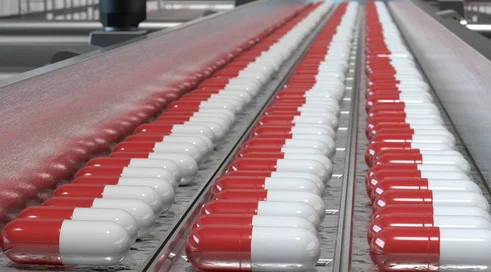
- Production process - technological errors, equipment failures or cross-contamination.
- Production personnel - improper practices can lead to unintended contamination.
High-profile cases included contamination of drugs for diabetes, hyperacidity or hypertension. Sartans (such as valsartan and losartan), among others, were then withdrawn from the market, contaminated with nitrosamines - substances with carcinogenic effects.
The case of Iga Swiatek
In December 2024, trimetazidine (TMZ), a drug used for the symptomatic treatment of angina, was detected in Iga Swiatek's body. The investigation revealed that TMZ was found in melatonin taken by the tennis player due to sleep problems resulting from jet lag. Both drugs are produced by the same manufacturer, and the contamination most likely occurred as a result of a production line switch.
Although batches of melatonin were tested according to GMP protocols and no contaminants above threshold levels were detected, ultra-sensitive anti-doping analyzers detected trace amounts of TMZ. After an investigation, the International Tennis Integrity Agency (ITIA) found Iga Swiatek not guilty, ruling there was no substantial fault or negligence.
Why is quality control crucial?
As Prof. Ramos notes:
"- Drug impurities can lead to reduced therapeutic activity, toxic side effects and, in the case of athletes, can result in a positive result during doping controls. Therefore, adherence to GMP standards, including meticulous procedures to control drug impurities after using modern analytical methods, is essential to make sure that drugs on the market are both effective and 100 percent safe not only for patients, but also for athletes."
Source: Silesian Medical University