Drug security is becoming one of the most important elements of a country's resilience to crises, including armed conflict. During the conference "HEALTH SYSTEM IN WAR TIME. HOW TO USE UKRAINIAN EXPERIENCE?" experts stressed that without a stable supply of medicines, even the best-prepared health care system will not be able to effectively save patients.
Drug safety: Domestic manufacturers a key component of the system

Published Dec. 17, 2025 08:54
Ensuring the continuity of the health care system in crisis situations - such as war, pandemic or the rupture of international supply chains - requires much more than access to modern equipment and trained personnel. As was emphasized during the conference "HEALTH CARE SYSTEM IN WAR TIME. HOW TO USE UKRAINIAN EXPERIENCE?", a key element of security is access to medicines.
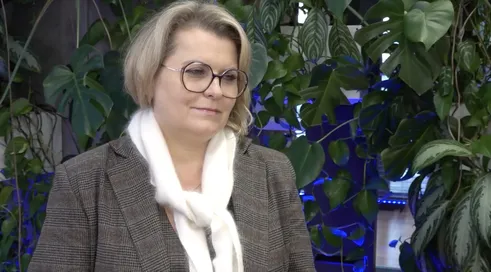
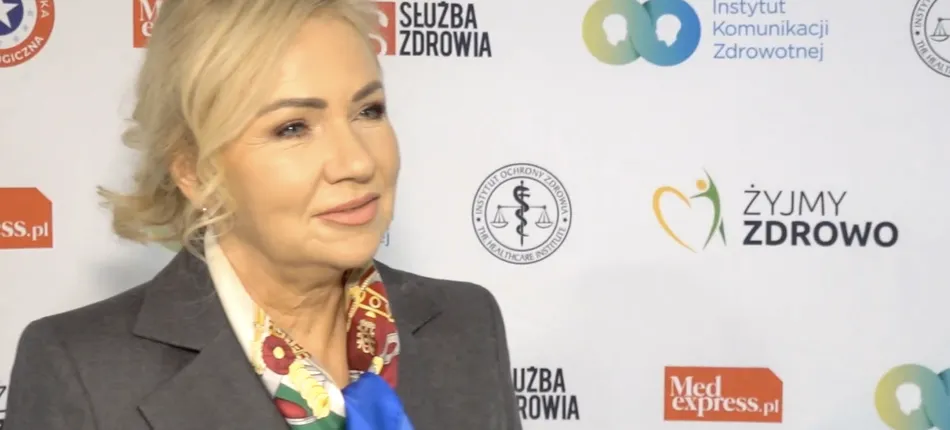
- There is no modern health care without medicines. Even the best doctors, state-of-the-art equipment and (underground) hospitals, will not help the patient, will not save lives without access to medicines," said Barbara Misiewicz-Jagielak, vice president of the National Drug Manufacturers. As she pointed out, in a situation of armed conflict or border closure, global supply chains can be disrupted in a very short time. Meanwhile, at present, as much as about 90 percent of the active ingredients used in drug production come from Asia, and only about one-fifth of the drugs on the critical drugs list are manufactured in Poland.
- Therefore, everything must be done to change this situation," Misiewicz-Jagielak stressed, pointing out that domestic producers have already been preparing for crisis scenarios for several years. Even before the pandemic, diversification of suppliers of active substances - not only from Asia, but also from Europe - and increasing stocks had begun.
The experience of the COVID-19 pandemic showed that the domestic pharmaceutical industry can respond flexibly to the needs of the system. - During the pandemic, we were able to design production differently. First of all, we produced and in increased quantities the drugs that doctors told us were the most important," said Barbara Misiewicz-Jagielak. At the same time, she noted that without close cooperation with the government, it is not possible to create a fully safe system.
As she emphasized, recent years have seen a marked change in attitude on the part of policymakers. Both the government and parliamentarians increasingly understand the importance of drug safety. The Ministry of Health has developed a list of critical medicines, and EU funds are increasingly directed not only to innovation, but also to projects that strengthen domestic drug production. Similar efforts are being made by the Medical Research Agency, and the Main Pharmaceutical Inspectorate is also involved in work to increase production in Poland.
An important element of support for domestic manufacturers are the G1 and G2 lists, which cover drugs manufactured in Poland. Products on these lists are not subject to such strong price pressure, are not negotiated with the Economic Commission and have a more favorable level of subsidies from the National Health Fund.
- It is important to promote this list among doctors, pharmacists, but also patients, who increasingly realize that drug safety must also be strengthened during crises," stressed B.Misiewicz-Jagielak.
As she pointed out, in the face of geopolitical threats and the war experience of our eastern neighbors, it is crucial that the most important medicines are produced in Poland. The country's Drug Manufacturers declare their readiness for further cooperation and look forward to the rapid implementation of projects that will realistically increase the resilience of the health care system in emergency situations.
Topics
leki ratujące życie / Krajowi Producenci Leków / leki krytyczne / substancje czynne / krajowi producenci leków / konflikt wojenny / zapasy leków / stabilność dostaw / dywersyfikacja dostawców / ciągłość dostaw / dostawy leków / Polpharma / Bezpieczeństwo lekowe / produkcja leków / pandemia / wojna / Ukraina / system ochrony zdrowia / medycyna w konflikcie / Barbara Misiewicz-Jagielak