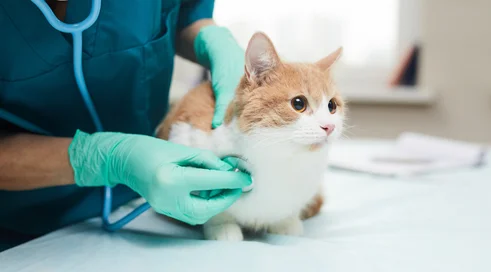
The US Food and Drug Administration has approved the use of the biological medicine frunevetmab to treat pain in cats suffering from osteoarthritis. It is the first of its kind to be approved by the FDA for use in an animal species.
FDA
First monoclonal antibody for cats

Published Jan. 20, 2022 13:21

Fot. Getty Images/iStockphoto
In osteoarthritis, the articular cartilage is damaged. Bones in a joint rub against each other, causing pain, reduced mobility, and over time, formation of bone spurs or other changes in and around the joint.
Frunevetmab is a cat-specific monoclonal antibody capable of recognizing and attaching to nerve growth factor (NGF) that is involved in the regulation of pain. When frunevetmab binds to NGF, it prevents the pain signal from reaching the brain.
The new drug will only be available with a prescription issued by a licensed veterinarian, as professional knowledge is required to properly diagnose osteoarthritis pain in cats, administer antibodies and monitor product use. The medicine is given by injection under the skin once a month and the dose is based on the animal's weight.
- The options for treating cats with osteoarthritis are very limited. Advances in modern veterinary medicine have contributed to the extension of the lives of many animals, including cats. But with longer life, chronic diseases such as osteoarthritis come along, said Dr. Steven M. Solomon, director of the FDA's Center for Veterinary Medicine. - The decision to register frunevetmab can bring relief to cats suffering from this disease and can significantly improve their quality of life.
The effectiveness of frunevetmab was assessed in two studies using three clinical evaluations that measured different aspects of pain associated with osteoarthritis in cats.
Both clinical trials were blinded, randomized, controlled studies in cats with evidence of osteoarthritis. Veterinarians assessed the cats on the basis of orthopedic examinations before and after treatment. Cat owners reported baseline scores for their cats' level of impairment when performing certain activities (such as jumping on furniture, using a litter box, washing themselves) compared to their feline fitness level prior to the onset of osteoarthritis. The owners then rated their cats' response to treatment. Overall, the treated cats scored better than the control cats.
The most common side effects observed in cats treated with a monoclonal antibody were vomiting, diarrhea, injection site pain, scabs on the head and neck, dermatitis and pruritus. These effects were relatively mild and did not require treatment discontinuation.
Source: FDA