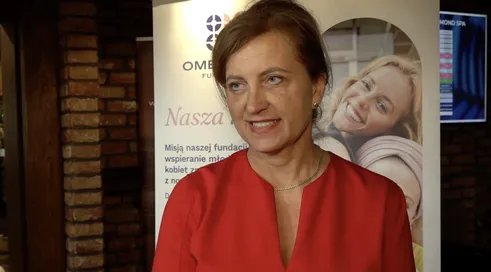
Modern therapies in hemophilia mean not only more effective prevention of bleeding, but also a real improvement in patients' quality of life. We talk about the possibilities of modern bleeding prevention and the need for access to various therapies with Professor Wojciech Mlynarski, president of the Polish Society of Pediatric Oncology and Hematology.
Hemophilia: new therapies are changing patients' lives

Published Oct. 3, 2025 07:01
Fot. Getty Images/iStockphoto
In July, as part of Medexpress.co.uk's Patient Week, we had the opportunity to hear from patients from the Sanguis Foundation representing hemophilia patients. The need to make subcutaneous prophylaxis of bleeding with emicizumab available to a wider group of patients - children and adults with severe hemophilia without the inhibitor - resounded in all the conversations. [According to the October reimbursement announcement, access to this drug was granted to children up to the age of 18. - editor's note]. According to the registration of this drug, can it be used in these patients without restrictions? What is the position of the Polish Society of Pediatric Oncology and Hematology on this issue?
The position is clear. First of all, I would not focus on emicizumab alone, but on therapy in general other than those used so far, that is, the use of prophylaxis with clotting factors of standard duration.
Some patients fortunately also already have another therapeutic option that is available in the world, which is subcutaneous treatment. Imagine that intravenous treatment is the supply of a drug 2-3 times a week, that is, an intravenous injection in a young child. The alternative to this is subcutaneous drug delivery, where the effectiveness of therapy is completely comparable, if not higher for subcutaneous drug in hemophilia A patients. For those patients with hemophilia A who can already benefit from subcutaneous therapy, that is the once-a-week supply or once every two or even four weeks of subcutaneous drug, rather than three times a week of intravenous drug.So what might be the society's position? The safety data that are available worldwide and also our, for the time being scanty Polish experience, indicate that this subcutaneous treatment is safe and, above all, effective and very friendly to children with hemophilia.
For patients with hemophilia A, this drug is registered as a prophylactic treatment, and this is how we would like it. At the moment in Poland, only patients with severe hemophilia A, as young children under the age of 2, and patients with obstructed venous access or other related complications, have the option of receiving therapy with a subcutaneous drug like emicizumab. We need this drug to be available to the entire pediatric population with hemophilia A, but this does not mean that every patient will benefit from this therapy. In addition, patients should have access to intravenous therapy with agents with an eminently prolonged duration of action.
I think we should leave these decisions about the choice of prophylactic therapy to parents, patients and attending physicians alike, so that different options are simply available. This vision of the possibility of subcutaneous treatment is the vision of the Polish Society of Pediatric Oncology and Hematology, which I represent.
How often can this drug be administered and, from a clinician's point of view, does the way this drug is administered also matter or not?
Of course it matters, first of all, looking at the comfort of the child's life, but also the effectiveness of bleeding prevention. Imagine, as I mentioned earlier, a prick three times a week and an intravenous supply of the agent compared to a supply of the drug once a week, once every two weeks or once every four weeks subcutaneously.
Attention used to be paid to this in the way hemophilia was treated, in order to bring the clotting factor to an appropriate level. Now, on the other hand, attention is being paid to ensure that the number of bleeds is reduced, so that the patient's life is also generally improved. In your opinion, Professor, is this the right direction?
Yes. For me, there are still two priorities in the treatment of children with hemophilia, the first one always raised is the effectiveness of treatment, i.e. no bleeding, and now the second priority, which appeared when subcutaneous drugs and clotting factors with an outstanding long duration of action administered intravenously were registered in the world - improving the quality of life of patients. Of course, it must be remembered that this subcutaneous treatment is not a cure for a child's hemophilia.
A child treated with a subcutaneous drug, this is a patient who will still have hemophilia and will still have some risk of bleeding that we will have to treat with intravenous agents. So that's what we have to keep in mind, and that's how we always talk to parents of children with hemophilia as well, that even if a child is treated prophylactically with subcutaneous treatment, that doesn't mean he's cured of hemophilia. He will continue to have some risk of bleeding, but these new therapeutic options reduce the risk of bleeding. That's our point. In fact, international hemophilia organizations recommend the availability of subcutaneous therapies, but also point out the need for the availability of drugs with a long half-life, those administered intravenously, because they can also correct the activity of the clotting system so that the risk of bleeding will be very very low.
All the world's professional hemophilia organizations point out that we need to think differently about treating patients with hemorrhagic diathesis. We don't treat them to turn the severe form of hemophilia into a moderate or mild form, but ultimately we are to get the patient to feel or be able to live as a person without the disease. This first step, a very important step, is precisely the subcutaneous treatment with emicizumab, with more therapeutic options ahead.
Professor, referring to what you said, the World Federation of Hemophilia, which is one of the largest organizations, has applied to the WHO for the inclusion of emicizumab in the list of essential medicines precisely because of its effectiveness, because of the improvement in the quality of life of patients [In September this year. The World Health Organization (WHO) published updated editions of the Essential Medicines List (EML) and the Essential Medicines List for Children (EMLc). Included on them is emicizumab, which was added as part of the revised hemophilia section - editor's note].. In your opinion, what would be the significance for patients of including this drug on this list?
I think the introduction of the drug emicizumab will certainly improve access to effective, safe and patient-friendly therapy in hemophilia A.