The new data, obtained during four years of follow-up, confirm the long-term effectiveness of the of the oral drug (risdiplam) in treating children with the most severe form of spinal muscular atrophy (SMA type 1). That's the data from the FIREFISH clinical trial, which was presented at this year's Cure SMA Congress, held in early July in Orlando, USA. One of the presented patients participating in this study was 5-year-old Zosia from Poland.
How did four years of oral treatment affect the health of children with the most severe type of SMA: results from the FIREFISH clinical trial

Published Oct. 4, 2023 13:34
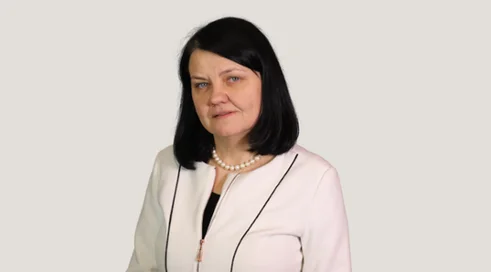
The FIREFISH clinical trial was a so-called registration study, which means that based on the positive results obtained in it, the European Medicines Agency (EMA) approved the oral drug risdiplam for the treatment of spinal muscular atrophy. Eligible to participate in this study were infants who were between 1 and 7 months of age at the time of inclusion in the clinical trial. All of these children were diagnosed - using genetic testing - with SMA type 1, the most severe form of spinal muscular atrophy. "The process of death of motoneurons is rapid in SMA 1 patients and begins either right after birth or even prenatally. Therefore, children with type 1 SMA manifest symptoms of the disease as early as the first six months of life. Historically, in the natural course of the disease, that is, without the administration of treatment, these children never sat up independently, 90% of them required ventilator support and nutritional support before the age of 1, and many of them died within the first two years of life due to severe respiratory muscle weakness and complications from severe lung infections. SMA was until recently the most common cause of infant death.The fact that we can now treat spinal muscular atrophy and stop the progression of the disease is a great breakthrough and something that makes us very optimistic," says Prof. Maria Mazurkiewicz-Bełdzińska, MD, from the Department of Developmental Neurology at the Medical University of Gdansk, president of the Polish Society of Child Neurologists.
Improve motor and pad functions
The FIREFISH study was a single-arm study, which meant that all participating infants received treatment with risdiplam. The drug's effectiveness was measured by several parameters, including the percentage of infants who were able to sit independently without support. The ability to sit independently is an extremely important milestone in the motor development of children previously unattainable for this group of patients. It turned out that after 24 months of taking risdiplam, 53% of patients achieved it, and after another 2 years, 57% of children did. This would never have happened in the natural course of the disease, without treatment. In addition, after 48 months of receiving risdiplam, 67% of the children were able to control and hold their heads (after 24 months the percentage was 64%), 16% of the children were able to stand with support (after 24 months it was 12%), and 12% even achieved the ability to walk with support, which is quite unusual for children with SMA type 1 (after 24 months 2% of the children participating in the FIREFISH study had this ability).
"A four-year follow-up showed the efficacy of risdiplam not only on motor functions, but also on the so-called "pad functions. Pad functions are those for which the medulla oblongata and the pad nerves diverging from it are responsible. They include breathing, swallowing or speaking. As the results of the FIREFISH clinical trial show, after 4 years of treatment with risdiplam, 96% of children with SMA type 1 maintained the ability to swallow on their own. This would not have been possible in the natural course of this disease. Better control of palpebral function (i.e., swallowing) means greater safety when taking in liquids or food. As many as 92% of children participating in the FIREFISH study were on oral nutrition after four years, and 84% were on oral nutrition alone." - emphasizes Prof. Maria Mazurkiewicz Beldzinska, MD.
Proven safety
Another important parameter assessed in the FIREFISH study was the number of hospitalizations. In the natural course of SMA1, severe infections, including pneumonia, are common, and children spend a great deal of time in the hospital. The number of hospitalizations in untreated children with SMA 1 is 4-8 per year. The FIREFISH study showed that with risdiplam treatment, the number of hospitalizations drops about twofold - from 1.24 patient-years in the 12th month of oral therapy to 0.63 patient-years in the 48th month of treatment.
During the four years of the FIREFISH risdiplam clinical trial, there were no treatment-related adverse events that led to treatment discontinuation or withdrawal. Remarkably, the incidence of adverse events decreased by 71% when the period of the first 12 months of treatment was compared with the period between the 36th and 48th months of treatment.
A chance for self-reliance
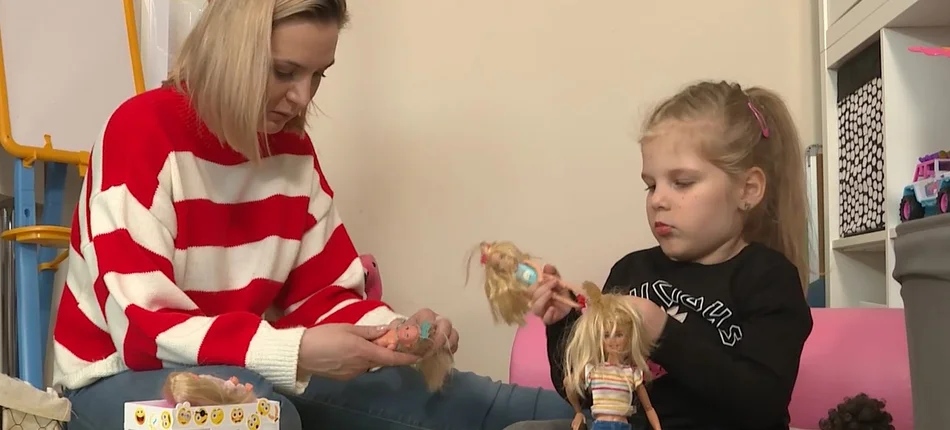
One of the children who participated in the FIREFISH clinical trial is Zosia from Poland. As an infant, Zosia was very limp, did not control her head, did not move her legs, and her hand movements were very limited. She qualified for a clinical trial and treatment with risdiplam when she was four months old. Today Zosia at five years old and is able to sit up on her own, quaddle, stand in orthoses, take independent steps and even dance! She is a happy, playful preschooler.
"We are sure that without treatment Zosia would not be here today. The treatment saved her life, improved the comfort of her life and gave her a great chance for independence," stresses Kinga Malicha, Zosia's mother.
"I remember vividly the day when Zosia's dad showed up with me and categorically stated that his daughter had to be treated. Fortunately, the patient met all the required eligibility criteria and indicators for the clinical trial and was able to start receiving treatment, which is only burdened with and only success. Zosia is improving very strongly in her motor development, so the prognosis for her independence and independent living is very favorable" - states Prof. Dr. Maria Mazurkiewicz-Bełdzinska.
Treatment also effective in adult patients
Treatment with risdiplam has been reimbursed since last September under the expanded comprehensive drug program for patients with spinal muscular atrophy (B.102.FM). Patients with documented contraindications to intrathecal administration of the drug - both children and adults - are eligible for this therapy.
"All three currently registered therapies for modifying the course of SMA are available in the drug program. On top of that, we have a screening program in Poland to pick up the disease in the youngest children, right after birth. Gene therapy is most commonly used in these patients. But we have a large group of people in Poland with SMA who have had the disease for some time, including adults with various forms of SMA, including less aggressive ones. Intrathecal treatment and oral treatment are designed for these patients. Intrathecal administration of the drug, via lumbar puncture, is very often a big problem, however, because many adult patients have huge spinal deformities, making it very difficult or even impossible to perform the puncture. The solution for these patients is treatment with an oral drug. Thanks to the fact that we now have the option of oral therapy, the spectrum of SMA patients who can be successfully and effectively treated has expanded greatly. This treatment can stabilize symptoms and stop the progression of the disease. Our clinical practice shows that oral therapy is well tolerated by patients." - emphasizes Prof. Jaroslaw Slawek, MD, head of the Neurology and Stroke Unit at St. Adalbert's Hospital in Gdansk, Medical University of Gdansk.
Source: press mat.