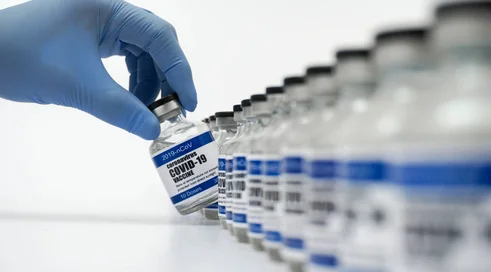
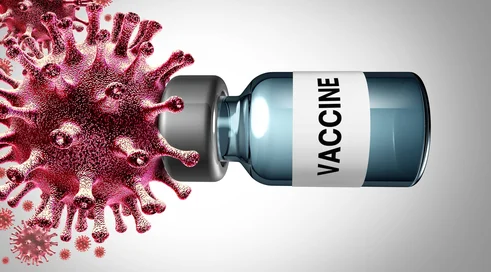
The US Food and Drug Administration (FDA) has approved a 15-valent pneumococcal conjugate vaccine for the prevention of invasive pneumococcal disease in infants and children.
New vaccine against invasive pneumococcal disease

Published June 27, 2022 13:04

Fot. Getty Images/iStockphoto
MSD's newly approved vaccine is the first pneumococcal conjugate vaccine approved in almost a decade.
Clinical data on which the approval decision is based demonstrated an equivalent immune response for all serotypes common to the 13-valent (PCV13) vaccine after a four-dose series and better responses against the important serotype 3 and the unique 22F and 33F serotypes compared to from PCV13.
The new vaccine is currently indicated for active immunization to prevent invasive disease caused by Streptococcus pneumoniae - serotypes 1, 3, 4, 5, 6A, 6B, 7F, 9V, 14, 18C, 19A, 19F, 22F, 23F and 33F in people from 6 weeks of age.
- Despite the decline in the incidence of invasive pneumococcal disease in children, some key serotypes continue to cause serious illness that can lead to death in children under 5 years of age, with serotypes 3, 22F and 33F accounting for over a quarter of all invasive pneumococci - said Dr. Steven Shapiro, one of the scientists who led the PNEU-PED study.
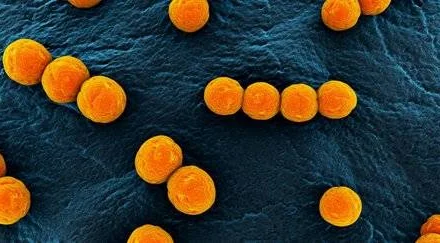
Invasive pneumococcal disease (IPD) is an infection caused by the bacteria Streptococcus pneumoniae . While there are around 100 different S. pneumoniae , only a minority of them cause IPD in children. Serotypes 3, 22F, and 33F are three of the five main types that cause IPD in children.
IPD can be very severe and lead to hospitalization or even death. Some forms of IPD (sepsis and meningitis) can have permanent neurological sequelae. Children under the age of 2 are particularly at risk of IPD.
FDA approval of the new vaccine was based on data from seven randomized, double-blinded clinical trials assessing the safety, tolerability and immunogenicity of the formulation in infants, children and adolescents.
Clinical data from the pivotal study showed that the immune responses in children elicited by the new vaccine after the 4-dose administration were not inferior (for 13 common serotypes) to those obtained with the currently available 13-valent conjugate vaccine.
Data from the clinical program also support the use of the new vaccine simultaneously with other commonly administered routine pediatric vaccines and in a variety of clinical situations, such as interchangeability after the initiation of PCV13 infant immunization regimen or in the booster immunization of older unvaccinated children against pneumococci or who have previously received an incomplete lot with another other preparation.
In addition, data support the use of the new vaccine in special populations such as premature babies and children living with HIV or sickle cell disease.
press info