From November 1, 2022, a new drug program B.138.FM is in force, addressed to the treatment of people with the spectrum of optic neuritis and spinal cord inflammation (NMOSD). As part of it, patients are to receive a modern drug from the class of monoclonal antibodies - satralizumab. However, despite the fact that two months have passed since the publication of the November list of reimbursed drugs, the drug is still not available to patients who, due to the aggressive course of the disease, need it immediately. Tomasz Połeć, chairman of the Polish Multiple Sclerosis Society, talks about the urgent need to ensure real access to this therapy.
NMOSD patients are waiting for real access to reimbursed treatment

Published Dec. 19, 2022 10:59
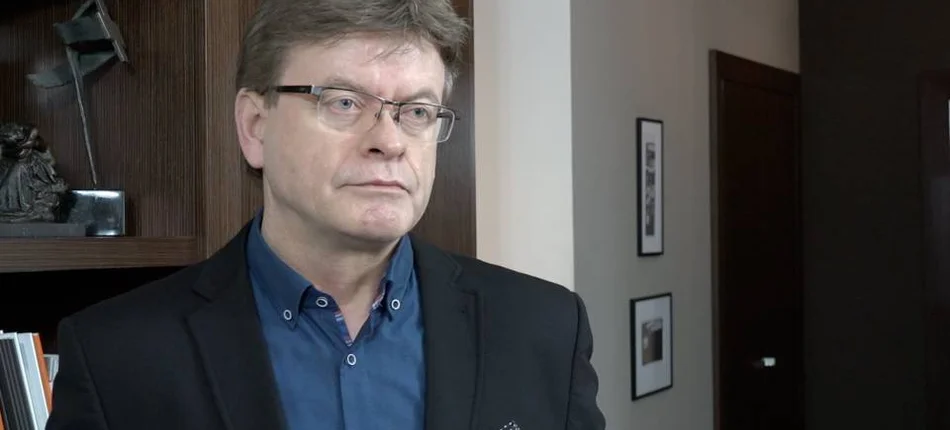
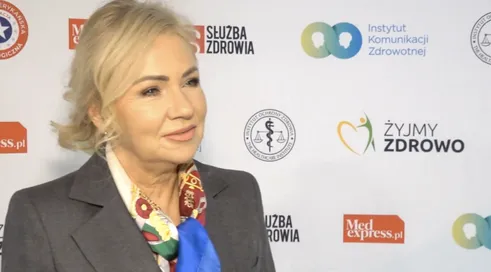
Fot. MedExpress TV
The Polish Society of Multiple Sclerosis also associates and represents people with NMOSD. Why?
Optic neuritis and spinal cord inflammation spectrum (NMOSD), also known as Devic's disease or syndrome, is a rare autoimmune disease of the nervous system that resembles multiple sclerosis. Like MS, it has periods of relapses and remissions, produces quite similar symptoms, and if left untreated, it quickly leads to irreversible disability. Some time ago, NMOSD was considered a type of multiple sclerosis - today we know that it is a separate disease
with a different mechanism of formation, and thus also requiring a different treatment. Nevertheless - due to the significant similarities to MS and the fact that there is no patient organization dedicated exclusively to this disease - patients with NMOSD are looked after by our Society.
The November list of reimbursed drugs brought very good news for
patients
with NMOSD, namely the creation of a new drug program financed from the Medical Fund B.138.FM and reimbursement of an effective, causative drug - satralizumab.
That's true. We were very pleased with the decision of the Ministry of Health, because it gives patients with NMOSD hope to start effective treatment that will stop the development of this often dramatically progressing disease. However, the road from the publication of the reimbursement list to the actual possibility of starting therapy can be long, too long for patients. Therefore, the most important thing now is to ensure real access to this treatment for patients as soon as possible. We were waiting for the publication of the order of the President of the National Health Fund, which unfortunately was delayed a bit and took place only on December 5. Currently, the contracting process between local branches of the National Health Fund and treatment centers has begun and we really hope that it will run smoothly and end quickly, because only then will patients be able to receive the drug. And let's remember that in the case of NMOSD, each week or even a day of delay in starting therapy is associated with the risk of relapse of the disease, which in turn can have serious consequences - including complete blindness, mobility disability, and even death. NMOSD is an aggressive disease and relapses are severe and frequent. Rapid completion of contracting is particularly important for NMOSD patients who have previously received satralizumab through a clinical trial, early access program or RDTL. Including the drug in the reimbursement system closes the possibility of financing the therapy from other sources. We are concerned that treatment for these people may be interrupted if contracting continues. We believe that this will not happen and all patients who need treatment with satralizumab and meet the conditions of eligibility for the drug program will receive this treatment soon.
It is worth emphasizing that Poland is one of the first countries in Europe which, thanks to the November reimbursement decision, gives NMOSD patients broad access to this innovative therapy. May the administrative decision become a reality as soon as possible.