In Subcarpathia, sanepid has recorded more than ten cases of measles, and an epidemiological investigation is underway. We should not be surprised, because the level of immunization against the disease is far from the recommended 95 percent.
OECD: Poland has a child vaccination problem

Published Nov. 28, 2025 07:16

Fot. Getty Images/iStockphoto
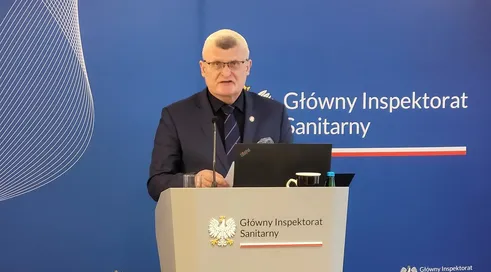
Chief Sanitary Inspector Dr. Pawel Grzesiowski has repeatedly stressed in recent months that Poland has a very good record of mandatory vaccination of children, pointing out that only a small percentage of parents do not fulfill their obligation to vaccinate. However, the figures of more than 90 percent vaccination rates refer to the first doses of vaccines. The latest OECD report shows that we have a serious problem with full immunization against measles, considered the most contagious disease.
"Health at a Glance 2025" takes a look at the second dose of measles vaccine - here the WHO recommendation is the most restrictive, 95 percent of the child population should receive the vaccination - and the third dose against pertussis (90 percent). Poland, like most OECD countries, has no problem achieving immunization levels against pertussis - we exceed the minimum threshold by a good few percent.
However, in the case of measles, the situation is quite different. The vaccination rate in Poland is 82 percent, and the rate of decline should be of particular concern, as just seven years ago it was 93 percent. - Compared to pre-pandemic levels in 2019, measles vaccination rates in OECD countries have fallen by an average of almost 2 percentage points. The decline was particularly significant in Chile (-18 p.p.), Estonia and Costa Rica (-15 p.p.), as well as in Poland, Lithuania, the Netherlands, Canada and (...) Argentina and Romania, where declines were 8 p.p. or more, the report said.
The OECD average is 89 percent, with only a few countries (Hungary, Iceland, South Korea, Portugal, Japan) reaching the 95 percent level. Close to the target are the US and Norway. At the other end of the ranking is Argentina (46 percent) but also Romania (slightly above 60 percent).
Measles vaccination is a victim of accusations that the MMR vaccine is linked to autism - although the theory has been debunked, it is still being replicated by anti-vaccine movements. The authors of the OECD report emphasize that a large role in the decline in the vaccination rate of children is played by the decline in confidence in vaccination that we observed after the COVID-19 pandemic. However, it seems that in the case of Poland, the issue of supervision of the implementation of the obligation to vaccinate also comes into play, especially after the child reaches the age of one, when there is a decline in reporting to check-ups and balance visits, on the occasion of which the obligation to vaccinate is most often implemented.
Topics
szczepienia obowiązkowe / odra / GIS / epidemiologia / immunizacja / szczepienia / antyszczepionkowy / wyszczepialność / Paweł Grzesiowski / choroby zakaźne / WHO