Type 1 diabetes patients over the age of 26 lose their right to reimbursement for insulin pumps and continuous glycemic monitoring (CGM) systems. This means that patients have to cover the full cost of therapy, which for many is a financial barrier preventing the continued use of these modern treatments. In response to the Ombudsman's intervention, the Health Ministry said what plans it has to expand the group of those eligible for reimbursement.
Patients over 26 without reimbursement. RPO asks about changes, ministry responds

Published April 3, 2025 12:13
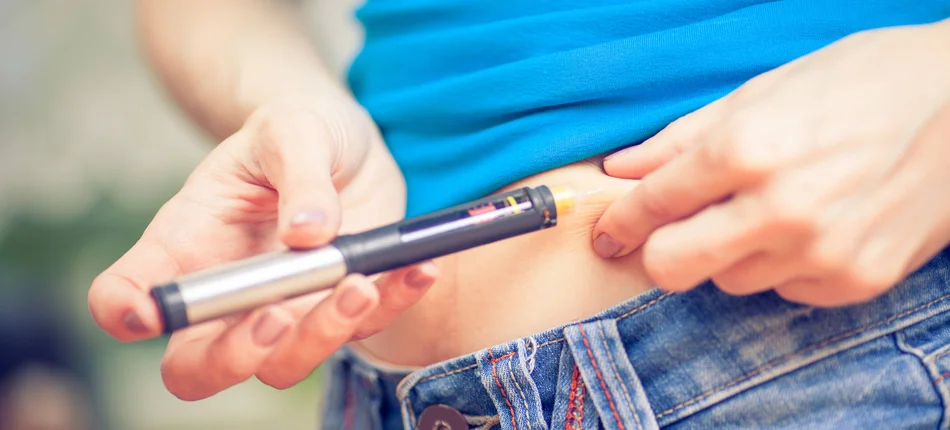
Fot. Getty Images/iStockphoto
Reimbursement only until age 26 - what's next?
Currently in Poland, reimbursement of insulin pumps is covered for children and young adults up to the age of 26. After that age, patients have to bear the full cost of purchasing the pump, which can reach tens of thousands of zlotys. For many patients, this means giving up this method of treatment and returning to multiple insulin injections, which in their case can lead to worsening diabetes control and an increased risk of complications.
A similar situation applies to continuous glycemic monitoring (CGM) systems. Although reimbursement has been extended to certain groups of adult patients with type 1 and type 3 diabetes, strict criteria still apply that exclude many patients from this support.
Ombudsman Marcin Wiącek asked Health Minister Izabela Leszczyny about the possibility of legislative changes in this regard. In response, Deputy Health Minister Marek Kos stressed that the ministry has no plans to expand reimbursement for people over the age of 26.
- The decision was made after careful analysis, in the absence of scientific evidence of superior efficacy and safety of treatment with insulin pumps, the Health Ministry said. The ministry noted that studies show comparable effectiveness of insulin pumps and insulin therapy by multiple injections.
The Ministry also argues that the reimbursement of pumps for younger patients is due to the fact that people under 26 are often dependent on their parents and do not have the ability to finance therapy on their own. Patients and their relatives point out that diabetes does not end with the 26th birthday, and the need for modern tools to control the disease remains constant.
Patients feel left out
The lack of reimbursement for people over the age of 26 has raised objections from the patient and diabetes communities. Patients stress that modern technologies, such as insulin pumps and CGM systems, allow better control of diabetes, reduce the risk of dangerous complications and improve quality of life. Introducing reimbursement for this age group could help reduce the cost of treating diabetic complications in the future.
Despite patient appeals and the intervention of the RPO, the Health Ministry remains of the opinion that the current solutions are sufficient. The ministry notes, however, that if new scientific evidence emerges confirming the superior effectiveness of insulin pumps compared to traditional insulin therapy, the issue of reimbursement may be revisited.
At this point, adult patients with type 1 diabetes who want to use insulin pumps and CGM systems must prepare for high expenses or look for alternatives.
Source: RPO