Poland reports very well on HPV prevention, we have modern secondary prevention and a good vaccination program. The problem is low enrollment in preventive examinations and a low percentage of vaccinated children and adolescents, according to a report presented to the Senate on Monday.
Poland with good news, but poor vaccinations. Report shows where we are losing points

Published Nov. 25, 2025 11:52
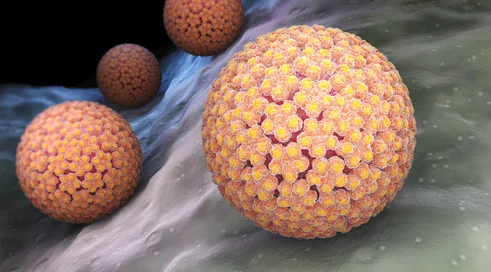
Fot. Getty Images/iStockphoto
The Atlas of HPV Infection Prevention in Europe 2025 assesses how 48 European countries have policies to prevent HPV infections. The world premiere of the report just took place at a conference co-organized by the chairwoman of the Senate Health Committee, Beata Malecka-Libera.
In the ranking, we are in the group of countries rated average. Poland's score of just under 82 percent (this is the overall score from the three components: vaccination, secondary prevention, information) places us closer to the group rated rather poorly (below 80 percent) than those with a strong good rating (above 85 percent). Poland's score is particularly weighed down by the low percentage of vaccinated - as we received less than 68 percent for the vaccination area.
Sweden and Portugal top the ranking, with Denmark and Norway also having excellent results. The results of the "Atlas" show that Europe, in terms of HPV prevention, is divided between the West (generally doing very well, even if there are problems) and the East (generally rather not doing so). It can be raised to symbolic status that one of the leaders is Portugal (95.9 percent), the westernmost country behind our continent, on the opposite side - Azerbaijan, which closes the stakes with a score of just over 12 percent. From the former Eastern Bloc countries, the Czech Republic, Slovenia and Estonia advanced to the group of countries with a score above 85 percent. And only three countries (including Poland) fall into the group rated average - in addition to us, Lithuania and Latvia.
- The HPV vaccine for human papillomavirus has been implemented in Poland from the state budget since 2023 (...) We have, in fact, reached 50 percent of the intended target, so in order to achieve the National Oncology Strategy - which stipulated that we vaccinate 60 percent of the population by 2028 - we have a lot of work to do," Beata Małecka-Libera said. But in terms of vaccination, we are not even halfway to the modest target, much lower than the WHO recommends. Chief Sanitary Inspector Dr. Pawel Grzesiowski said that only one yearbook (2011) managed to achieve 35 percent vaccination rates. In the group of adolescents who can benefit from vaccination (not only in the budget-funded program, but also under pharmacy reimbursement, one of the vaccines is available free of charge under the children's list), the vaccination rate is 16 percent.
The GIS admitted that without changing the status of HPV vaccination from recommended to mandatory, it will be rather impossible to raise the percentage of vaccinated people, because 35 percent seems like a glass ceiling with today's regulations. On the other hand - mandatory vaccinations, in his estimation, will give a vaccination rate of about 90 percent and Poland cannot afford not to protect its citizens from the cancers the virus causes.