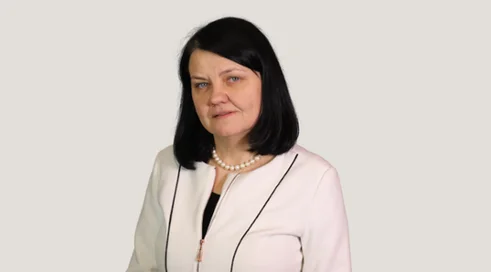
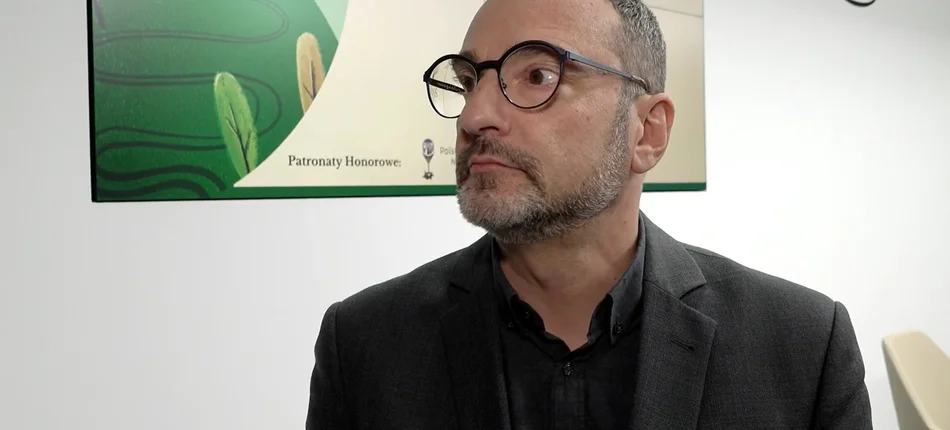
An interview with Prof. Marcin Czech of the Mother and Child Institute, president of the Polish Pharmacoeconomic Society.
Prof. Marcin Czech: Today, life for SMA patients is already much easier

Published Dec. 11, 2023 08:00
Five years ago, as then Deputy Minister of Health, you made a very important and also very courageous reimbursement decision. It concerned the funding of the first drug in SMA, nusinersen. What influenced such a quick reimbursement decision? How do you assess this decision in retrospect?
It is much easier to evaluate it from today's point of view. At the time, it was a difficult decision. It concerned the most expensive drug in the world. The question of how the population should be narrowed down had to be answered. We did this in almost all drug programs. Here we decided not to do it. In retrospect, I think it was the most correct decision. It was a small snowball that made a snowball at the moment. Today, patients' lives are much easier than when they were doomed to worsening disease. We had the prospect of effective treatment and some mechanisms of a mature reimbursement system that secured the state budget. There was goodwill on all sides, not only from policy makers, but also from clinicians, who helped us a lot in this decision.
And at the time, did you expect that these treatment results observed over several years would turn out to be better even than what was shown in clinical trials?
I totally didn't expect this. I tell my students that these directed, pampered, adjusted conditions of clinical trials produce better results than what we get from real life. This is because the most relevant populations participate in the studies, and in real practice, patients suffer from multi-disease, non-adherence and so on. Studies from real practice are simply less likely to show effectiveness. In contrast, here the complete opposite has happened. I am surprised by this, but I am also very happy about it. Most likely, such a factor is that we unheardily recognize the disease early on, so we don't let defective genes wreak havoc and mimic healthy expression, so to speak.
Now let's talk like a journalist with a pharmacoeconomist, because on the one hand we have a drug, as you yourself mentioned, very expensive, the most expensive then in the world. On the other hand, however, we have people who have a chance to live a normal life and not be excluded from professional life. So somehow I guess it balances out after all?
We don't introduce a therapy just to make it balance. Not every therapy we use is a cost-saving treatment. Quite frankly, it's rare that we have a therapy where introducing it reduces costs enough, elsewhere, even with indirect costs, to be able to say that it just pays us off.
One can look at it differently. We are the 20th economy in the world. We live in Europe. We save the lives and health of people in rare diseases, of which SMA is one. We have slightly different rules for saving these lives, because we are moving away from the threshold of cost-effectiveness, the cut-off point where we say the therapy is not cost-effective. Here we are dealing with a highly effective therapy that greatly improves quality of life. Anyway, this applies to all three therapies that are used in SMA. We are saving the lives and health of these people. We are returning them to society. We improve the quality of that life. We're reducing indirect costs, we're reducing hospitalizations, and even if it doesn't balance, under the conditions we have, we should make that decision. As a formacoeconomist, I do not regret it.
Because this decision simply balances out socially.
We can say this, it balances socially. Indeed, where pharmacoeconomists have tried to go only the economic track, society has corrected them.
The decision taken five years ago also opened the way for certain measures, such as screening, a pillar of the system that is the envy of Europe. Was this the success you expected?
If we have a diagnostic method that leads to a diagnosis, and we have no treatment to offer, then some people think that this is an unethical action. When we began to have a therapeutic option that was effective and safe for patients, and we knew that the earlier we diagnosed the disease, the better the chances of achieving therapeutic success, we set ourselves the task of diagnosing these patients as soon as possible. If we started finding them in a symptomatic state, it would be too late. It would automatically lead us to screening. It was a surprise to me that this screening was triggered in Poland so quickly, but the patient organization that has been pushing for it is incredibly effective in achieving the goals it sets for itself.