Drugs for obesity are not reimbursed because regulations do not allow funding for therapies that can be substituted by lifestyle changes, Deputy Minister Katarzyna Kęcka said at Wednesday's meeting of the Health Committee. - Obesity is a biological disease, experts remind.
Dispute over reimbursement of obesity drugs

Published Feb. 26, 2026 11:29
Fot. iStock/Getty Images
The Sejm's Health Committee on Wednesday dealt with information from the Health Ministry on the prevention, diagnosis and treatment of obesity in Poland. One of the issues discussed was the reimbursement of drugs for obesity, or rather the lack of such reimbursement. The issue is regularly raised both at health conferences, and questions are also raised by parliamentarians.
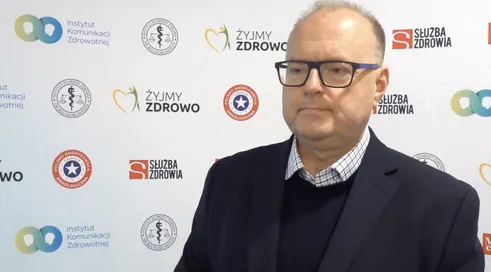
Deputy Health Minister Katarzyna Kęcka said that the lack of reimbursement for obesity drugs is due to regulations. - Reimbursement cannot cover therapies that can be substituted by lifestyle changes, she said, adding that pharmacotherapy is part of obesity treatment, but will not produce long-term results without dietary, psychological, medical and rehabilitation care. She added that the use of drugs alone would not be a rational use of public funds.
In the second half of last year, applications were received for reimbursement of two active substances used to treat obesity. She added that the administrative proceedings are at an early stage and it is not possible to make public details.
Surgeon and bariatric surgeon Prof. Mariusz Wylezol emphasized that obesity is a biological disease, for which there is scientific evidence. In obese patients, ghrelin - the hormone responsible for the feeling of hunger - is secreted in excess, and the GLP-1 hormone responsible for the feeling of satiety after eating is not secreted.
The specialist pointed out that since the National Health Fund does not fund diseases resulting from lifestyle, one should consider whether it should reimburse treatment of lung cancer patients who smoke cigarettes, emergency admissions of people with head injuries who drank alcohol moments earlier, or pancreatic cancer treatment of people who have abused alcohol for two or three decades. According to Boleslaw Piecha (Law and Justice), the decision not to reimburse obesity drugs is a direct result of the state of the NFZ's finances.
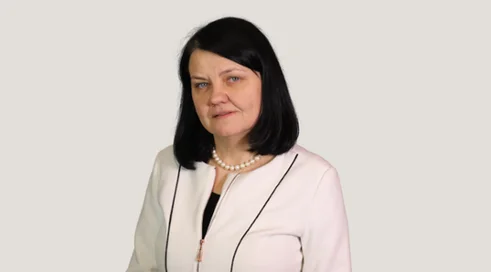
President of the Obesity Treatment Foundation Ewa Godlewska pointed out the need to develop a treatment pathway for adults and children suffering from obesity, because KOS-BAR, which came into existence as a pilot (all the time it is not in the basket of guaranteed benefits) covers only those suffering from giant obesity treated surgically. - Patients with less severe disease expect multispecialty care at the outpatient level, she added.
32 percent of children between the ages of seven and nine are overweight. 64 percent of men and 48 percent of women have a BMI above 25 (the lower limit of the index indicating overweight), and 15 percent of men and 13 percent of women are obese.
Topics
terapia otyłości / otyłość dziecięca / leki na otyłość / refundacja leków / Katarzyna Kęcka / farmakoterapia / styl życia / Otyłość