People struggling with allopecia experience stigma and have huge problems with self-acceptance. This is all the more dangerous because the onset of the disease most often occurs during puberty, when not only the body matures, but also the psyche of a young person is formed. Medical advances have brought effective therapies that can effectively help patients.
The last two years have been a breakthrough in the treatment of alopecia areata

Published Dec. 20, 2023 19:55
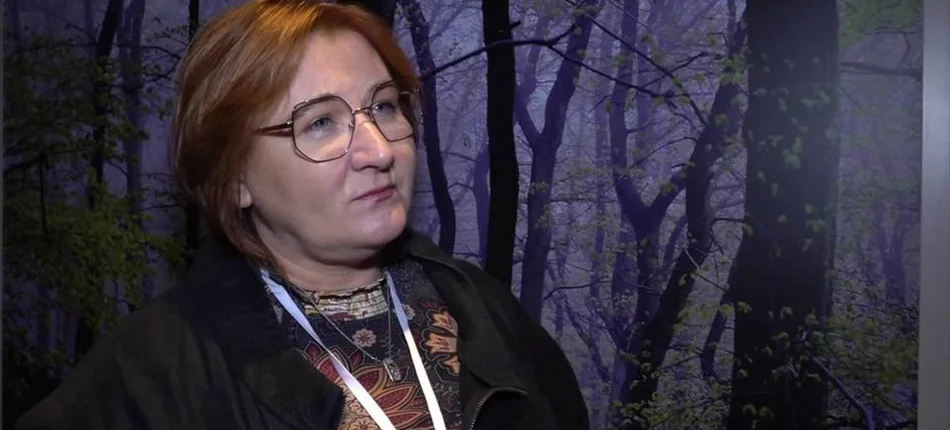
prof. Joanna Narbutt
Alopecia, or alopecia areata, is a chronic inflammatory disease that progresses with damage to hair follicles. The pathogenesis of this disease is not well understood, but it is known that an emotional factor significantly affects the course of the disease.
- Everyone agrees that very often the cause of the onset of the disease is severe stress. It is often a change of school or the death of a loved one. Sometimes the disease can be triggered by infections, especially viral infections, or coexist with other autoimmune diseases, explains Dr. Joanna Narbutt of the Department of Pediatric Dermatology and Oncology at the Medical University of Lodz.
- Alopecia areata occurs in various clinical forms. The most common are balding foci of 2-5 cm in size. More aggressive forms involve the loss of all hair in the scalp in a short period of time, including eyebrows, eyelashes, and sometimes other areas, such as armpits or pubic hair, are bald," adds Dr. Joanna Narbutt.
Alopecia areata occurs regardless of gender and can affect people of any age, but in many patients the disease first makes itself known during puberty. These people are also the ones who cope the worst psychologically with the situation. Often there is a social phobia, especially since hiding the symptoms of the disease from peers is simply impossible. Also, mature people affected by the disease often complain of lowered mood, insomnia and even depression. A large proportion of people report suicidal thoughts in their history.
Both the physical course of the disease and its implications for the mental state mean that help from a dermatologist should be sought as soon as possible.
- In any disease, it is the case that the earlier the treatment is undertaken, the greater the chance of a clinical outcome at a stage when the hair follicles are not yet completely destroyed, and it is easier to rebuild them. It used to be said that single outbreaks usually regrow within two years. If we take treatment, we often manage to get regrowth in a relatively short time. This does not change the fact that once another stress factor is acted upon, such a disease can recur," admits the dermatologist.
Meanwhile, there are several options available in the palette of therapeutic options for treating plaque. For mild disease, topical irritants and glucocorticosteroids are used. Effective treatment has also recently been possible for acute onset.
- The last two years have been a breakthrough in the treatment of alopecia areata. We already have two drugs from the Janus kinase inhibitor group registered and available for the treatment of severe forms on the European and Polish markets. The clinical effects, compared to other drugs we have used so far, are very promising," assesses Dr. Joanna Narbutt.
Unfortunately, such treatment is not yet reimbursed in Poland. Medications can be prescribed by the treating physician, but the patient must cover the cost out of pocket. Dermatologists emphasize that access to all treatment options for alopecia areata is the expectation of both clinicians and, in fact, primarily patients.