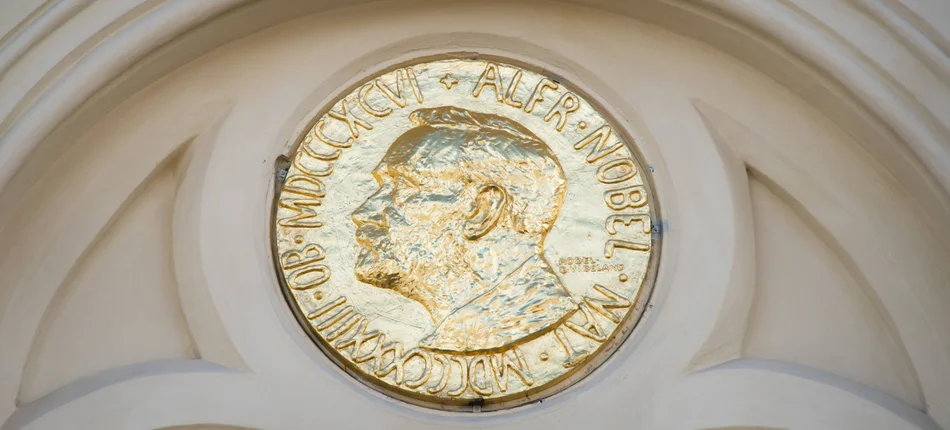
Katalin Karikó and Drew Weissman have been awarded the Nobel Prize in Physiology or Medicine. The research they conducted contributed to the development of the first mRNA vaccines to combat Covid-19.
Nobel Prize 2023 for Katalin Kariko and Drew Weissman

Published Oct. 2, 2023 11:52
Fot. Getty Images/iStockphoto
As Rickard Sandberg of Karolinska Institutet explained, the researchers had long been interested in using mRNA for clinical applications. The award-winning scientists worked together, and published their discovery 15 years before the outbreak of the Covid-19 pandemic. It was thanks to their achievements that the first two mRNA vaccines against the SARS-CoV-2 coronavirus were developed in record time. Today, the technology is still being developed and could be used to develop more vaccines. It is also being considered as a possible option in the fight against cancer.
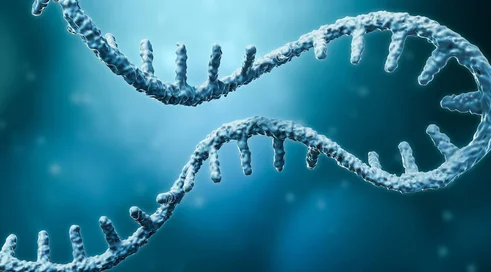
- We only administered a relatively short mRNA molecule as a vaccine. The whole problem was to make it a stable molecule. Based on mRNA, which is naturally quite unstable, it would be difficult to produce enough protein to trigger immune action in the body. This Nobel Prize is, among other things, precisely for the fact that we managed to stabilize these molecules, administer them to the body and they trigger a response that allows us to become immune to a virus, in the future perhaps a bacterium. The mechanism in the future may also have applications in the treatment of cancer," explained Prof. Katarzyna Tońska of the Institute of Genetics and Biotechnology of the Faculty of Biology at the University of Warsaw.
Importantly, the mechanism discovered by the award-winning scientists has not only allowed the rapid development of the first vaccines against Covid-19, but also works well in responding quickly to the emergence of further mutations of the virus.