The first Polish Congress of Neurology and Psychiatry, organized by Prof. Agnieszka Slowik and Prof. Piotr Galecki, is behind us.
Neurologists and psychiatrists exchanged experiences

Published April 14, 2023 09:32
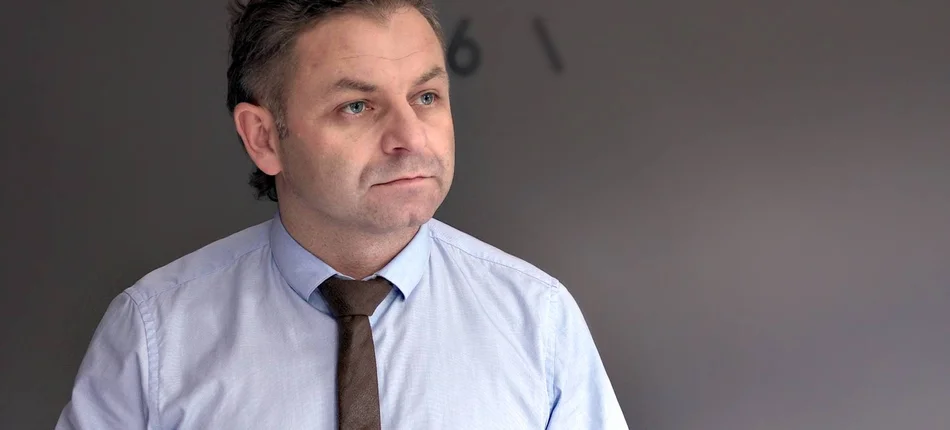
Fot. MedExpress TV
- The idea of holding a joint meeting of neurologists and psychiatrists arose because very many disease entities require interdisciplinary diagnosis and therapeutic work. Mental and neurological disorders in certain groups of patients are even inseparable," Prof. Galecki, national consultant in psychiatry, told Medexpress. Well-known examples of such disease entities are dementia, epilepsy or multiple sclerosis. Those suffering from them will always (at the beginning, during or at the end of their illness) go to a neurologist and to a psychiatrist.
Professor Galecki also emphasized the role of communication in the media. - If there is a high prevalence of certain disease entities such as dementias, anxiety disorders, depressive disorders, they become a social phenomenon. Various opinions emerge, which can affect the stigmatization of certain phenomena and people suffering from these diseases. Hence the great role of journalists and the media informing and educating the public about these disease entities, thus contributing to the destigmatization of psychiatric conditions.
Human resources in psychiatry and neurology
Psychiatry, unlike neurology, is currently in high demand among young doctors as a specialty, ranking among the three most popular - along with radiology and cardiology.
- We have a summary that shows the renewability of cadres in those specialties that are "getting younger." In neurology, unfortunately, this is not the case. The president-elect of the Polish Neurological Society spoke about the fact that only half of the residency spots in neurology are used for specialty admissions, reports Prof. Galecki.
Drug-resistant depression
One of the topics discussed at the congress was drug-resistant depression. - In both specialties, we have access to many new molecules. In psychiatry, there is a new molecule - esketamine. This is a drug designed to treat drug-resistant depression, which is currently in the reimbursement process," says Prof. Galecki.
About 1.5 million people suffer from depression in Poland. More than 80% of cases are people aged 30-59. Twice as many women as men suffer from the disease. Depression is a serious health and social problem. As Prof. Galecki points out, drug-resistant depression affects about 25 percent of patients who have a current depressive episode of moderate or severe severity, so with the prevalence of depressive disorders, this is quite a large number.
We define drug-resistant depression as a depressive episode that has not responded to treatment with two therapeutic regimens over a sufficiently long period of time and the patient has moderate to severe depression.
- This group of patients is difficult because third, fourth and subsequent treatments have very little therapeutic positive effect. These patients are more likely to commit suicide, are hospitalized more often and stay longer on sick leave or even on disability pensions, says the national consultant in psychiatry.
Esketamine administered intranasally has had positive effects in treating just drug-resistant depression and has a success rate of more than 30 percent in these patients. - It is a molecule that acts almost immediately, as improvements in mental health occur within two days. The important thing is that remission persists even for more than 30 weeks," adds Prof. Galecki.
Esketamine works by a completely different mechanism than classic antidepressants (via the glutamatergic system). This system affects the formation of new synapses and the modulation of synapses in those brain regions that are responsible for the regulation of mood, emotions and cognitive processes, which is a bit of a paradigm shift if we talk about depression. Such a paradigm shift is also justified by imaging and functional findings in the brain.
Inadequate treatment of drug-resistant depression generates significant health, social and economic consequences, which can be prevented by developing a model of care for patients with drug-resistant depression based on current medical knowledge.
Psychiatry - challenges
- We are also in the process of establishing mental health centers all the time," says Prof. Galecki. A decree of the Minister of Health gives the possibility to increase their number by more than 120. If they are established by the end of 2023, this will allow to cover more than half of the adult population of our country. But, will the pilot continue? - That depends on whether there will be an amendment to the Mental Health Act this year. This is necessary because Type B mental health centers are not included in the Act," says P. Galecki. There remains the issue of the infrastructure of providers in the psychiatric part of the health service. There are many places that are underfunded. - It is difficult here to hold a grudge against the Ministry of Health, since in most cases it does not own the buildings of these units, only the marshal or provincial offices, cities. This is a shortcoming that we need to do something about, because it is important in what conditions psychiatric patients are treated.