Up to 9 million people in Poland may be affected by obesity, the Supreme Audit Office estimates. Between 2020 and 2022, almost 800,000 patients were treated in POZ and AOS for this reason in our country, who received a total of 2.2 million services. In three years, the number of patients increased by half. The number of services provided for obesity-related disease increased by more than 40 percent. That we have a serious problem no one doubts. The questions are more about why prevention is inefficient and what needs to change to reverse the disturbing trend.
Obesity prevention is not working. We are dealing with a growing problem

Published Feb. 29, 2024 13:32
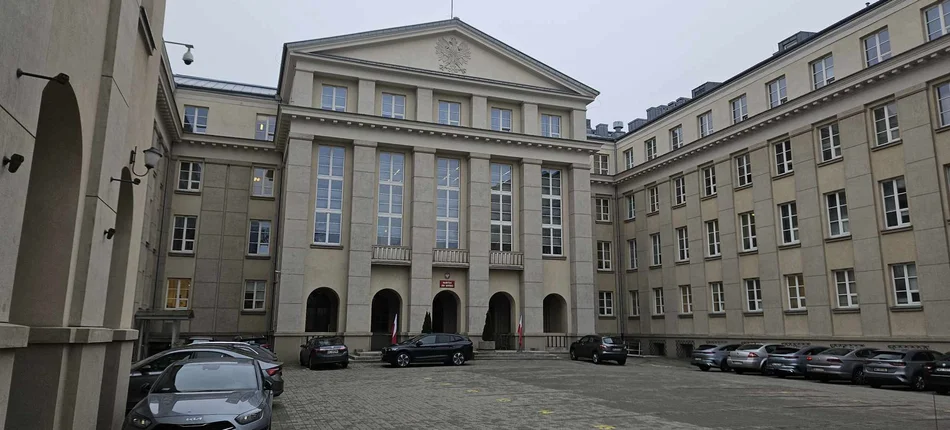
fot. Piotr Wójcik
Data obtained during the audit showed that in 2022 overweight and obesity affected, depending on the province, about 60-70 percent of the population. According to OECD data, each year about 1.5 million hospitalizations are related to obesity, and treatment of the disease and its complications consumes ⅕ of the health care budget.
Social Security data show that between 2012 and 2022, Social Security Fund expenditures on benefits resulting from an inability to work due to a diagnosis of obesity increased from about PLN 22 million to nearly PLN 31 million. Obesity is also associated with absenteeism from work and lower employee productivity. In 10 years, the number of days absent from work due to obesity has increased more than sevenfold, i.e. from about 28,000 to almost 206,000, while expenses for this purpose have increased 12-fold, i.e. from about PLN 1.7 million to almost PLN 21 million. According to OECD estimates, within 30 years our country will lose about PLN 108 billion (4.1 percent of GDP) due to obesity-related diseases, i.e. an average of about PLN 3.6 billion per year (about 0.14 percent of GDP).
- Obesity clearly has a shortening effect on life expectancy. According to OECD data, Poles, through obesity-related diseases, will live on average almost four years shorter than if they had maintained a normal body weight," stresses Wieslaw Motyka, director of the NIK delegation in Rzeszow.
According to the World Health Organization (WHO) definition, obesity is a chronic disease that does not resolve on its own and tends to recur. If left untreated, it causes a number of complications, including cardiovascular disease, type 2 diabetes, cancer, stroke, as well as mental problems such as depression and anxiety.
As many as ¾ of the patients diagnosed with obesity were also being treated for other diseases. This was the case for 206 of the 277 patients of the inspected PCPs in the sample examined in the NIK audit. Hypertension, type 2 diabetes and hypothyroidism were the most common conditions along with obesity during the audit period.
- Treating the complications of obesity disease is much more costly for all of us than treating this primary cause of many diseases that are its complications. We know very well that this disease increases the risk of developing malignant tumors. If we take this increase into account, we are talking about at least 500,000 cancer cases in our country, which could be avoided by treating obesity patients," stresses Prof. Mariusz Wylezol, president-elect of the Polish Society for the Treatment of Obesity.
Neither at the local nor at the national level has there been sufficient effort to identify the needs for overweight and obesity prevention. No data has been collected on the number of people at risk of obesity and suffering from the disease. For years, reports have been published in this area, but systematic studies showing the trend and scale of the problem are lacking. This situation translates into limping prevention and treatment of overweight and obese patients. The NIK stresses that the diagnosis and treatment of obesity in adults in both PCP and AOS is not having the desired effect. Too late diagnosis of obesity results in the development of other concomitant diseases, makes it more difficult to treat obesity and prevent complications.
Meanwhile, in Poland, the responsibility for prevention, diagnosis and selection of an appropriate treatment method for obesity rests primarily with PCPs. Meanwhile, as the NIK audit showed, PCPs did not feel competent to treat people suffering from obesity. They complained of a lack of time, and had problems diagnosing obesity in their patients, whom they consequently often referred to specialized clinics for treatment of obesity complications. At the same time, these doctors agreed that there was a lack of nutritionists and interdisciplinary teams including physicians, dieticians, psychologists and physiotherapists to whom people with excessive body weight could be referred. Obese patients did not have universal access to such specialists, as the basket of guaranteed benefits did not include this type of support.
- The medical community has recognized this problem for many years, and we see it as the report shows. He suggests the medical community is to blame. I believe that only a small group of us is trying to do something to change the situation of obese patients. There is no aspiration of the whole environment," admits Prof. Magdalena Olszaniecka-Glinianowicz, president of the Polish Society for Obesity Research.
The Supreme Administrative Court (NIK) is warning that PCP entities have allocated negligible amounts of money for health promotion. According to the CSO, in 2020, spending on prevention and public health accounted for less than 2 percent of the nearly PLN 152 billion spent on health care from public and private outlays.
The Supreme Audit Office notes that the scale of health problems resulting from overweight and obesity requires a comprehensive action plan that will include full prevention of overweight and obesity and access to obesity treatment in accordance with current medical knowledge and international standards.
Topics
raport NIK / powikłania otyłości / choroba otyłościowa / Najwyższa Izba Kontroli / NIK / otyłość