The Supreme Medical Council, after getting acquainted with the parliamentary draft act on the profession of cosmetologist, gives a negative opinion on the draft. What comments does NRL have?
The medical self-government has a negative opinion on the bill on the profession of cosmetologist

Published March 15, 2022 12:07
Fot. Getty Images/iStockphoto
In the opinion of the Supreme Medical Council, this project is an attempt to create a non-medical profession with the attributes of a medical profession, such as: keeping records, professional secrecy, professional development, the requirement to have premises, equipment, cosmetic products, etc.
The Supreme Medical Council points out that in order to be able to verify these obligations, the act should provide for an executive framework, which in the case of provisions on medical professions are delegations to issue relevant executive regulations by the minister responsible for health. Meanwhile, the provisions of the draft act do not regulate any substantive supervision over the performance of the profession of cosmetologist. It is not known who is to ensure that persons practicing the profession of cosmetologist adhere to the framework rules of practicing this profession set out in the Act in the field of professional secrecy, documentation and professional development, and it is not known who and whether they will codify these rules in detail. The Supreme Medical Council also points to the lack of regulations concerning, for example, waste management.
The Supreme Medical Council has been pointing to the need to organize the legal aspects of providing services in the field of aesthetic medicine for a long time. In practice, a blurring of the boundary between health services, reserved for medical activities, and treatments in the field of cosmetology and cosmetics, which are the domain of economic activity, is observed. The consequence of this is numerous cases of de facto provision of health services by people without appropriate qualifications (not performing any of the medical professions), and thus entering of economic entities into the area reserved for regulated economic activity, which is medical activity. This situation is not cured by the proposed bill on the profession of cosmetologist, which, e.g. in the provision of Article 2 (2) (2) on the rights, tries to clarify the list of specialist aesthetic treatments in the form of an appendix, and the provision itself also authorizes other activities aimed at improving the general condition of hair, skin and nails, and delaying the external signs of aging in the body, which is a broad term.
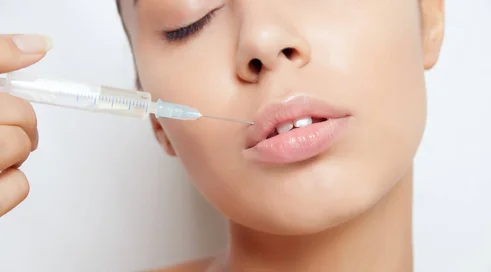
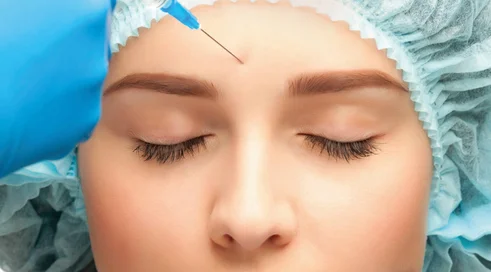
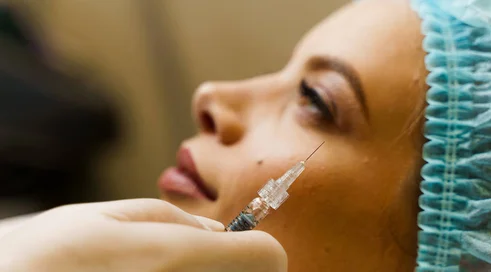
The Supreme Medical Council consistently emphasizes that treatments involving the interference with the tissues of the skin integuments should be performed only by doctors and dentists as representatives of professional groups with specialist theoretical and practical knowledge . In-depth knowledge and skills of doctors and dentists are additionally acquired through specialist training. The scope of knowledge that people practicing these professions possess is neither obtained by graduates of cosmetology studies, nor graduates of post-secondary schools educating in the profession of a cosmetic service technician, and even less so by participants of various types of cosmetic courses, the regulation of which is beyond the competence of the minister of health. The Supreme Medical Council also draws attention once again to the issue of complications during and after treatments, and therefore the need for immediate protection and use of drugs - first aid of this nature is available only as part of medical activities.
Source: NIL