There is a phenomenon of "disappearing nurses"
Who will take care of us in hospitals? Don't count on nurses...

Published July 27, 2023 12:04
Poland may run out of nurses by 2030, the OZPiP alarms. Tomorrow is an important day for Polish nurses and midwives, as the Sejm will vote on a civic bill submitted after the May 23 protest.
There are already too few nurses and midwives working in public health care. In Poland, there are only 5 nurses per 1,000 inhabitants, while in the European Union there are as many as 9, and in Switzerland even 16. Polish nurses and midwives are also the oldest group among the medical profession. Their average age is 54. So we are dealing with the phenomenon of "disappearing nurses," just at the moment when the aging baby-boomer population needs them so badly. The problem is that young people do not want to join the profession. Among the culprits are unequal pay conditions and a lack of strategy to develop the profession.
Poland may run out of nurses by 2030
There are already too few nurses and midwives working in public health care. In Poland, there are only 5 nurses per 1,000 inhabitants, while in the European Union there are as many as 9, and in Switzerland even 16. Polish nurses and midwives are also the oldest group among the medical profession. Their average age is 54. So we are dealing with the phenomenon of "disappearing nurses," just at the moment when the aging baby-boomer population needs them so badly. The problem is that young people do not want to join the profession. Among the culprits are unequal pay conditions and a lack of strategy to develop the profession.
In 2030, less than seven years from now, as many as 65 percent of employed nurses and 60 percent of employed midwives will reach retirement age. Already, nearly 80,000, or as many as one-fifth of nurses and midwives, are working despite reaching the age of eligibility for retirement. The huge demand for nurses is also not being filled by nursing graduates. Only less than 60 percent make it into the profession, and even fewer make it into the public health system and want to work, such as in hospitals. The rest end up in private health care, emigrate, or opt for more gainfully promising professions, such as cosmetologist.
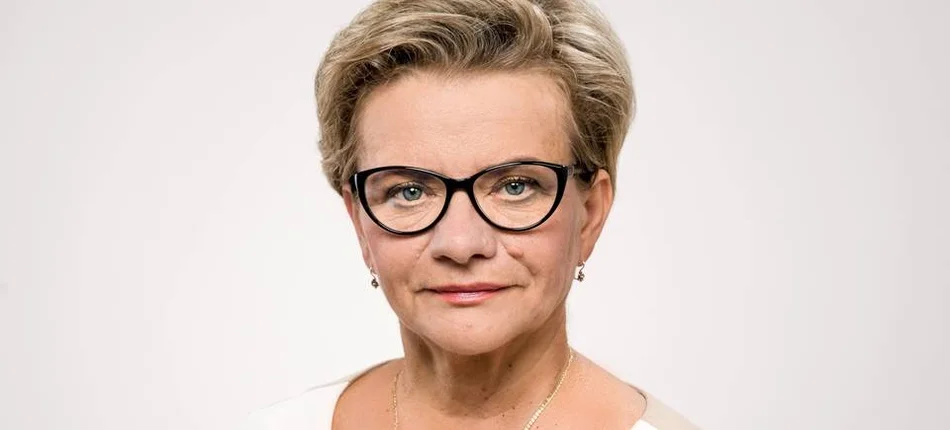
- Our profession is undoubtedly on a mission. Without nurses - which is not spoken about loudly - no patient would be operated on, because we are the ones who prepare operating theaters for work, we are the ones who assist with anesthesia and administer instruments during surgery. Also, we still in the ward prepare the patient for this surgery. We connect ECMO, dialyzers, infusion pumps, ventilators and place catheters, we do ECGs. We operate all the life support equipment and monitor the parameters. But we also have families and plans for the future, so why shouldn't we be properly rewarded for our hard work? How are we supposed to attract young people to the profession if the education that is already so hard to get is not valued? - asks Krystyna Ptok, plenipotentiary of the citizens' initiative committee.
Discrimination and degradation hurt everyone
The lack of a strategy for the development of nursing staff and a clear system of remuneration does not encourage young people to enter the profession. Indeed, the nursing and midwifery community today we face negative phenomena:
- Degradation - nurses and midwives are arbitrarily transferred by employers to groups with less pay without any link to their real education, experience and duties performed,
- Discrimination - nurses and midwives are discriminated against - other medical professions, e.g. doctors, pharmacists have recognized education possessed and not required for a particular position. Selective, inferior treatment of one professional group has no explanation and is discrimination.
Nearly 15,000 cases of discrimination and degradation of nurses are already pending in Polish courts. All the judgments that have been made are positive for nurses. This clearly indicates that the Law on the Method of Determining the Minimum Basic Salary of Certain Employees of Medical Entities is flawed.
Citizens' bill a real opportunity for change for the better
Not long ago, on May 23 this year, nurses and midwives - after a protest outside the Polish Parliament - submitted a previously announced civic bill to amend the law on the method of determining the lowest basic salary of some employees working in medical entities. They are fighting, among other things, for the creation of a system that takes into account real qualifications and knowledge based on experience, and minimizes differences in salaries that are not realistically confirmed by the duties performed.
- Competencies cannot be voluntarily defined by employers, who often define them without any connection to the duties performed. Their main motivation is financial and they often economize on medical workers. The changes are necessary and will motivate our community to continue and continuously improve knowledge, which, after all, is essential for the profession, and, above all, will also encourage young people not only to study in medical faculties, but to stay in the profession and work in public health care in our country. It will also allow experienced nurses and midwives to continue their work and pass on their knowledge to the younger generation," continues Krystyna Ptok.
The overriding goal of the project is to create conditions for a smooth generational exchange, which, due to the aging population, should become a priority for all governments. This is a guarantee of safety for Polish patients, i.e. realistically all Poles, because every citizen was, is or will be a patient one day. It is also necessary that the postulated changes are not only "on paper", but that they are followed by adequate financial guarantees. This is what nurses and midwives all over Poland are fighting for today, and they are hoping that during Friday's vote in the Sejm, their project will be referred to further committee work... instead of being put in the trash.
Source: OZZPiP