Chemotherapy is a basic and frequently used form of cancer treatment that, despite its many side effects, is very effective. Its task is to remove all cancer cells from the patient's body. It is used in both adults and children. What is worth knowing about chemotherapeutic treatment?
Chemotherapy in pediatric cancer. What is worth knowing?

Published Oct. 24, 2023 09:46
Fot. Getty Images/iStockphoto
Pediatric cancers require complex treatment, which can consist of chemotherapy, radiation therapy, surgical treatment, as well as bone marrow transplantation. The type of therapy is tailored individually to each patient and depends primarily on the type of cancer. The most common treatment for pediatric cancer is chemotherapy.
What is chemotherapy?
Chemotherapy is a method involving the use of cytostatic agents, i.e. drugs designed to destroy or inhibit the proliferation of cancer cells. The type of chemotherapy depends primarily on the type of tumor and, among other things, what additional risk factors exist.
- Chemotherapy is divided into initial, or neoadjuvant (induction) chemotherapy, which is used before surgery or radiation therapy or until remission in the case of oncohematological diseases, and follow-up, or adjuvant (consolidation) chemotherapy. This one, in turn, is used after primary treatment. In this phase, the choice of drugs depends on the response to previous chemotherapy and the presence of possible other disease foci. Each patient requires an individual approach and the selection of a treatment method that is suitable for him. Only with such a treatment can we achieve the best results," explains Professor Anna Raciborska, Head of the Department of Oncology and Oncologic Surgery of Children and Adolescents at the Mother and Child Institute.
Chemotherapeutic treatment most often uses several drugs, which are administered during the various stages of treatment. For solid tumors, there are usually about three-week rest periods between cycles of chemotherapy, lasting from a few minutes to a few days. The breaks in medication allow the body to rebuild healthy cells. During chemotherapy, it is often necessary in addition to blood tests or X-rays or ultrasounds.
- There are different ways to administer chemotherapy to a patient. Of these, we can distinguish between the intravenous form, during which drugs are administered directly into the bloodstream, and the oral form. In the case of intravenous chemotherapy, it is advantageous to insert a long-term intravenous access for a young patient - a port or central catheter. This significantly increases the child's comfort during treatment, as it eliminates the pain associated with frequent insertions," adds Professor Anna Raciborska of the Department of Oncology and Oncologic Surgery of Children and Adolescents at the Mother and Child Institute.
Side effects of chemotherapy
Due to the destructive effects of cytostatic agents on both cancerous and healthy cells, the body undergoing chemotherapy suffers significant weakness. The use of chemotherapeutic treatment is associated with the occurrence of various side effects, including general malaise, fatigue, nausea or sleep disturbances. These discomforts are often inconvenient for the patient, but usually pass soon after the completion of cytostatics.
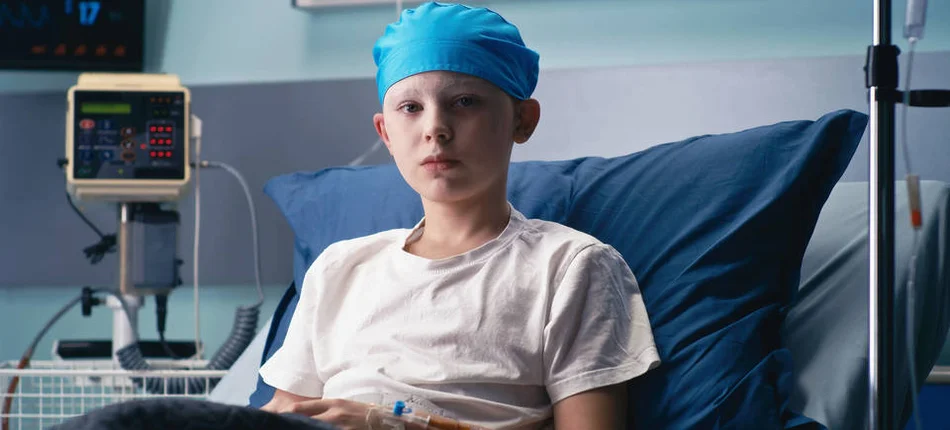
Two or three weeks after the first cycle of treatment, hair loss begins to appear. In most cases, this is reversible. Almost all children receiving chemotherapeutic treatment may develop anemia, thrombocytopenia, immunosuppression and susceptibility to infections, as well as liver dysfunction.
- A side effect that is not talked about much in the context of childhood cancer is infertility. However, it is just as significant and requires appropriate management. Chemotherapy significantly damages oocytes and sperm, and thus can cause permanent fertility disruption. The cure rate for young oncology patients in general is now estimated to be around 65-75%[1], so parents' awareness of their children's potential infertility in adulthood should increase. It is important for caregivers to know that there are ways to safeguard their child's fertility. This can be achieved by collecting and freezing ova or sperm. Unfortunately, at this time these procedures are not reimbursed and the cost of such procedures must be borne by the parents. Nevertheless, it is a solution that can give the child a chance to start a family in the future," says Prof. Anna Raciborska.
What should be kept in mind during chemotherapy?
A child who receives chemotherapy requires special care. While receiving cytostatic drugs, the main thing to remember is to maintain a proper diet. It should be varied, high-energy and easy to digest. Products considered to be highly allergenic, such as honey or nuts, should be avoided.
- Chemotherapy is a method that takes a heavy toll on the entire body, yet it is not recommended to take vitamins, dietary supplements or over-the-counter drugs prophylactically, as they can alter its effects. Before taking any preparations, it is necessary to contact your doctor, who will decide whether it is advisable. The doctor should be informed about all the medications the child is taking, such as antihypertensives or painkillers, and confirm their safety, explains Prof. Anna Raciborska.
It is also very important during chemotherapy to lead a sparing lifestyle and avoid excessive exercise. It is worthwhile to ensure that the child gets a restful, quality sleep and rest during the day. A child receiving chemotherapy has significantly weakened immunity, making it inadvisable for him to attend kindergarten or school, where he is exposed to infections.
In order to alleviate the unpleasant side effects of treatment, it is worth taking care of proper oral hygiene, including the use of a soft toothbrush and a mild toothpaste. It should be emphasized that teeth should be brushed after every meal. This will reduce the risk of severe oral infections associated with the treatment used. For patients who have the problem of excessive hair loss, also to take proper and gentle care of their hair.
Psychological support
Cancer and the chemotherapy associated with it are not only a physical challenge, but also a huge emotional burden, especially for children. Young patients have to face advanced medical procedures and fears about their health, as well as isolation and reduced contact with friends. Chemotherapy and hospitalizations often cause children to lose their sense of control over their lives. This can lead to feelings of powerlessness and uncertainty. Some children worry about changes in their outward appearance, such as hair loss or swelling, which can result from chemotherapy. Sometimes they lose their self-esteem because of this. Therefore, it is extremely important to provide them with psychological support that takes into account the individual needs and concerns of children undergoing chemotherapy.
- Psychological support should be an integral part of treatment for children undergoing chemotherapy. The role of the psycho-oncologist is to help children and their families cope with the emotional aspects of the disease and treatment. Children are most afraid of what they don't understand, so it's important to explain the entire treatment process to a young patient to help alleviate uncertainty and anxiety. Psycho-oncologists are able to understand the emotions accompanying a child during this difficult time and adapt the way of communication to the age of each patient," stresses Joanna Pruban, M.D., psycho-oncologist, educator, Mother and Child Institute.
It is also important to maintain a healthy balance between treatment and daily activities. For children, it's fun, creative activities or artistic activities that can provide a great break from the hospital routine.
Chemotherapy treatment raises many concerns for both young patients and their parents. It is worthwhile to have a thorough conversation with the treating physician, who will talk about the treatment process and help prepare for it. It is important that caregivers are very knowledgeable about caring for a child who is receiving chemotherapy, so that they can help them through all stages of treatment. Psychological support for both children and their parents is also essential, so that it will be easier for them to cope with the difficult emotions that accompany the disease and treatment.
Department of Oncology and Surgery of Children and Adolescents of the Institute of Mother and Child (IMiD)
Poland's oldest highly specialized Oncology Clinic for children and adolescents located in Warsaw. The Clinic's interdisciplinary, experienced team provides full diagnostics and comprehensive treatment of cancers in children from the fetal period to the age of 25 from all over the country. It specializes in the treatment of solid tumors outside the central nervous system and histiocytoses. The clinic is a reference center for sparing treatment, making it possible to save a limb for a sick child. By 2023, more than 800 endoprosthesis implantations had been performed, including those that are mechanically lengthened or by electromagnetic field. The youngest patient to undergo such a procedure was 8 months old. The Clinic's team also conducts scientific activities - including non-commercial clinical trials on the treatment of solid tumors in children.
Source: press release