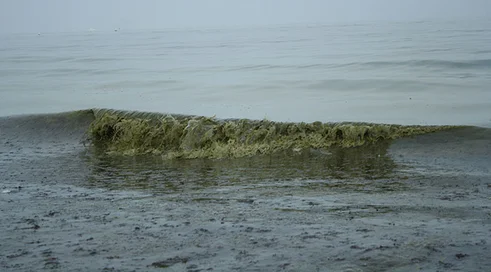
A dozen or so Pomeranian bathing areas have already been closed due to the bloom of cyanobacteria, which, as the doctors of the Healthcare Employers' Alliance emphasize, may be hazardous to health. - Do not risk entering the water that is contaminated, meeting with "uninvited guests" often ends badly! - says Bożena Janicka, president of PPOZ.
PPOZ ostrzega
Cyanobacteria dangerous to health!

Published Aug. 15, 2022 10:01
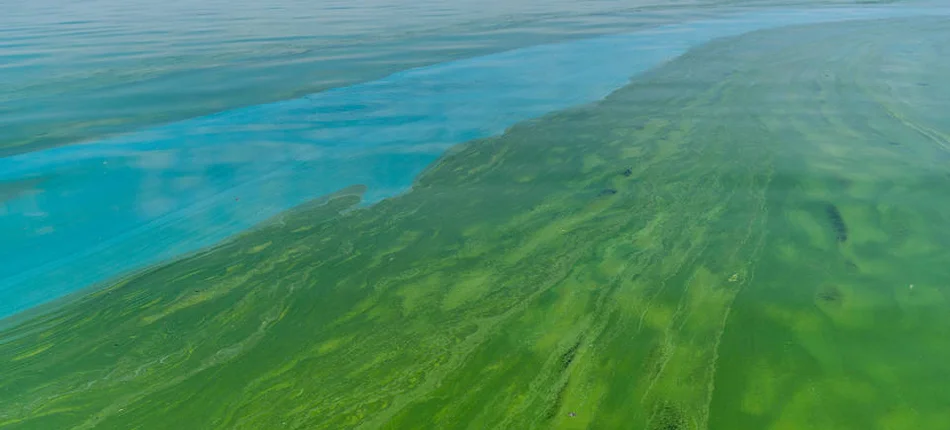
Fot. Getty Images/iStockphoto
Although the holidays are slowly coming to an end, the sunny weather is perfect for relaxing by the water. Already in July, epidemiologists alerted about the appearance of cyanobacteria in the Baltic Sea, where Poles like to rest.
What are cyanobacteria?
Cyanobacteria, commonly regarded as algae, are actually… bacteria (cyanobacteria). These are simple microorganisms that owe their green color to chlorophyll necessary for photosynthesis. Their natural habitat is water - both fresh and salty. There are also some that are found in soil. There are over 200 species of them. A special property of these bacteria is their ability to absorb nitrogen from the atmosphere. This feature allows them to live in various environments.
They like dirty water the most
Cyanobacteria are satisfied with a temperature of twenty degrees Celsius and windless weather (preventing the movement of waves). Ideal conditions for development are also provided by water with an increased concentration of phosphates and nitrates, ie water ... polluted! The source of nitrogen and phosphorus origin in waters are detergents (powders, liquids, soaps), fertilizers, slurry flowing from fields, household, municipal and industrial sewage. This is evidenced by the fact that there are no cyanobacteria in the water free from chemical pollutants! The appearance of these bacteria is a clear signal of poor water purity, but also an additional threat to aquatic life. Such a region is ecologically contaminated. In the environment degraded by humans, they multiply in enormous numbers and become a threat to both underwater life and humans.
Blooming Baltic
It is no coincidence that cyanobacteria are particularly fond of the waters of the Baltic Sea - a sea with a degraded environment. Scientists call the Baltic a water desert, alarming that several hundred tons of nitrogen and phosphorus compounds get into it every year!
Why are cyanobacteria dangerous?
- You have to remember that cyanobacteria are dangerous to human health! Very much! They produce toxic substances, mainly microcystins, which can enter our body while swimming in contaminated water. Contact with cyanobacteria can result in various ailments: skin changes, malaise, fever, cough, abdominal pain, nausea, vomiting, pneumonia, muscle pain, dizziness. Individual species of cyanobacteria are harmful to different organs. Hepatotoxic drugs damage the liver, even leading to its failure. They are the most common type of toxin produced by freshwater cyanobacteria. Neurotoxic cyanobacteria irritate or damage the nervous system, leading to cell destruction, while dermatotoxic cyanobacteria attack the skin and mucous membranes. There is also a group of carcinogenic cyanobacteria that cause the formation of neoplastic changes and cyanobacteria that produce non-specific toxins, acting slowly, damaging the liver, kidneys and thymus. That is why we should avoid wild bathing areas resembling thick soup, and on guarded beaches, we must strictly adhere to bathing bans introduced in connection with the attack of blooming cyanobacteria! - warns Bożena Janicka.
Source: PPOZ
Topics
sinice