Although this summer's thesis is not confirmed, climate change is making us urgently prepare to function in extremely high temperatures. Heat waves, or days when the daytime temperature exceeds 30 degrees Celsius, especially if accompanied by tropical nights, have a large and negative impact on health, especially for the elderly and chronically ill.
Extreme temperatures are putting a strain on the health care system. Will there be changes in health and safety regulations?

Published July 25, 2025 07:17
Fot. iStock/Getty Images
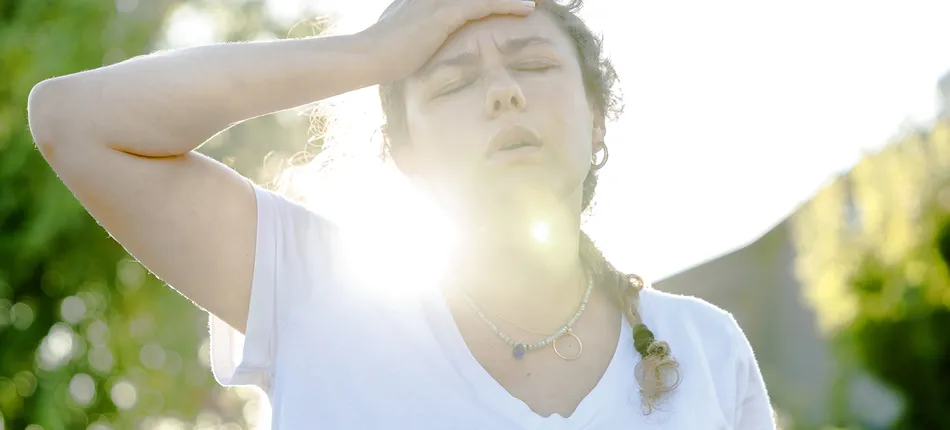
On Thursday, this issue - the impact of heat waves on public health - was addressed by the Parliamentary Subcommittee on Public Health. During the meeting, attended by representatives of the health and climate ministries, they discussed how to reduce this impact, as it is already known that heat waves bring an increase in the number of deaths by up to a third, moreover - this impact will increase sixfold over the next fifteen years.
An increase in the number of hot days also always puts a strain on the health care system - the number of hospitalizations, emergency medical service interventions or outpatient care visits jumps. Urban residents are particularly vulnerable - the climate ministry representative reminded of "urban heat islands" that have no chance to cool down even at night.
Subcommittee chairwoman Joanna Wicha stressed that a visible sign of the lack of preparation for this phenomenon is the construction of the regulations: at the moment, the law indicates the minimum temperature that an employer must provide, but says nothing about the maximum temperature. Wicha added that the Ministry of Family and Social Policy is working to amend OSH regulations, including the introduction of technical and organizational obligations for employers to respond to high temperatures. During the meeting, it was repeatedly stressed that climate change is one of the main challenges to public health, understood as everything that affects the health of the population, although it remains outside the health care system itself.
There is no doubt that urgent and relevant interventions are needed. The climate ministry representative spoke of a particularly large role for provincial governments and cities, which have specific instruments at their disposal - including support from European funds for adapting cities to climate change. Priority is given to increasing urban green space, building permeable pavement and investing in blue-green infrastructure.
The Ministry of Health reminds people of the educational campaigns carried out before each heat wave. According to World Health Organization recommendations, one should limit physical activity during peak heat hours, cover windows during the day and cool rooms at night, use air conditioning sparingly and responsibly, drink plenty of water and avoid alcohol. Naturally, however, questions arose from MPs about how the campaigns are conducted and not only whether they are effective, but most importantly - visible. There was also the question of the health education program, which, it was pointed out, lacks content related to extreme temperatures.
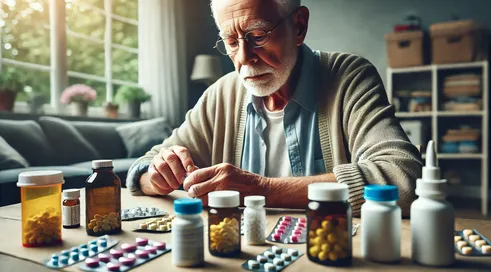
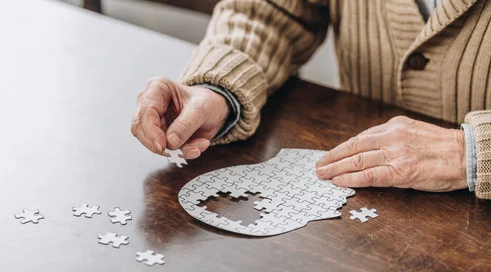
One group for whom the heat poses an obvious health risk is senior citizens. They called for, on the one hand, greater attentiveness and empathy towards such people, and on the other, for solutions that will help them function in hot weather, such as creating air-conditioned (lightly air-conditioned, the temperature should be 4-5 degrees lower inside than outside, otherwise air-conditioning increases the problem rather than helps solve it) places of respite, if only in public buildings (offices, community centers, libraries, etc.). Members called for inter-ministerial recommendations for the design of public buildings, especially DPS and hospitals, taking into account the need for air conditioning and air vents. - Air conditioning, water drinkers and cooling spaces should be included - even if these are only recommendations, not obligations, he argued. - These don't have to be orders, guidelines are enough, but they must appear, argued Marek Wojcik, an expert at the Association of Polish Cities.
Topics
Joanna Wicha / upały / klimatyzacja / seniorzy / zmiany klimatu / kampanie edukacyjne / fale upałów / zdrowie publiczne