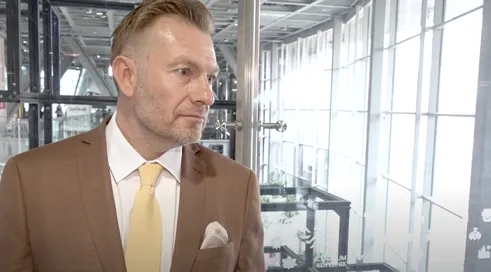
The fifth edition of the European Cancer Code is based entirely on the principles of evidence-based medicine and shows in simple terms how everyday decisions affect cancer risk, stresses Prof. Pawel Koczkodaj of the Department of Epidemiology and Primary Prevention of Cancer at the National Cancer Institute. This is the first time the document has so clearly emphasized the risks of new nicotine products and air pollution.
Long-awaited changes to the European Cancer Code: New nicotine products and pollution finally on the list!

Published Feb. 11, 2026 07:58
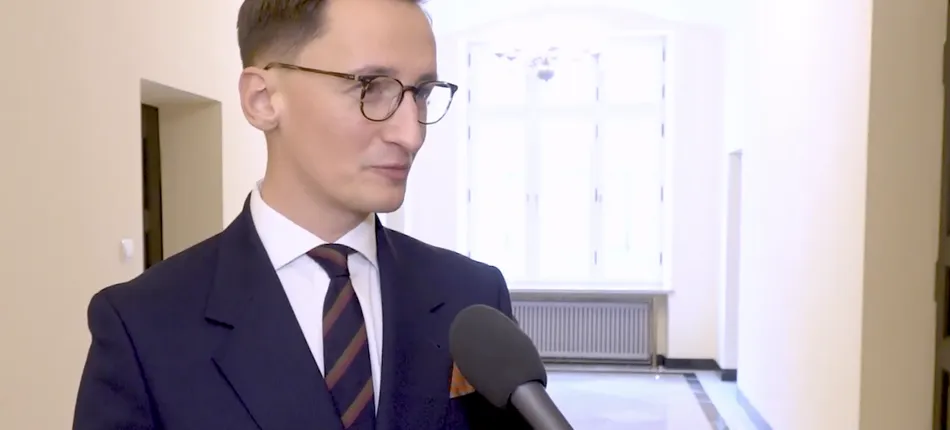
After many years of waiting, the fifth edition of the European Code Against Cancer has been published. As Prof. Pawel Koczkodaj emphasizes, all recommendations in the document are based on evidence-based medicine.
- At the outset, it must be emphasized that all the recommendations in the Code are based on evidence-based medicine, the expert points out. The Code has the character of a practical guide. It shows in an accessible way how, through everyday choices, you can realistically reduce the risk of developing cancer. - The recommendations show in a very simple way how we can lower the risk of cancer in our daily lives. They don't have much to do with complicated medicine or public health - they are about our daily decisions, or lifestyle," explains Prof. Koczkodaj.
The use of new tobacco products and nicotine products is more strongly emphasized in the new edition. - The use of new tobacco products, such as heated tobacco, and nicotine products, i.e. e-cigarettes, are more strongly emphasized in the new European Cancer Code. It was emphasized that they are certainly not healthy for us. This is a long-awaited element that we really wanted to see included in the code," says the expert.
The explicit mention of air pollution as a risk factor for cancer is also an important new development. - The new recommendation, which comes after years of discussion, is air pollution. The European Code Against Cancer indicates that air pollution is the strongest environmental factor that increases cancer risk, Prof. Koczkodaj stresses.
The quality of the air we breathe has a direct bearing on the risk of oncological diseases, he adds. - What air we breathe is of great importance to us - including for oncological diseases.
According to the expert, the new edition of the code again shows that cancer prevention is not only a matter of individual choices, but also environmental conditions. Lifestyle remains key, but the environment in which we function on a daily basis is equally important.