Hunter's disease patients and their doctors fear losing access to treatment. The reimbursement decision for a preparation covered by the drug program expires at the end of the year. Its extension is uncertain due to the high cost of therapy.
What is the future of the drug program in Hunter's disease? The reimbursement decision expires at the end of the year

Published Dec. 9, 2022 08:44

Fot. Getty Images/iStockphoto
Hunter's disease is a rare, severe, systemic metabolic disease. The majority (80%) of patients experience a severe course of it. Symptoms of the disease are observed in children aged 2-3 years. The rapidly progressing disease leads to to skeletal deformities, mental retardation, damage to the hearing organ and the heart muscle. Meanwhile, early implementation and continuation of enzyme replacement therapy effectively prevents further development of lesions. The median survival for such patients is 33 years, which is an average life extension of almost 12 years.
Currently, idursulfase therapy is available in Poland as part of the drug program. However, the reimbursement decision expires at the end of the year.
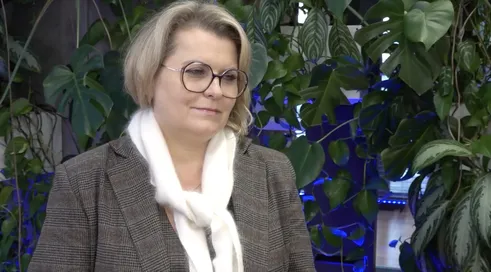
- There are problems with further processing of the continuation, due to the cost of the drug. The worst that can happen is to take treatment away from patients who already have it. Therefore, we have a gigantic problem of how to tell the sick that we will not treat them. It is absolutely unimaginable, says Prof. dr hab. n. med. Zbigniew Żuber, head of the Department of Paediatrics at the Andrzej Frycz Modrzewski Academy in Kraków.
As the professor points out, doctors should not discuss the prices of drugs and their availability, but should focus on the best possible care for patients.
- I hope that despite these perturbations we will still be able to treat patients - concludes prof. Zbigniew Żuber.