Two-thirds of Poles do not perform preventive examinations, and 40 percent. does not know that they are free - according to the published report "Why don't we test ourselves? Prevention of Polish women and Poles”.
Profilaktyka
Why don't we investigate?

Published Nov. 23, 2022 08:02
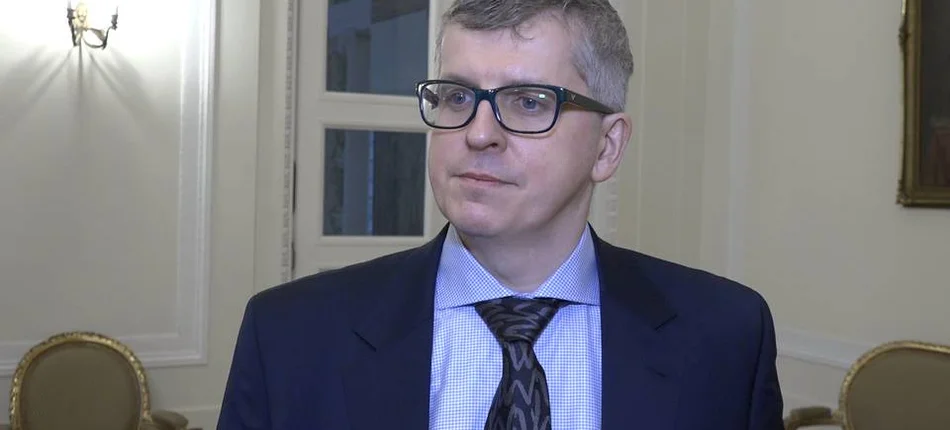
Fot. MedExpress TV
The study was conducted on a representative group of Poles on the initiative of the Association for Sarcoma and Melanoma Patients. Research partners include: Polish Society of Oncology and the National Institute of Oncology. Maria Skłodowska-Curie National Research Institute.
President of the Polish Society of Oncology prof. Piotr Rutkowski said, opening the debate, that the results were not surprising. "But I didn't think it was that bad." Half of the respondents do not know what preventive examinations are, more than 60 percent. doesn't do them. 40 percent does not even know that they are fully financed - emphasized the head of the Department of Soft Tissue Cancer, Bone and Melanoma of the National Institute of Oncology. Maria Skłodowska-Curie - National Research Institute in Warsaw. Prof. Rutkowski also pointed out that prophylaxis - not only anti-cancer - was already lame before the COVID-19 pandemic. - After the pandemic, the situation has not returned to any reasonable level. It was bad before the pandemic, it's even worse - assessed prof. Piotr Rutkowski.
President of the Sarcoma and Melanoma Association, Kamil Dolecki, noted that the report is the culmination of many weeks of work of representatives of the association, doctors and specialists in the field of public health.
What is the basic information coming from the report? 64 percent of respondents do not perform regular tests for cancer. 46 percent cannot name any preventive examination in this field. 39 percent does not know that such examinations are free of charge in Poland - financed by the National Health Fund. 36 percent Polish women and men do not know where to have a prophylactic examination in their area and every fifth Pole believes that prophylaxis does not save lives.
Dr. Joanna Didkowska, head of the Department of Epidemiology and Cancer Prevention of the National Institute of Oncology (NIO) in Warsaw, admitted that the forecasts for the future are not optimistic. - The cancer tsunami is coming. An increase in the incidence of breast cancer, prostate cancer and colorectal cancer is expected. The prognosis regarding the decline in the incidence of lung cancer among men is optimistic, but not so much among women. We will face an increased number of cancer cases; firstly, because we are aging as a society, and the older we get, the greater the risk of cancer, and secondly, because of the changes in behavior and in the environment that we are witnessing - she said. It would be all the more important to detect changes that can lead to cancers and cancers in the early stages of development early.
- We don't really want to hear that we can be sick - we should rather tell patients that they can be healthy, that they can influence it, that it is decided by everyday choices - added Dr. hab. Marta Mańczuk, head of the Cancer Prevention Laboratory of the Department of Epidemiology and Cancer Prevention NIO in Warsaw.
Dr. Michał Sutkowski from the College of Family Physicians in Poland admitted that, in his opinion, primary care physicians may and should do more to promote prevention - even if we take into account how much workload they are. He pointed out, however, that a significant part of the population visits their doctors sporadically, and this term means a visit every five or even ten years. In his opinion, virtually all segments of the health care system (including specialists, dentists, but also pharmacies) should be involved in the promotion of prevention, and go far beyond the system - even reaching the circles of rural housewives, fire brigades or parishes. In the opinion of Dr. Sutkowski, the media, especially television, should also play a significant role.