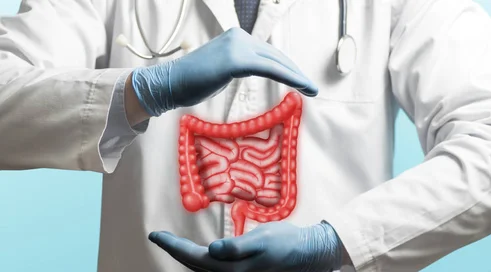
With the increasing availability of innovative therapies for inflammatory bowel diseases under drug programs, the Social Security Administration's per capita spending on disability benefits, especially pensions, is falling. This is the main conclusion of the report compiled by MAHTA. The problem, however, continues to be strict inclusion criteria and poor pricing. As a result, the most effective treatment options still benefit a small percentage of patients. There are also regions where treatment is provided by single reference centers.
Better access to innovative therapies in IBD will optimize system spending. Doctors and patients expect relaxation of inclusion criteria

Published Nov. 21, 2023 18:20
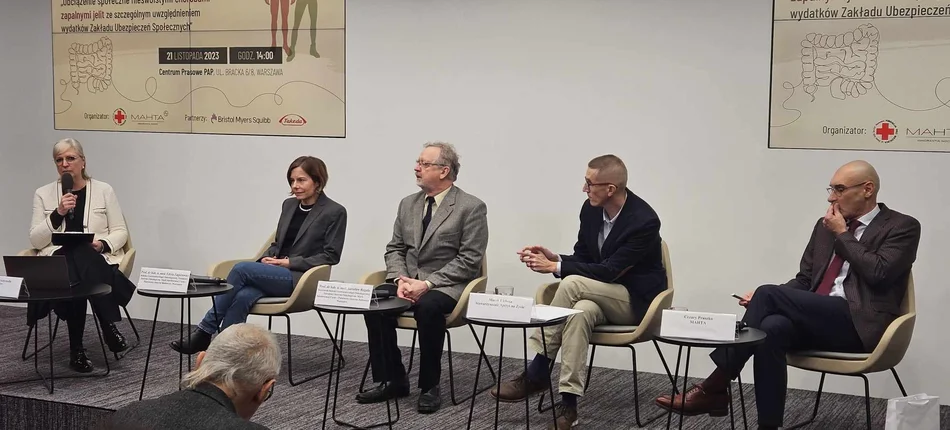
fot. Piotr Wójcik
Inflammatory bowel diseases, namely Crohn's disease and ulcerative colitis, are chronic diseases of the gastrointestinal tract characterized by a high level of inconvenience, not least because of their symptoms, which include debilitating, often bloody diarrhea, malnutrition or very severe abdominal pain, as well as complications such as perianal fistulas, which are very difficult to heal.
- Feelings of shame, related to the nature of these symptoms, are also a problem. Patients find it difficult to talk about them. People with the disease often hide the disease, but at the same time they want to have children, start a family, and work," says Professor Jaroslaw Regula, head of the Clinical Gastroenterology Clinic at the National Cancer Institute in Warsaw.
- The available treatments are unfortunately not fully effective. They can lead to remission, but relapses or exacerbations occur. Then patients are increasingly on sick leave, sometimes having to apply for disability," adds Prof. Jaroslaw Regula.
Biological therapies, which in Poland are available under drug programs, have the highest efficacy in inducing IBD remission. The first substances were covered by them in 2012. Since then, with subsequent reimbursement decisions, the availability of these drugs to patients has increased. More molecules were included in the drug program, generics appeared, treatment time restrictions were extended, and finally these restrictions were completely abolished.
If we look at the total costs incurred by Social Security and resulting from temporary and permanent disability in people with IBD, we find that they have steadily increased. The same trend was observed in the overall Social Security costs on this account. However, when the average cost per person is analyzed, it will be found that this has been declining. This means that the increasing number of disability and sickness benefits is due to the increased recognition of inflammatory bowel diseases, but thanks to access to innovative therapies, patients have had to use them less and less.
- We see that the better the availability of treatment, the lower the expenses for paying disability benefits in real terms. Let's remember that we are talking about people who are in their prime. So we would expect IBD patients to benefit from effective treatment, which would manifest itself in fewer disability payments and shorter sickness absences," points out Cezary Pruszko of MAHTA.
Meanwhile, it turns out that only less than 9 percent of patients with Crohn's disease and less than 2 percent of patients with UC are taking advantage of the innovative treatment options available through drug programs.
- There are places in Poland where only a few patients receive innovative treatment. This is not because there is a shortage of specialists, but is a derivative of poor pricing of services. The National Health Fund covers the cost of drugs and necessary tests, but nothing else. Neither the hospitals, let alone the staff, make any money from providing these services," admits Prof. Edyta Zagórowicz of the NIO-PIB Clinical Gastroenterology Clinic.
As Prof. Zagórowicz adds, the changes taking place in drug programs mean liberalization. Patients benefit from this.
- We no longer have to stop treatment after one or two years of treatment. However, we still insist on liberalizing the criteria that allow us to start innovative treatment and on expanding the indications. We also count on reimbursement for new preparations that keep appearing," the professor adds.
Marek Lichota, president of the Appetite for Life Association, has been struggling with inflammatory bowel disease for two decades. Today he is a pensioner, but the status he has now was influenced not only by the nature of the course of the disease from the very beginning, but also by the lack of availability of a drug program at the time. As he points out, the changing situation and greater access to modern treatment is, above all, an opportunity for patients to go into remission to achieve relative stability.