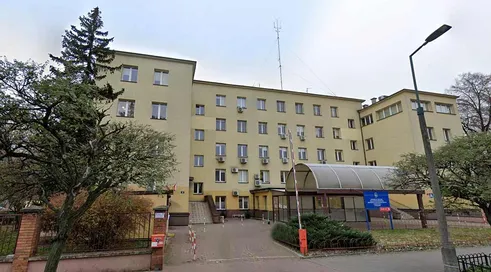
A six-year-old patient with diphtheria has been in the Lower Silesian Pediatric Center for several days and undergoing intensive care. The unvaccinated child - according to doctors, he has not received a single dose - returned infected from a vacation in an African country.
Diphtheria in Poland - six-year-old unvaccinated child in serious condition

Published March 15, 2025 17:18

Fot. Getty Images/iStockphoto
Diphtheria (diphtheria, croup) is a severe infectious disease that has been eradicated through vaccination. Until the 1950s, diphtheria caused epidemics, which in Poland brought tens of thousands of infections and up to 3,000 deaths annually. At the moment, single cases are reported in Europe. The last epidemic wave was in the middle of the 20th century (collapse of the USSR, population migrations). Although at the moment on a global scale the scale of diphtheria cases reaches "only" a few thousand (according to WHO data in 2010 there were just over 4.1 thousand), it is worth remembering that infections still occur in African, Asian or South American countries.
Doctors describe the child's condition as severe, despite the fact that the disease was correctly diagnosed (the symptoms, i.e. sore throat, fever, could suggest tonsillitis) and treatment was quickly implemented. In addition to antibiotic therapy, the patient quickly received antitoxin (hospitals do not have antitoxin in stock, it is taken from the government's strategic reserves), but nevertheless required intubation and intensive care.
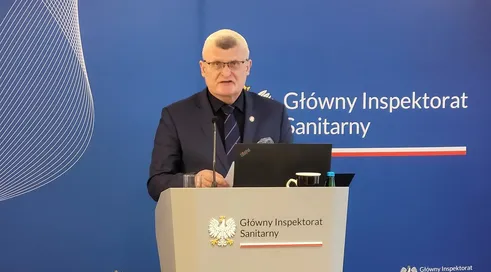
The highly contagious infection is spread by the droplet route - through coughing and sneezing or close contact with an infected person, which is why, as Dr. Pawel Grzesiowski, Chief Sanitary Inspector, said Friday evening during a webinar conducted since the pandemic, there is a detailed investigation into the matter. Vaccination is effective against diphtheria; unvaccinated people are at risk of infection and a severe course of the disease, with complications up to and including death. Adults should also be vaccinated (every ten years, as against whooping cough), but in Poland the uptake of booster doses of vaccinations implemented under the PSO as mandatory in the population of children and adolescents is not very widespread.