Children suffering from cancer have weakened immune systems. This is due to both the nature of the disease itself, which causes immune system dysfunction, and the intensive treatment they must undergo. As a result, they are also particularly vulnerable to infection, which is why it is so important to use vaccinations that can help protect young patients during and after treatment. However, this process requires special care and precise planning of the vaccination schedule, taking into account the phase of the disease and the anticancer therapies implemented in the child.
Vaccination calendar in a child with cancer. What is worth knowing?

Published Oct. 24, 2024 09:04
fot. Piotr Wójcik
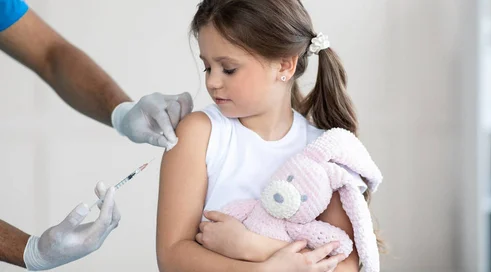
Implementing childhood immunizations according to the calendar is crucial to maintaining public health. High vaccination rates create so-called collective immunity, which helps stop the spread of dangerous diseases like pertussis. Therefore, the vaccination of children should not be abandoned, but in the case of serious diseases, it must be properly scheduled.
Immunization of immunocompromised children
Children with cancer undergo intensive treatments such as chemotherapy and radiation therapy, which usually lead to immunosuppression weakening their immune systems. Vaccination is therefore an extremely important part of protecting their health. First of all, they help prevent infectious diseases that could further weaken an organism already burdened by cancer treatment. Children with low immunity can have difficulty fighting off even simple infections, which can lead to serious complications such as pneumonia and even sepsis.
How does a medical condition or treatment affect the vaccination schedule?
The child's health status and stage of treatment have a direct impact on the feasibility of the vaccination calendar. Intensive treatment, especially chemotherapy, weakens the immune system, so that the immune response to vaccines may be weaker or insufficient. Therefore, vaccinations should be tailored to the schedule of anti-cancer therapy and, if possible, given before the start of treatment.
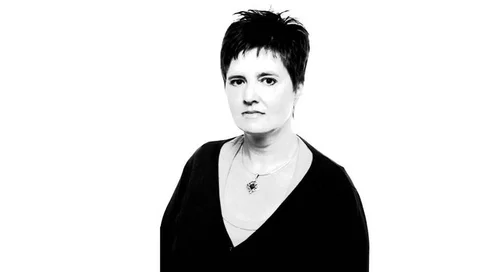
- When deciding whether to vaccinate cancer patients, it is crucial to consider several factors. The patient's age, previous vaccination and medical history, and exposure to potential infectious agents should be taken into account. It is also important to consider the specific nature of the cancer and the type of therapy currently being used or planned. During intensive treatment, vaccinations are usually withheld. However, once this phase is over, it is important to schedule them, especially once the so-called hematologic reconstitution has been achieved. Inactivated vaccinations, such as those against diphtheria, tetanus, pertussis, pneumococcus, meningococcus, hepatitis B and A, influenza and tick-borne encephalitis, are safe for this group of patients. However, it should be remembered that during chemotherapy, the immune response to vaccination may be limited, which may reduce the effectiveness of the vaccine. Therefore, the optimal timing of vaccination should be precisely planned depending on the phase of treatment," explains Professor Anna Raciborska, Head of the Department of Oncology and Oncologic Surgery of Children and Adolescents at the Mother and Child Institute.
Vaccinations are safe
Guidelines from many international health organizations, such as the Infectious Diseases Society of America (IDSA), recommend giving inactivated vaccines even to children with weakened immunity. They contain dead forms of pathogens, i.e. bacteria or viruses, that are incapable of replicating and causing disease. Thus, after administration of such a product, the patient's body can safely develop an immune response without the risk of developing an infection. On the other hand, live vaccines such as MMR (measles, mumps, rubella) or chickenpox vaccines should not be used during intensive oncology therapy. Administration of these types of antigens during treatment can cause infection, as the child's immune system cannot effectively cope with even the weakened viruses contained in live vaccines. It is therefore important to adjust the vaccination calendar to the current state of the young patient's health, and - if necessary - to implement them after the end of treatment.
When to resume the vaccination calendar?
Resumption of vaccinations after completion of oncology treatment requires an individual approach and monitoring of the child's health.
- Typically, inactivated vaccinations can be resumed about 3-6 months after the end of chemotherapy, when the immune system begins to recover. In contrast, live vaccinations, such as MMR, can be given at the earliest 6-9 months after the end of treatment to ensure full protection and minimize the risk of complications. However, the possibility of pursuing vaccination should be consulted with the attending oncologist, explains Professor Anna Raciborska, Head of the Department of Oncology and Oncologic Surgery of Children and Adolescents at the Mother and Child Institute.
Vaccinations affect more than just the child
Immunization should cover not only the sick child, but also those around him. Parents, siblings, and all medical personnel must be vaccinated according to the current vaccination calendar to protect the patient from the risk of infection. It is especially recommended that these people be vaccinated against influenza and other infectious diseases, such as whooping cough and chickenpox, if they have not previously been sick with them.
In addition, it is important to avoid close contact with people who have recently received live vaccines (e.g., rotavirus) or who have had post-vaccination reactions, such as the chickenpox vaccine rash.
- Families of young oncology patients must observe special hygiene rules and exercise caution to minimize the risk of transmitting infections to their sick child. Very often, anticancer treatment excludes the possibility of vaccinating the patient, so all people in the patient's immediate environment should undergo them in order to create a kind of "epidemiological cocoon," adds Professor Anna Raciborska, Head of the Department of Oncology and Oncologic Surgery of Children and Adolescents at the Mother and Child Institute.
Vaccinations in children with cancer are an extremely important but also sensitive part of medical care. They require adjusting their schedule to the child's condition and phase of treatment. It should also be borne in mind that if the patient himself is unable to receive the vaccine, all those in his closest proximity should undergo them.
Source: IMiD press release