Thanks to coordinated care, PCPs have gained the opportunity to better use their expertise to provide patients with better, and in fact appropriate, medical care. Will this also reduce the pressure on AOS?
Coordinated care strengthens primary care

Published April 21, 2023 13:01
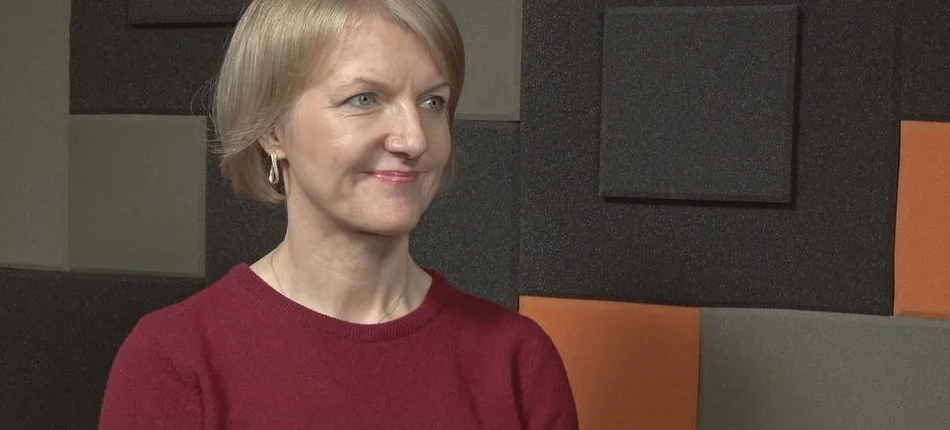
Fot. MedExpress TV
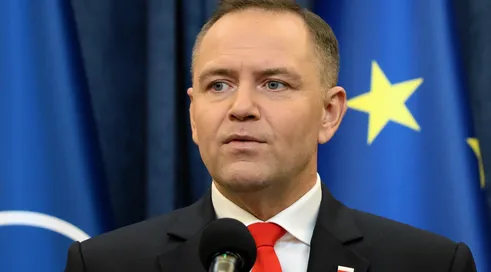
This was one of the questions posed by participants in a panel discussion on the relationship between PCPs and AOS at the Health Advocates Congress, held in Warsaw this week. Data available to the National Health Insurance Fund shows that interest among PCPs in joining the coordinated care model is very high - significantly higher than expected last fall. More than 1.1 thousand entities have already signed contracts, with another hundred submitted applications queued up for consideration - that's effectively 20 percent of all providers (there are about 6.2 thousand POZ entities), which, as Prof. Agnieszka Mastalerz-Migas, national consultant in family medicine, said, care for about a third of patients. - We were convinced that we would achieve such a result only in 2024. Meanwhile, we managed to do it after just six months," said Michal Dzięgielewski, director of the Treatment Department at the Ministry of Health.
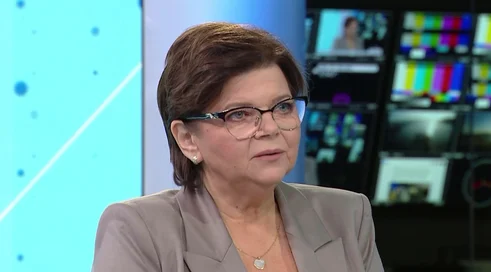
Prof. Agnieszka Mastalerz-Migas noted that the boundary between primary health care and outpatient specialized care is fluid. - There are no criteria indicating which patient should be referred to primary care and which to AOS. It is the knowledge and experience of the doctor that decides," she said, noting at the same time that a serious systemic problem was (and still is) that a very large proportion of patients referred by PCPs to specialists remained (and remains) in specialized care, while after consulting their condition and developing treatment they should return to PCPs - only patients with more severe health problems should be managed in AOS.
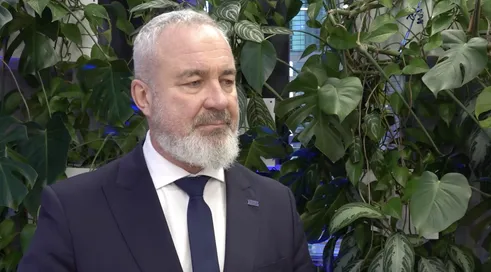
Andrzej Zapaśnik, president of the Polish Integrated Care Foundation and an expert of the Zielonogórskie Alliance Federation, explained that cooperation between primary care and secondary care cannot consist in a family doctor writing referrals to another specialist. - We are currently developing communication tools, which are necessary especially in small family physician practices, which cooperate with other specialists. AOS doctors often send back rather meager information. And this is all about sharing clinical information. The P1 platform was supposed to be used for this, but so far it's not working," he said.
Michal Dzięgielewski, subscribing to these statements, stressed that a patient should go to AOS only when the PCP has exhausted its capabilities. Why is this not happening? The national consultant in family medicine admitted that in the thirty years since primary health care and family medicine came into the public consciousness, it has not been possible to teach, or convince, patients that the same specialists work there as in AOS. - First, we implemented family medicine as a great reform, and then we spent 30 years convincing them that it was no good and we needed to turn back from this path. As a result, there was a lack of energy for this model of care to develop. Now we have found that energy, but we have a lesson to learn. We need to explain to patients that a family doctor is a specialist with tremendous knowledge," she added.