The Supreme Audit Office negatively assessed the handling of infectious medical waste, including that generated in connection with COVID-19, in 2019-2022 (Q1). During the audit period, it was stored, received and managed in contravention of regulations. Neither hospitals nor public administration authorities exercised effective supervision over the management of infectious medical waste.
Disturbing results of NIK audit. Medical waste out of control

Published Nov. 24, 2023 13:45
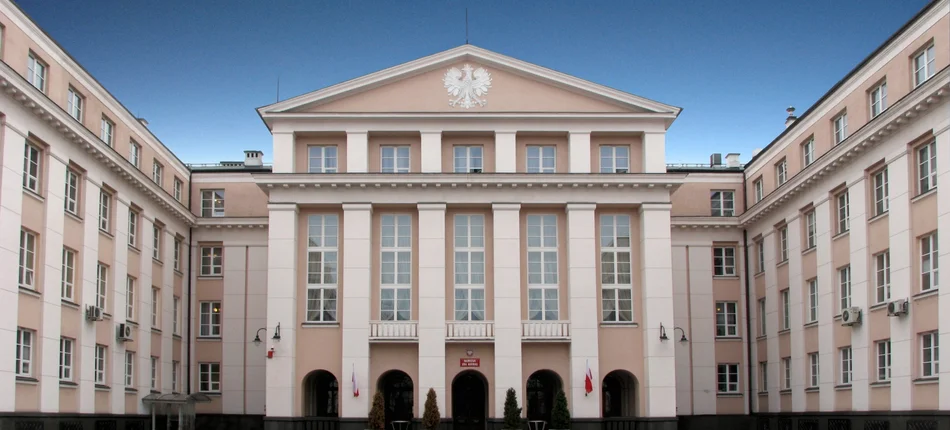
fot. Materiał urzędowy Najwyższej Izby Kontroli
According to a 2014 European Commission regulation, infectious medical waste is that which contains live microorganisms or their toxins, potentially capable of causing disease in humans or other living organisms. However, the criteria for determining the infectious property of waste are set for their own use by individual EU member states. In Poland, "infectivity" of waste is defined by the 2019 Regulation of the Minister of Climate on the conditions for recognizing waste as having infectious properties and the manner of determining such properties.
The Supreme Audit Institution decided to check whether there had been improvements in the area of handling infectious medical waste in recent years (an audit by the Supreme Audit Institution in 2014 ended with a negative assessment).
In almost half of the hospitals inspected, supervision of the handling of infectious medical waste was inadequate. In 6 of the 13 hospitals inspected, no person or organizational unit responsible for supervising the handling of infectious medical waste, including that generated in connection with COVID-19, was identified, and organizational bylaws were inconsistent with the applicable hospital statute.
Irregularities in the handling of infectious medical waste were found in all the hospitals audited. In 12 hospitals they were related to the way infectious medical waste was stored, and in 10 hospitals to the segregation of such waste. Bags with infectious medical waste were improperly labeled and not secured against unauthorized access and insects and rodents. Cases of mixing non-hazardous waste with infectious medical waste were most often noted. Different types of infectious medical waste were also mixed, in violation of the Waste Law. The Dr. Tytus Chałubiński County Hospital in Zakopane lacked the so-called "dirty" elevator for transporting infectious medical waste. As a result, this type of waste was transported by the same elevator used by patients and medical staff, which was used to transport meals. In the case of two hospitals (Specialized Maternal and Child Health Care Complex in Poznań and Radom's Dr. Tytus Chałubiński Specialized Hospital), the NIK inspectors informed the managers of the audited units of a threat to human health or life. Infectious medical waste in these hospitals was stored at high temperatures, without protection from third parties and animals, the bags were damaged, and a foul odor emanated from the container.
In 12 of the 13 hospitals audited, the classification and record-keeping of infectious medical waste generated was inconsistent with the facts. A serious problem reported by the audited hospitals was also the lack of alternatives when it came to submitting non-infectious medical waste for treatment. As a result, about 90 percent of the waste generated in connection with treatment activities was unjustifiably classified as infectious medical waste. For example, in 6 hospitals, waste from feeding patients in infectious wards was classified incorrectly or not included in the records at all.
Conclusions of the NIK
To the Minister of Climate and Environment to take action to:
- Amendments to Article 27(5) of the PDPA, allowing generators of infectious medical waste to obtain confirmation of the disposal of such waste by thermal conversion;
- To provide effective tools to ensure the provision of reliable knowledge of the facts of infectious medical waste management, including ensuring the reliability of the data contained in the BDO;
- Consider using the statutory delegation referred to in Article 33(3) of the PDPA to define processes and requirements for the treatment of non-infectious medical waste other than thermal conversion;
To the Chief Inspector of Environmental Protection to take action to:
- Ensuring that reliable and up-to-date information is available on the amount of infectious medical waste generated and managed, as well as on the ability to treat it at existing facilities;
- Intensify the activities of the Environmental Inspection authorities in carrying out inspections of compliance with waste regulations with regard to the management of infectious medical waste;
- Initiation of cross-checks by the Environmental Protection Inspectorate, and inspections of a supra-provincial nature, on the handling of infectious medical waste;
To provincial environmental inspectors to take action to:
- Stepping up efforts to conduct waste compliance inspections with regard to infectious medical waste management,
- effectively carry out post-inspection activities to bring about proper management of infectious medical waste in the inspected entities;
To the directors of HCAs - hospitals o:
- Ensure proper classification and maintenance of waste records and monitoring of the handling of generated infectious medical waste;
To entities managing infectious waste o:
- Discontinuation of waste records in place of waste generators,
- Keeping waste records and reporting in accordance with the facts.
Elaborated. on the basis of: INFO of NIK