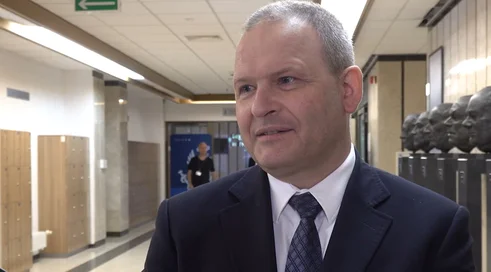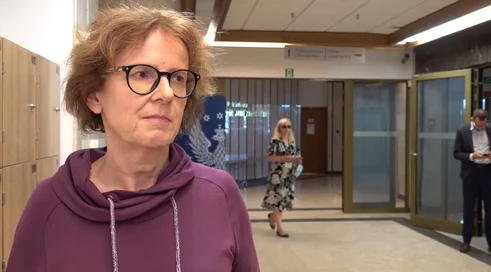
Prof. Piotr Galecki, national consultant in psychiatry, spoke about the need to expand access to a treatment program for depression during the Economic Forum in Karpacz on September 3. Depression is currently the leading cause of disability and incapacity worldwide.
Economic Forum in Karpacz
Drug-resistant depression is still a huge therapeutic challenge

Published Sept. 4, 2024 09:01

Mental illnesses are a significant and growing problem. Marek Kaminski, a traveler, polar conqueror, philosopher, founder of the Marek Kaminski Foundation and the Kaminski Academy dedicated to promoting and implementing programs that build mental resilience, the ability to cope with stress, pressure for results, difficult decisions, excessive responsibilities and professional burnout, stressed that the mental condition of society is declining. - In 2030, according to the WHO, depression will be the number one social disease. This is because prevention and building mental resilience are lacking, he pointed out.
Depression prevention is lacking
Prof. Agata Szulc, head of the Department of Psychiatry at Warsaw Medical University, spoke about the lack of a prevention program for mental disorders. - We have many prevention programs, but none of them deal with psychiatry, she lamented. Meanwhile, patients suffering from depression are increasing. It is estimated that about 1.5 million people suffer from it in Poland, with more than 80% of cases affecting the population aged 30-59. Depression is the leading cause of disability and incapacity worldwide. The social costs of depressive disorders in Poland related to lost productivity are estimated at PLN 1.2-2.6 billion annually.
Sevenfold higher risk of suicide
A therapeutic challenge is drug-resistant depression. We refer to it when, despite the use of two medications for long enough and in appropriate doses, there is no therapeutic effect. The results of a study published in the Journal of Clinical Medicine showed that of all people suffering from depression in our country, 25 percent struggle with drug-resistant depression. The risk of suicide in these patients is seven times higher. - These patients suffer from severe and moderate depression, which prevents them from being active at work. Therefore, effective treatment of drug-resistant depression is cost-effective," pointed out Prof. Piotr Galecki, national consultant in psychiatry.
Breakthrough in treatment of drug-resistant depression
Since the beginning of July last year, treatment of drug-resistant depression with esketamine has been available in Poland, as part of a drug program. - Poland is the sixth EU country with reimbursement for this drug. We are very happy about this, as it was usually the case that we were one of the last countries in this regard. It is also worth noting that this is the first drug program in Polish psychiatry," said Prof. Piotr Galecki.
Prof. Agata Szulc also stressed the importance of this program. Research confirms that esketamine works quickly and improves the condition in depression virtually immediately. The breakthrough is that she works quickly, effectively and for a long time up to 8-9 months.
Position statement of the Coalition to fight drug-resistant depression
Prof. Piotr Galecki admitted that the availability of esketamine in the drug program is only due to technical issues. - We ourselves imposed barriers to entry into the program, and as a result, some patients who could have benefited from this treatment were excluded, he explained. - Hence our move to change the requirements for access to the drug program, he added.
More than six months of operation of the program has allowed for the collection of preliminary experiences, which have been used to identify areas that need modification. These were presented in the Position Statement of the Coalition to Combat Drug-Resistant Depression, which included experts in psychiatry, pharmacoeconomics, public health. It stressed, for example, that a shortcoming is the omission of people with a first episode of depression with drug-resistant features. Besides, the definition of drug resistance only takes into account the lack of response to 2 consecutive antidepressants, while often 1 to 3 antidepressants are combined during a single treatment, or other recognized pharmacological treatments are used. Only patients with an episode lasting more than 6 months are included in the program, which can unnecessarily defer the inclusion of effective therapy and prolong the suffering of patients. Also problematic is the non-inclusion of patients with a history of addiction and other psychiatric disorders. For some people, addiction may be an old story from 15-20 years ago without a significant impact on current well-being and functioning
Urszula Szybowicz, president of the Board of Directors of the Nie Widać Po Mnie Foundation, informed that on the Foundation's website, patients with drug-resistant depression can get information on where the drug program is being implemented: https://niewidacpomnie.org/depresja-lekoop/
Topics
depresja lekooporna