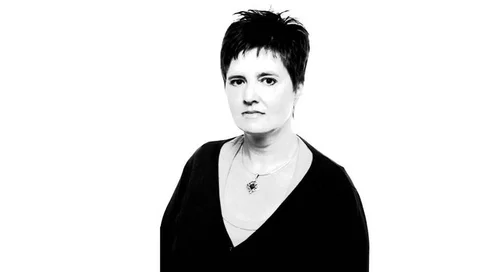
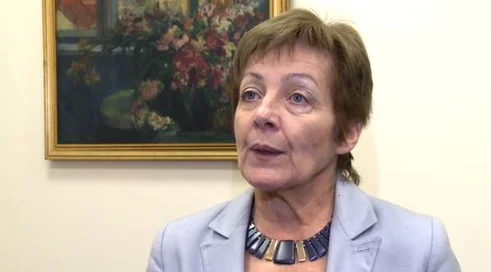
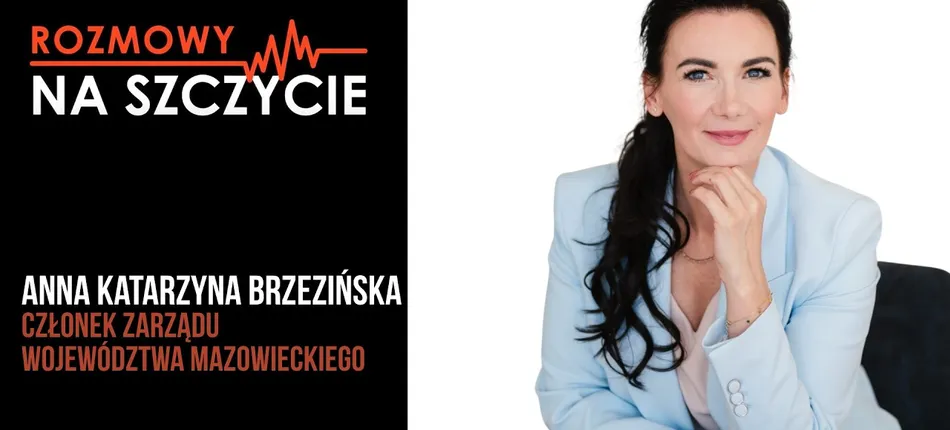
Support for seniors and people with disabilities, vocational activation, preventive programs and preparing the health care system for emergencies - these are the key challenges of social and health policy in Mazovia. In the next installment of the "Conversations at the Summit" series, Mazovian Voivodeship Board Member Anna Brzezinska talks about the local government's efforts to realistically improve the quality of life of the region's residents.
Summit Talks
From senior vouchers to tactical medicine - how Mazovia is preparing for social and health challenges

Published Feb. 24, 2026 10:52
Youtube
The Mazowieckie Voivodeship is facing growing social needs resulting from an aging population, disability, unemployment or social exclusion. As Anna Brzezinska, member of the voivodeship board, stresses, the key role in the support system is played by institutions operating closest to residents. - From the bottom up, it is the social assistance centers that are closest to people and it is they who carry out the tasks of basic care - direct contact, care services or providing basic benefits such as fuel or food, she stresses. The coordination of activities in the region is handled by the Mazovian Social Policy Center, which supports local institutions, initiates system and EU projects, and runs programs aimed directly at residents.
Seniors and local initiatives
One example is senior vouchers, which allow senior citizens to organize their own initiatives. - It's a project in which seniors can get involved, gather a group and carry out a local initiative - a trip or outreach activity, Brzezinska says. The program fosters social integration and counteracts loneliness among the elderly, especially those without family support.
Potential of people with disabilities
Anna Brzezinska has been involved for years in efforts to change the perception of people with disabilities in the labor market. As she points out, the key is to move away from a narrative of barriers to seeing potential. - We should stop thinking about barriers and start talking about how fantastic these people are and the potential we can develop in the labor market, she stresses. To this end, conferences and job fairs are organized to encourage employers to hire people with disabilities and to break down stereotypes. - The world is for everyone. We just need to lend a helping hand so they can realize their plans and dreams," he adds.
Lessons from Ukraine and health system resilience
The experience of the war in Ukraine has provided the impetus for reflection on preparing the health care system for emergencies. Cooperation with experts and representatives of Ukrainian health care showed how important the mental resilience of medical staff is. - We need to create the mental resilience of medics first, as they will be the ones at the forefront of the crisis," Brzezinska noted. Training in psychological support, tactical medicine, and preparing medical students and rescuers to act in emergency situations are planned. The facilities closest to the eastern border are to be covered first.
Prevention as an investment
Marshal stresses that one of the most important courses of action is health prevention and building public awareness. - Prevention can not only save lives, but builds responsibility for health in us, which translates into lower medical costs in the future, he says. Numerous programs are being implemented in the region, including eye examinations of residents as part of the "Good Sight of Mazovians" project, measures for the early detection of diseases in children, and programs on childhood obesity. - We will examine children first, and if there is a need for treatment, we will create a place to continue it, he announces.
Mental health and health education
The local government is also developing mental health and health education programs, working with community partners and organizations to increase the availability of support for residents. These activities are part of a broader strategy to build a socially and health resilient region, where, as the marshal stresses, every resident should have the chance to live with dignity and access support. - Taking care of health is fundamental. We shouldn't be afraid of diagnosis - we should want to get it as soon as possible," Anna Brzezinska concludes.