"No new restrictions or mandatory preventive measures are planned in the near future," the Chief Sanitary Inspectorate reports in a press release. This is in response to media speculation about the possibility of a return to mandatory wearing of protective masks due to the increasing number of COVID-19 infections.
GIS: recommendations on COVID-19 are still the same

Published Aug. 23, 2024 09:44

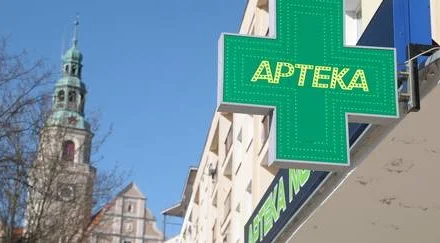
Fot. iStock/Getty Images
According to GIS, indicators of increased SARS-CoV-2 activity have been observed in the European region since May 2024. The rate of the current wave of cases varies from country to country, but in general the current wave began about 4-6 weeks earlier than 2023.
"In Poland, a clear increase in the number of infections has been recorded since July 2024, while the dynamics of infections are comparable to last year. New variants of SARS-CoV-2 OMICRON (subvariants JN.1 and KP.3) dominate. There is currently no basis to claim that they are associated with increased severity of infection or significantly reduce the effectiveness of vaccines. The group most at risk of complications and hospitalization are those aged 65 and older and patients with chronic concomitant diseases," the release reads.
GIS assures that together with the Ministry of Health, national consultants and other experts and scientific research institutes, it is actively monitoring the current situation and working on joint recommendations.
"The changing epidemiological situation makes it necessary to prepare the health care system for the increased burden of higher incidence, as well as to increase the public's knowledge and awareness of vaccination and non-pharmacological methods of reducing virus transmission in the population," GIS points out.
Existing recommendations and recommendations for actions with proven effectiveness in reducing the transmission of respiratory-transmitted viruses (including coronaviruses, influenza, RSV) have not changed and include:
- Vaccination in risk groups with available vaccines;
- Home isolation of people with confirmed infection for the duration of persistence, symptoms, as long as they do not require medical attention;
- The possibility of a medical consultation in the form of a teleportation;
- Performing a rapid diagnostic test (antigen test) under conditions, either at home or during a medical consultation;
- Keeping a distance when dealing with a sick person;
- covering the mouth and nose when coughing and sneezing with a disposable handkerchief, possibly in the bend of the elbow;
- protection of the nose and mouth with a medical mask by infected people who are in closed rooms with other people without the possibility of distance (e.g., waiting room in a clinic, pharmacy);
- protection of the nose and mouth with a medical mask by uninfected persons residing in confined spaces where there is a risk of close contact with an infected person;
- More frequent hand hygiene, especially after contact with surfaces that may have been contaminated with infectious material (e.g., handrails, switches, handles, basket handles).
The above recommendations are recommendations and, contrary to sensationalist media reports, are not new or imply any restrictions. The recommendations are not mandatory, and their application should be tailored to the level of risk of infection.
Elaborated. based on GIS | gov.pl