"This is long-awaited news" is what experts interviewed by Medexpress say about the government's adoption of the Rare Disease Plan yesterday. We collected comments from clinicians and representatives of the patient side.
The government has adopted a Plan for Rare Diseases [EXPERT COMMENTS].

Published Aug. 14, 2024 12:36
![The government has adopted a Plan for Rare Diseases [EXPERT COMMENTS]. - Header image](https://cdn.medexpress.pl/media/images/Gmach_Kancelarii_Prez.2e16d0ba.fill-950x430.format-webp.webp)
Fot. Adrian Grycuk - Praca własna, CC BY-SA 3.0
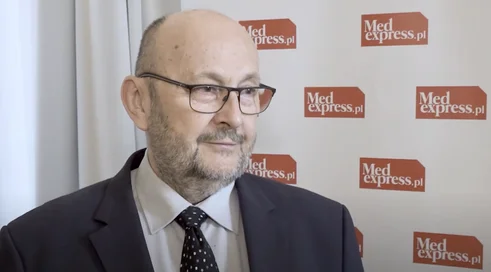
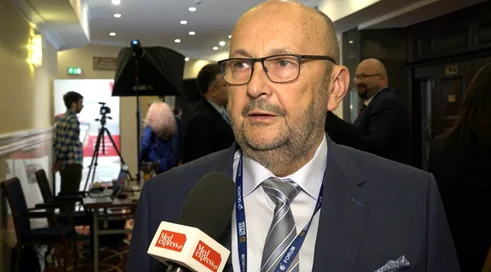
Prof. Zbigniew Żuber, pediatrician and rheumatologist, head of the Second Clinical Ward for Older Children with Neurological and Rheumatological Subdivisions in Cracow, chairman of the Expert Council on Rare Diseases of the "Medical Rationale of State."
It is a great joy for me that we have renewed interest from the government. This is excellent news especially for our patients and their families. Rare diseases are a huge problem, affecting about 2.5 million people in Poland. We have waited 11 years to implement the Rare Disease Plan. Our work so far has not been in vain and will be the basis for further action. In my opinion, the most important elements are improving care and improving the availability of genetic testing. This is extremely important, and we want to create reference centers that will give the opportunity to perform in-depth diagnostics, including with the possibility of using the latest genetic methods. We have huge deficiencies in this in Poland today. We would also like it not to be a problem to treat the patient where he or she wants to be treated, not where the National Health Fund will designate. This is also one of the main problems today.
Prof. Konrad Rejdak, president of the Polish Neurological Society:
This is very good and long-awaited news. From the point of view of neurology, this is an extremely important step. Let's remember that 2/3 of rare diseases are diseases involving the nervous system. This is a large number of patients who are waiting for help. Early diagnosis in children will make it possible to recognize these diseases quickly. However, let's also remember patients who reach adulthood and have not had a diagnostic pathway indicated for years. Many of them still do not have a diagnosis. Meanwhile, targeted therapies that target specific pathogenetic mechanisms, for example, are already emerging. I think such a plan can play a huge role in raising the standard of care for patients with rare diseases.
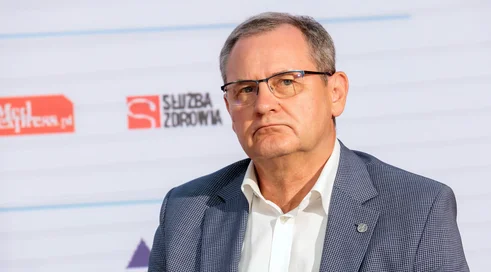
Stanislaw Maćkowiak, president of the Federation of Polish Patients (FPP):
This is an extremely important decision. Since 2013, it was impossible to adopt this plan. There were several versions of it being prepared. A lot of work went into preparing the last one, the one from 2021. I hope that this plan, which was adopted yesterday, will be the one that will finally be implemented. It is so important because it is a systemic solution to rare disease care. This plan deals with medical security, but in the near future other elements are to be developed, related to social security or education, among other things, a law will be drafted, concerning rare diseases. However, the introduction here and now of this first element, namely medical security, is crucial for patients. First of all, it is diagnosis. In rare diseases, it takes an average of 6-7 years. Imagine what the diagnostic odyssey means for such a patient. Today he meets an average of 10 to 14 specialists before diagnosis. Systemic solutions are to be or not to be for patients. I hope it will finally be a "to be".