The health debt in cardiology triggered by the pandemic has hit patients with heart failure the most. In the opinion of cardiologists, it can be repaid the fastest by implementing comprehensive care for patients with this disease and new drugs recommended in the latest guidelines of the European Society of Cardiology (ESC).
How to pay off health debt in cardiology?

Published Jan. 16, 2022 21:13

Thinkstock/GettyImages
Heart failure is a condition in which the heart is unable to pump enough blood to the organs in our body. It is considered to be the end stage of various cardiological diseases, including heart attack, coronary artery disease, and congenital or acquired heart defects. Due to the more and more effective treatment of these diseases and the prolongation of patients' lives, the number of people with heart failure is growing. In developed countries, including Poland, it has already taken on epidemic proportions.
MAIN CAUSE OF THE DEATH OF POLES
According to the data provided in the report from 2021 entitled "Heart Failure in Poland. Realia, costs, suggestions for improving the situation ”, which was created in the initiative of patient organizations associated under the Alliance of Cardiac Organizations - Together for the Heart, over 1.2 million people with heart failure live in Poland. The average age of a person suffering from heart failure was 75 in 2018, but every tenth patient is under 60 years of age.
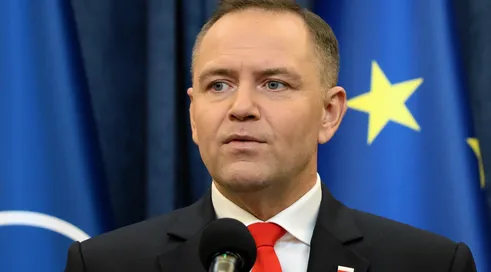
"Heart failure is the main cause of death among Poles - it is responsible for 10 percent. all deaths in our country "- says the national consultant in the field of cardiology prof. Jarosław Kaźmierczak. Importantly, in 2018 the number of deaths in patients with heart failure exceeded the number of new cases of the disease.
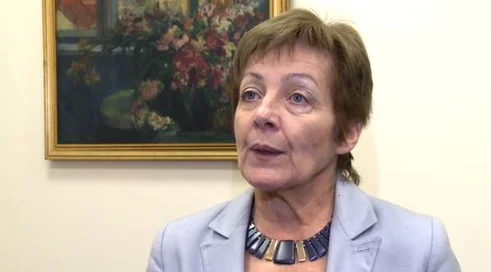
Every hour 16 people die of diagnosed heart failure. Over 40 percent patients have not survived for 5 years since its diagnosis. "Patients with heart failure who are not properly treated have a very poor prognosis, similar to most cancer patients" - emphasizes prof. Jadwiga Nessler, head of the Clinical Department of Coronary Disease and Heart Failure with the Subdivision of Intensive Cardiac Surveillance, Krakow Specialist Hospital. John Paul II.
HEALTH DEBT TO PAY
The fact that in Poland heart failure is not treated optimally is demonstrated by the highest rate of hospitalization of patients with this disease in OECD countries. In 2018, it was 2.5 times higher than the average for this group of countries. Meanwhile, hospitalization indicates poor disease control, including suboptimal pharmacological treatment. The analyzes show that each subsequent exacerbation of the disease, followed by hospitalization, shortens the life of a patient with heart failure. "It has been calculated that statistically 4-5 exacerbations lead to the patient's death" - says prof. Kaźmierczak.
The NHF data shows that in 2014-2019 the number of hospitalizations due to heart failure in Poland increased by 43%. In 2019, PLN 1.6 billion was allocated to them. This means an increase in hospitalization costs by 125%. in just 5 years.
Prof. Kaźmierczak emphasizes that the pandemic additionally worsened the situation of people with heart failure. It also results in a greater number of people being diagnosed in a more advanced stage of the disease.
"The health debt in cardiology results from the fact that during a pandemic, patients did not report to a doctor quickly - either out of fear or due to poorer access to health care, they were later diagnosed and treated less well" - explains the cardiologist.
For example, according to a survey conducted in 10 Polish centers at the beginning of the pandemic in 2020, the number of invasive cardiology procedures used in the treatment of STEMI (with ST segment elevation) decreased by about 13%, and in NSTEMI (without ST segment elevation) - by 27%
The result of all these problems is an increase of 17%. the number of deaths in Poles from cardiovascular causes in 2020 compared to the previous year.
"Health debt in cardiology is manifested not only by an increase in mortality, but also by the fact that the number of patients with heart failure is increasing. Delays in the treatment of a heart attack during a pandemic will translate into a faster onset of heart failure and an increase in the number of patients suffering from it. Younger patients with neglected, more advanced heart failure or diagnosed for the first time, but lasting for 1.5 years are more and more often admitted to the hospital "- explains Prof. Kaźmierczak.
In his opinion, if quick action is not taken, the health debt in the field of cardiology, especially in heart failure, will increase.
HOW TO PAY YOUR DEBT QUICKLY?
Prof. Kaźmierczak believes that in order to improve the prognosis of patients with heart failure and start paying off the health debt in this disease, it is necessary to introduce comprehensive patient care, finance new drugs and vaccinate patients with heart disease on COVID-19.
“In Poland, there is no continuous care for a patient with heart failure. After an exacerbation, the patient is discharged home and often does not have access to proper outpatient care ”- emphasizes Prof. Nessler. The cardiologist reminds that the Polish Society of Cardiology has for many years been preparing a project of comprehensive care for patients with heart failure - KONS for short, which is able to change this.
In November 2018, the then minister of health, Łukasz Szumowski, and the president of the Polish Cardiac Society, prof. Piotr Ponikowski inaugurated a two-year pilot of this program. It was supposed to cover about five thousand. patients at six co-ordination centers. "We have beautiful photos from this event, unfortunately the program has not yet entered into force" - emphasizes prof. Kaźmierczak.
Another equally important change, according to experts, would be financing modern drugs for patients with heart failure. Prof. Kaźmierczak emphasizes that drugs are the basis in the therapy of patients with heart failure.
“A serious problem is the fact that our patients do not have access to reimbursement for all medications recommended in the treatment of heart failure. This is of great importance right now, in the age of a pandemic, when the patient rarely has the opportunity to contact a doctor, and if he is already hospitalized, it is crucial to implement all the therapies that he should receive according to the current knowledge "- explains Prof. Nessler.
At the ESC Congress on August 27, 2021, new recommendations for the treatment of patients with chronic heart failure were presented ("Heart Failure Guidelines 2021"). “We have four groups of drugs that form the foundation of therapy. Among them, a new group of drugs has appeared - phosins (dapagliflozin and empagliflozin), which significantly change the clinical course of heart failure "- says Prof. Nessler. Dapagliflozin was registered in Europe in November 2020, so for over a year now, cardiologists in Poland have had experience with the use of this therapy in patients with heart failure, the effect of which is visible after a month of use. Empagliflozin has also been registered for six months.
In clinical trials, phlosines have obtained very good results. It turned out that they reduce the frequency of hospitalization due to heart failure by 1/3, and dapagliflozin additionally reduces the risk of cardiovascular death statically significantly and from any cause by almost 1/5. “Currently, the most advanced reimbursement process concerns dapagliflozin. We hope it will end positively for patients, ”says the national cardiology consultant. She adds that these drugs are used at home, which is also of great importance in the pandemic era.
Experts also point out the lack of reimbursement of complex therapy, which includes sacubitril and valsartan. Efforts to obtain reimbursement of this treatment have been going on for several years.
“Both drug reimbursement and the KONS program can be implemented quickly. When it comes to coordinated care, everything is prepared. Here it would be enough to start the implementation, as in the case of the KOS-Zawał program. We really have wide possibilities at the moment and if we doctors could give all of these to our patients with heart failure, it would certainly be possible to reduce the number of hospitalizations and make the patients treated mainly at home ”- emphasizes Prof. Nessler.
Prof. Kaźmierczak adds that it is also crucial to vaccinate patients with heart failure against COVID-19. Vaccinations cause a milder course of the disease and significantly reduce the risk of death.
"If you fail to implement all these recommendations, the health debt in heart failure will increase. This means that mortality and the cost of its treatment will also increase, "concludes the national cardiology consultant.