Nearly 60 percent of patients in Poland who needed mental health support did not seek help, fearing stigma. There are only nine psychiatrists per 100,000 residents, and the average waiting time for an appointment is 117 days. - We recommend integrating mental health services into primary health care, where the most common mental problems can be successfully treated, WHO's Nino Berdzuli stresses.
Most Poles with mental health problems do not seek help for fear of being stigmatized

Published Dec. 27, 2023 11:25
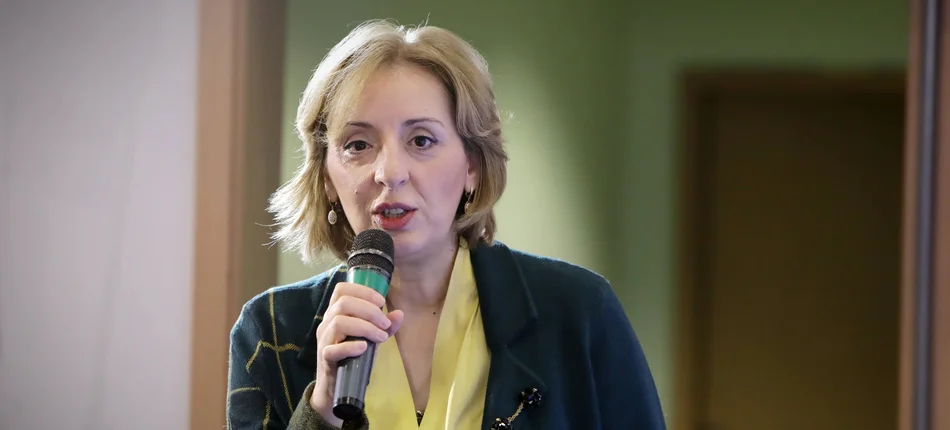
- Mental health is a significant challenge for our society, for everyone in Europe. We are seeing a recent increase in the prevalence of mental health conditions and pressure on the mental health system, especially after the COVID-19 pandemic," says Nino Berdzuli, director of the World Health Organization's Office in Poland, WHO's special envoy for activities for Ukrainian refugees in host countries.
UN figures show that depression affects 280 million people worldwide. Even before the outbreak of the pandemic, statistics on mental health problems were dramatic, and lockdown, social isolation and the stress of the epidemic situation have made them even worse.
According to Headway's report "A new roadmap in Mental Health," the incidence of conditions such as anxiety disorders and major depressive disorder increased by more than 25 percent during the pandemic. In Europe, the trend is also exacerbated by the ongoing war in Ukraine, economic recession, geopolitical crises and advancing climate change. Experts estimate that by 2030, mental health disorders will account for more than half of the global economic burden from non-communicable diseases. As described in the report, the increase in cases of anxiety and depressive disorders during the pandemic is partly due to the fact that patients were unable to access mental health services (19 percent of respondents indicated so). In order to effectively treat those in need, more emphasis must be placed on the capacity of health systems.
- The WHO has issued recommendations and guidelines toward improving regulations for the provision of mental health care and improving mental health services for the public. One of the WHO's recommendations is to create an integrated model of mental health care, with primary care centers playing a very important role in these services , the expert points out.
According to the WHO, integrating mental health services into primary health care is one of the most effective ways to reduce unmet mental health needs - by identifying people at risk early, conducting rapid assessments and facilitating referrals to services. This is also the goal of the Mental Health Gap Action Program (mhGAP), which was launched in October through a collaboration between the World Health Organization and the Institute of Psychiatry and Neurology and the Ministry of Health. The program enables GPs to gain the knowledge and skills to recognize the symptoms of common mental health disorders, such as depression, stress, addiction and suicidal thoughts. Initially, the pilot program was planned for the Podlaskie and Mazowieckie provinces, with the idea of expanding it to the other provinces.
According to WHO, mhGAP has already been implemented by more than 100 countries, and Poland is the last country in the European region to do so. The scale of the need here, however, is much greater. For example, Poland spends 3.7 percent of its health sector budget on mental health care, less than other European countries. There are nine psychiatrists per 100,000 residents, which significantly increases the waiting time for specialist help. The average waiting time at NHF facilities is 117 days. In addition, nearly 60 percent of patients in Poland who report needing mental health support say they do not seek help due to stigma.
- WHO is working closely with the Institute of Psychiatry and Neurology and the Ministry of Health to integrate these services into primary health care. The idea is that general practitioners will be able to meet the unmet needs of the population in mental health, neurology and psychosocial support, Nino Berdzuli points out. - We also recommend creating a transparent mechanism for referrals from primary care to community clinics, specialized mental health clinics and tertiary care.
For the past five years, the Ministry of Health has been building a new model of psychiatric care based on a community-based model, that is, the provision of health services close to home. The pilot mental health centers being established are shifting the burden of institutional care to that provided in the community and home environment. This, in turn, helps reduce the number of hospitalizations, and patients receive care faster, without referral and close to home. These include visits to an outpatient clinic, stays in a day or 24-hour ward, or support from a community treatment team.
- Due to the increase in the prevalence of mental health conditions, we see that the system of services in this area is overstretched, we see pressure on the mental health system throughout the WHO European region. That is why it is so important to make these services more accessible to the community, to integrate mental health services into primary health care , the WHO representative argues.
Simultaneous work is also underway on reforming child and adult psychiatry. The new model was introduced in August 2019. WHO points out that children in Poland have one of the lowest rates of mental well-being, but one of the highest rates of suicide attempts in Europe. In 2022, their number increased by 148 percent compared to 2020.
Source: Newseria