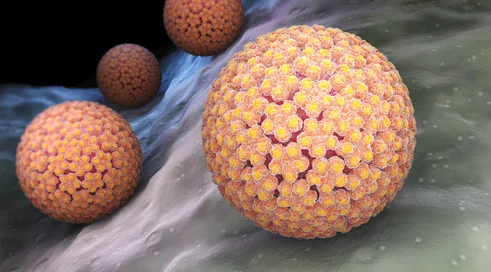
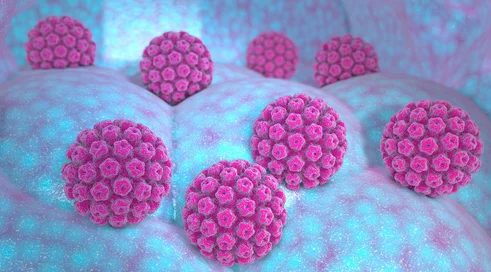
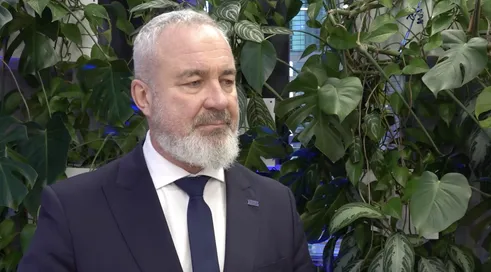
One diagnosis can turn life upside down - insomnia, panic, black scenarios. Meanwhile, HPV in most cases does not lead to cancer, and thanks to vaccinations and modern tests, cancer can be effectively prevented. So why are we still so afraid of it? Aga Szuścik, a health educator, talks about what really threatens patients today in an interview with Medexpress.
There is a vaccine for this cancer. But Polish women are afraid

Published Dec. 5, 2025 08:00
Fot. iStock/Getty Images
HPV education is clearly accelerating in Poland, but, as Aga Szuścik, an educator and oncology patient, points out, we still face enormous challenges. - The topic is coming up more and more thanks to foundations, the media, educators and politicians. We are moving in the right direction," she said in an interview with Medexpress.
The coming years will be crucial, especially for combating misinformation about HPV vaccination and for understanding the new screening rules. - In 2026, raising awareness that HPV vaccination is safe and protects against cancer will be key, he stresses. Equally important is explaining why the HPV test is gradually replacing cytology as the first-choice test.
Patients' doubts abound. - Women wonder why they should take an HPV test instead of cytology and whether a test once every five years is too infrequent, says Szuścik. Meanwhile, the HPV test is more accurate and can detect the risk at a very early stage. If the result is negative, cancer has virtually no right to develop for another five years.
The greatest number of myths still relate to vaccinations. - Parents not infrequently reason along the lines of: "I'm not sure about the vaccine, so I won't vaccinate just in case" - not realizing that by doing so they are abandoning protection just "just in case" - protection against many malignancies, she stresses. For her, it's a personal topic. - I went through cervical cancer and I don't wish for any parent what mine went through in this context," she adds.
Misunderstandings are also growing around the infection itself. A common myth is that HPV is only transmitted during intercourse. - For infection with a viable oncogenic type, penetration does not have to occur! It is enough, for example, to transfer genital secretions to the genitals, even by hand, and such contacts in young people occur earlier than penetrative sex," explains Szuścik. That's why vaccination is best done before the first possible exposure to the virus, although, he points out, it still makes sense in adults as well.
Bad system fails to inform patients
One of the biggest deficiencies in patient care is proper information after diagnosis. - Every week I get more than a dozen messages from women who are terrified because they found out about the infection. They think cancer is a matter of time, they don't sleep, they cancel vacations, " she says. - The infection is very common - 4 out of 5 sexually active people will become infected with HPV at least once in their lives, and in most cases the immune system will fight the virus on its own in a maximum of 2 years, the educator explains.
Szuścik stresses that a positive HPV result is not a judgment, but a signal for action. - It is important information that requires action, but it is neutral, she points out. He also cautions against "miracle" treatments. - There is also nothing to fall for special supplements or diets for HPV - with infection, a healthier lifestyle is key, he continues.
- HPV is not cancer, and cancer does not have to be a sentence - I am an example of this. It is necessary to talk about health calmly, honestly and without scaring. Only then does education really work," concludes Szuścik.