The NIL Board of Experts has issued a position statement opposing the use of long-term antibiotic therapy for patients diagnosed with Lyme disease, known as the "ILADS" method. As the Chamber points out, this therapy has insufficient clinical basis and is associated with many side effects.
NIL: "No" to long-term antibiotic therapy in Lyme disease

Published July 26, 2023 11:14
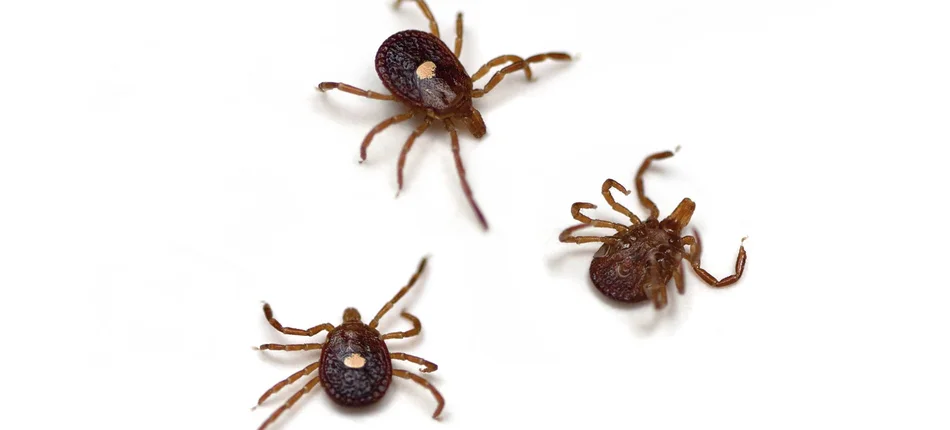
Fot. Thinkstock/Getty Images
In its position, the NIL Expert Council stresses that all recommendations for chronic treatment with the "ILADS" method are developed on the basis of very low-quality medical evidence. The Expert Council negatively assesses the "ILADS" method itself and warns against its use, which contradicts ethics and the legal obligation to practice medicine in accordance with the indications of current medical knowledge.
"Antibiotics in infectious diseases should be used with due caution and only in accordance with the treatment guidelines for the disease entity in question. An example of this is the association of a variety of non-specific symptoms in individual patients with the presence of antibodies (both IgM and IgG classes) to Borrelia antigens and the attribution of these symptoms to Lyme disease infection without expanded diagnostics and confirmation of the diagnosis. Such behavior can lead to a hasty overdiagnosis of Lyme disease cases and reduces the diagnostic vigilance necessary to diagnose other disease entities, often requiring completely different treatment," the position statement reads.
A corollary to this approach is the use of combination, long-term (more than 6 weeks, often more than one year) antibiotic therapy in patients who have been diagnosed with Lyme disease. This therapy is often referred to as the "ILADS method," the basis of which is a publication on Lyme disease (Lyme disease) titled "Evidence Assessments and Guideline Recommendations in Lyme Disease: The Clinical Management of Known Tick Bites, Erythema Migrans Rashes and Persistent Disease" from 2014. Practitioners using chronic antibiotic therapy for Lyme disease cite this publication as the basis for its use.
"The publication specifies that all recommendations for chronic or repeated treatment were developed on the basis of very low quality medical evidence (very low quality evidence), and the described strength of the recommendations is due to the fact that the benefit-risk analysis indicates that most patients (not doctors) would make the same decision. Evidence of this quality absolutely cannot form the basis for recommendations or models of therapeutic management for particular conditions," NIL submits.
Doctors warn that such chronic and clinically unsubstantiated antibiotic therapy is associated with many side effects (disruption of human intestinal flora and Clostridum difficile infections, liver damage, kidney damage, bone disorders, tendonitis and many others). A threat to the general population also arises from the rise of antibiotic resistance, resulting from the elimination of antibiotic-sensitive bacteria and the facilitation of the expansion of antibiotic-resistant strains.
Below is the full text of the post:
Position of the NIL Expert Council on the use of chronic outpatient antibiotic therapy in infectious diseases with special emphasis on Lyme disease
In connection with the increasingly observed inappropriate use of chronic antibiotic therapy in the presence of antibodies directed against selected pathogens (which has become commonplace precisely in the case of the presence of antibodies against Lyme disease), the NIL Expert Council reminds that antibiotics in infectious diseases should be used with due caution and only in accordance with the guidelines for the treatment of the disease entity in question. An example of this is the association of a variety of non-specific symptoms in individual patients with the presence of antibodies (both IgM and IgG classes) to Borrelia antigens and the attribution of these symptoms to Lyme disease infection without expanded diagnostics and confirmation of the diagnosis. This behavior can lead to a hasty overdiagnosis of Lyme disease and reduces the diagnostic vigilance necessary to diagnose other disease entities, often requiring completely different treatment.
A corollary to the management described above is the use of combination, long-term (more than 6 weeks, often more than one year) antibiotic therapy in patients who have been diagnosed with Lyme disease. This therapy is often referred to as the "ILADS method," the basis of which is a publication on Lyme disease (Lyme disease) titled "Evidence Assessments and Guideline Recommendations in Lyme Disease: The Clinical Management of Known Tick Bites, Erythema Migrans Rashes and Persistent Disease" from 2014. Practitioners using chronic antibiotic therapy for Lyme disease cite this publication as the basis for its use.
It should be strongly emphasized that the above-mentioned publication specifies that all recommendations for chronic or repeated treatment were developed on the basis of very low quality medical evidence (very low quality evidence), and the described strength of the recommendations is due to the fact that the analysis of benefits and risks indicates that most patients (not doctors) would make the same decision. Evidence of this quality absolutely cannot form the basis for recommendations or models of therapeutic management for particular conditions. In addition, such chronic and clinically unsubstantiated antibiotic therapy is associated with many side effects (disorders of human intestinal flora and Clostridum difficile infections, liver damage, kidney damage, bone disorders, tendonitis and many others). A threat to the general population also arises from the rise of antibiotic resistance resulting from the elimination of antibiotic-sensitive bacteria and the facilitation of the expansion of antibiotic-resistant strains
Due to the lack of sufficient scientific evidence of the efficacy of ILADS and the numerous side effects of chronic antibiotic therapy (>4-6 weeks) in Lyme disease, the NIL Expert Council negatively evaluates such treatment and warns against its use. The use of this method is incompatible with the ethical and legal imperative to practice medicine in accordance with current medical knowledge.
The presence of antibodies to Lyme disease in both the IgG and IgM classes is only evidence of past infection and cannot be used to assess its activity.
Treatment with antibiotics simply because of the presence of antibodies is a course of action that is inconsistent with current medical knowledge, and therefore incorrect.
The treatment of Lyme disease should be carried out in accordance with the principles of evidence-based medicine and recommendations in line with the current state of medical knowledge defining precisely the type and length of treatment used, for example, recommendations of the Polish Society of Epidemiologists and Doctors of Infectious Diseases (http://www.pteilchz.org.pl/informacje/rekomendacje/)