Katia was on her way to the hospital for an urgent surgery on her 17-year-old daughter Alinka, who is suffering from bone cancer, when Russia invaded Ukraine. A doctor from the Kiev National Institute of Oncology called them and advised them to return home for their own safety. Soon it was clear to the family that the only option for continuing treatment was going abroad.
Not only the war with the occupant. Katia's story

Published March 8, 2022 15:34
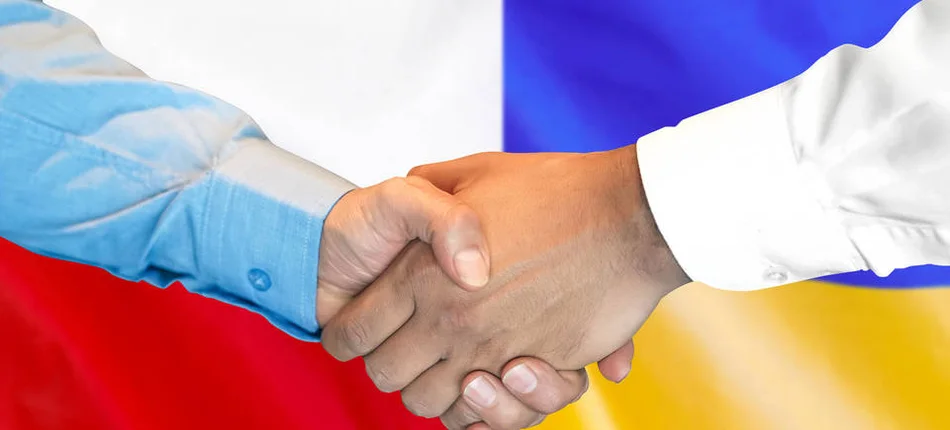
Fot. Getty Images/iStockphoto
"We made the decision without hesitation, because for us now there is not only a war with the occupiers, but also a war for our child's life," said Katia. She and her daughter are now in Warsaw awaiting further treatment of Alinka, whose condition is assessed by doctors as stable.
Katia and her daughter are among over a million people who fled to Poland from Ukraine to save themselves from the war. Another 700,000 refugees went to neighboring countries such as Romania and Moldova. According to United Nations estimates, four million people could ultimately escape.
The World Health Organization (WHO) has warned that a massive exodus from Ukraine raises the risk of a health crisis that will not be limited to one or two countries in Europe.
In wartime, a health crisis - lack of access to hospitals and treatment, malnutrition, and the like - is a more common cause of death than bombs. Hospitals are already running out of basic medications, and neonatal units have been moved to basements to shelter from bombings.
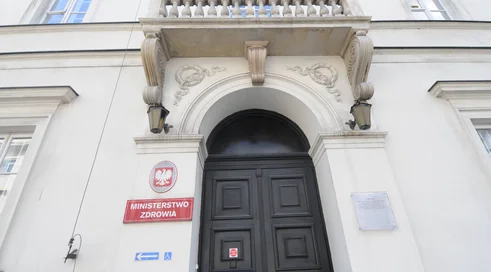
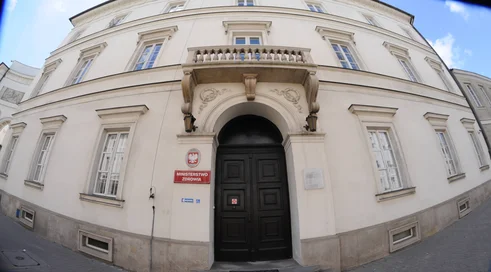
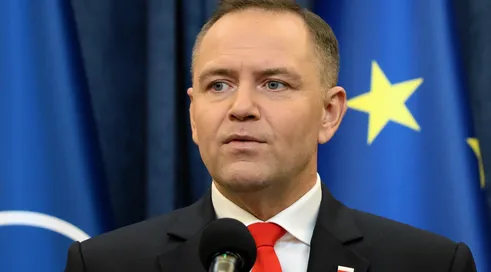
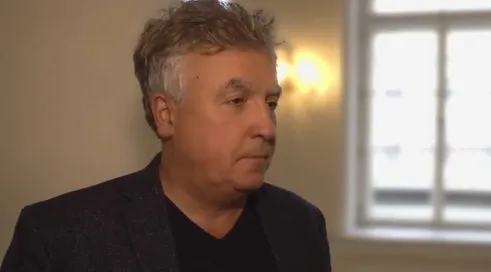
There is now concern that the influx of refugees into neighboring countries will put their health systems on the brink. WHO Europe director Hans Kluge said that health services in Poland, Slovakia, Romania and Moldova have been doing well so far. But - as he added - this is the state for today. What will be tomorrow? The tipping point seems to be imminent, if only because the number of beds and doctors will not double overnight, especially in health systems that have already been burdened by two years of the COVID-19 pandemic. “We can say that we will treat all Ukrainian children, but I'm afraid it's just not realistic. We will provide them with the best possible help, but we cannot work miracles "- said Prof. Ernest Kuchar, specialist in infectious diseases, head of the Pediatrics Clinic with the Observation Department of the Medical University of Warsaw, Ernest Kuchar. According to the Ministry of Health, hospitals are able to serve around 7,000 patients from Ukraine. Up to a million new potential patients would overburden the healthcare system in any country, according to Kate White, emergency program manager for Doctors Without Borders.
In the short term, international humanitarian agencies, national governments and volunteers are trying to send trauma kits, essential medicines and ambulances to border crossings with Ukraine. So far, there are no field hospitals on the border of Hungary, Poland, Slovakia or Moldova.
The European Union, which has granted Ukrainian refugees the right to temporary stay - including access to medical care - is also working on helping the Member State of Poland. Most importantly, however, humanitarian partners felt that long-term solutions were needed. The biggest challenge so far has been the patients who, when escaping to Poland, did not take, for example, medical documentation with them. According to the latest estimates of the World Health Organization, among the citizens of Ukraine there are 2.3 million people with diabetes, 250,000 HIV patients and about 160,000 cancer patients. And the coronavirus? In Warsaw, said prof. Kuchar, nearly every refugee child arriving at his hospital tested positive for COVID-19, possibly due to the conditions in which they fled Ukraine, where before the war there were an average of around 27,000 new cases of coronavirus per day, and only 35%. vaccinated population.
Mental health is another health area that is about to face major challenges. The war trauma will not disappear overnight.
Katia's husband and her three children remain in Ukraine. The woman is desperately worried about their safety and life, but she is also worried about Alinka's treatment. What can he do in this situation? She answers to herself: "I have to hold on."
Source: Reuters
Topics
Ministerstwo Zdrowia / wojna / ukraina / COVID-19 / Ernest Kuchar / Україна / leczenie uchodźców