The Ministry of Health has presented a draft reimbursement list, which is to apply from November 1. We ask Deputy Minister of Health Maciej Miłkowski and patient organizations about the priority changes that should be introduced in the reimbursement lists in the near future.
November reimbursement list. The plans of the department and the expectations of patients

Published Oct. 20, 2022 11:22
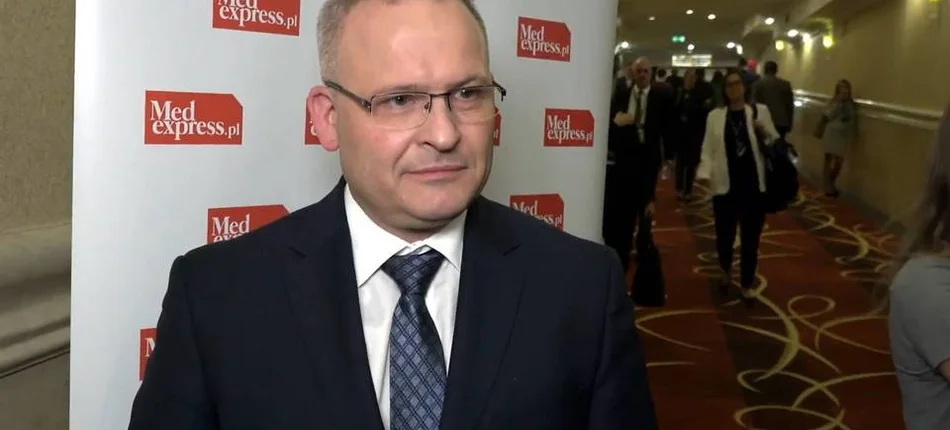
- We have a large range of therapies planned for the next two announcements that did not fit on the previous list. It goes, among others o treating multiple sclerosis and completing the drug program for atopic dermatitis. A lot will also happen in oncology and hematology. From January 1, there will be renewals and new indications in lung cancer. We will also try to implement several new therapies in breast cancer, says Deputy Health Minister Maciej Miłkowski in an interview with Medexpress. As he adds, if it is not possible to introduce all the planned changes in the next two reimbursement lists, they will be proposed in the next ones.
LUNG CANCER
Lung cancer is the most common malignant neoplasm in Poland and the first cause of death from neoplastic diseases. The treatment of choice for patients diagnosed at an early stage of the disease is complete resection of the primary tumor, which, although used with the intention of curing, ends in a relatively frequent relapse. A breakthrough drug for patients with noncellular lung cancer (NSCLC) with a mutation in the EGFR gene, osimertinib, which reduces the risk of recurrence or patient death by up to 80%.
- The latest data show that nearly 3 out of 4 patients treated with osimertinib did not relapse 4 years after tumor resection. So it is a chance for life that patients with non-small cell lung cancer have not had so far - says Aleksandra Wilk, coordinator of the Lung Cancer Section of the Foundation "This is healing".
Now only a few hundred patients with advanced disease have reimbursement access to osimertinib.
- Now, for the first time in history, we are talking about personalized adjuvant treatment. It is the realization of lung cancer patients' dreams of a permanent recovery from the disease, which is why we are waiting impatiently for it to become a standard of treatment also for our patients - points out Aleksandra Wilk.
Hematooncological diseases
Hematologists and their patients are waiting primarily for the extension of the first-line treatment in chronic lymphocytic leukemia with Bruton's kinase inhibitors - akalabrutinib and ibrutinib, for patients with poor prognostic factors, and therefore with a high risk of progression. This need was highlighted at the last meeting of the Standing Subcommittee on Oncology by both medical experts and patient organizations.
- We see very good cooperation between prof. Ewa Lech-Marańda, national consultant in the field of hematology, and the Ministry of Health, therefore we hope that this cooperation will bring good reimbursement decisions for patients with CLL. In the case of chronic lymphocytic leukemia, changes are planned to create a single drug program. This will certainly put the existing criteria in order and make patients have easier access to therapy - says Katarzyna Lisowska, representative of the Hematooncology Association.
The second group of patients who are still waiting for the introduction of modern therapeutic solutions are patients with myelodysplastic syndromes.
- They are waiting for the reimbursement of a drug that could significantly reduce or even completely eliminate blood transfusions. Blood transfusions improve the patient's condition for a short time, and have a number of negative effects - e.g. iron overload. We hope that the situation of these patients will change in the near future - emphasizes Katarzyna Lisowska.
- There is little need for the treatment of patients with blood cancers in Poland to be even better, close to European standards. It is enough, among others supplement the first lines of treatment, and thus open access to modern therapies immediately after diagnosis, which is crucial for the patient's prognosis. It is about chronic lymphocytic leukemia and first-line access to Bruton's kinase inhibitors, but also to move brentuximab vedotin to the first-line treatment of patients with anaplastic lymphoma. We also need to merge drug programs in chronic lymphocytic leukemia, which will allow us to create a standard of treatment for this cancer in Poland - says Aleksandra Rudnicka, spokeswoman for the SANITAS Association