Overweight and obesity are an increasingly serious problem in Polish children, according to a study conducted by the Institute of Mother and Child on a group of over two thousand eight-year-olds in connection with the Covid-19 pandemic. The results are particularly worrying, as 5 percent. the increase in the percentage of overweight and obese children compared to that recorded in 2016-2018 is significant.
Overweight, obesity and hypertension. These are more and more common problems even in the few-year-olds

Published Nov. 2, 2022 13:41
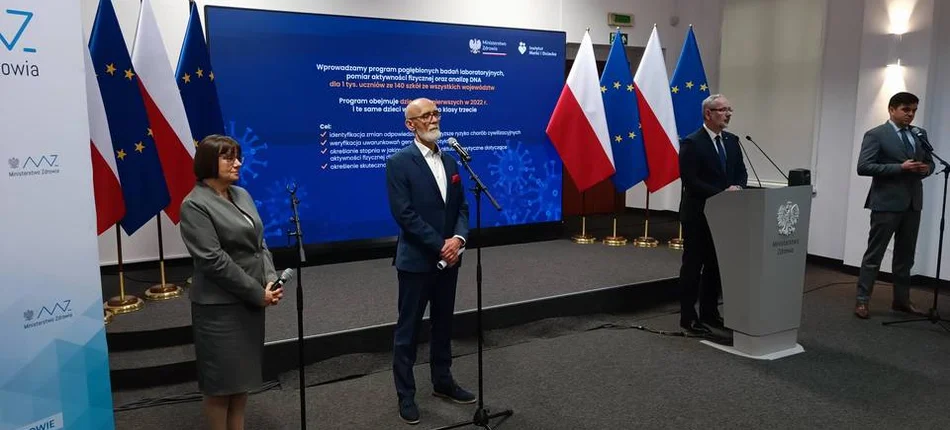
- One-fifth of eight-year-old boys are obese. We also investigated the waist-to-height ratio. It turned out that 25 percent. boys is about to develop abdominal obesity. In girls, this percentage was 20%. - lists prof. Anna Fijałkowska from the Institute of Mother and Child.
The high percentage of children with abnormal blood pressure is also worrying. One fifth of the boys in the study had abnormally high diastolic blood pressure. This could herald hypertension problems in the future.
The main reasons for this state of affairs are incorrect eating habits and lack of exercise.
- One-fifth of the parents of the children surveyed declared that during the pandemic, their children used salty snacks more often. In 23 percent consumption of sweets has increased. Together with the limited physical activity during the pandemic, this has translated into their behavior now. Almost 41 percent children declare that they currently spend more time in front of a computer screen, smartphone or tablet than before the pandemic - adds prof. Anna Fijałkowska.
There is also a problem with the mental health of eight-year-olds. Based on the questionnaires filled in by parents, it can be concluded that a few percent of children have symptoms of depression. At the same time, only half of eight-year-olds can say that their parents feel well.
- These results are not surprising, because the time of the pandemic has a negative impact on the health of children. At the moment, these most basic symptoms are visible, but in the following periods we will certainly notice further consequences related to obesity and overweight. These are cardiac problems, pre-diabetes and diabetes. They will affect an increasing proportion of the population. At the same time, we can already see that more and more children seek psychological or psychiatric help - comments Minister of Health Adam Niedzielski.
The health ministry reminds that the government is already making efforts to reduce the disturbing phenomenon. These are, on the one hand, awareness programs in consumer choices, and on the other, engaging students and graduates of physical education academies to help keep young people physically active. However, this is still not enough.
- We are opening a new cycle as part of a cohort study. We will examine the health of seven-year-olds, and then we will conduct tests in the same group of people every two years. There is also a need for a strategy for children's health, the development of which will integrate the activities of many ministries. The task of such a team will be to prepare a joint comprehensive plan with the status of a government document. I think that we will be able to get to know its foundations in February - announces Adam Niedzielski.
The research conducted by the Institute of Mother and Child was conducted on a group of over 2,000 eight-year-old children from over a hundred schools across the country. The children underwent medical examinations, determining height and weight, as well as blood pressure. Additionally, school staff and parents of the children completed questionnaires on the children's physical activity, screen time, as well as eating habits and mental state. Other European countries are doing similar research.