The free mammography program, aimed at women 45-74, is used by about 30 percent of those eligible. At least 70 percent should, because then the population effect of reducing mortality from breast cancer, the biggest, among cancer diseases, killer of women in Poland, can be achieved.
Polish women are not taking advantage of mammograms. Will invitations that save lives return?

Published Oct. 25, 2024 10:46
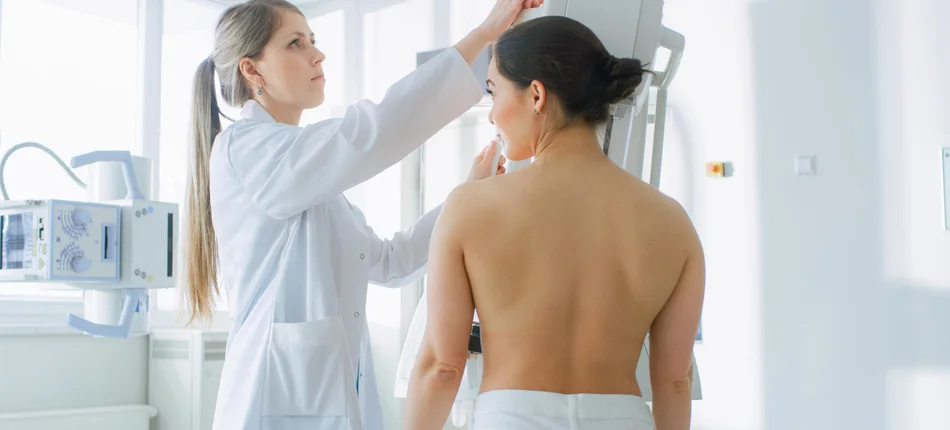
Fot. iStock/Getty Images
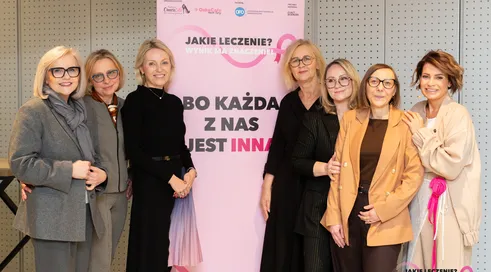
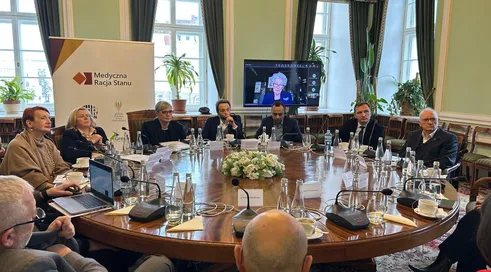
On Thursday, the OnkoCafe Foundation - Together Better presented the findings of the report "Breast Cancer Prevention" prepared based on quantitative research conducted on a group of women 18-74 years old, general analysis on the entire group of respondents and separately on the group aged 45-74 years old, as well as an in-depth qualitative study using the IDI (in-depth interview) method. The quantitative survey was conducted on a group of 1,000 women between the ages of 18 and 74. The sample was representative of age and the size of the locality of residence. The researchers took a closer look at the group of women over 45 targeted by the national screening program.
As experts point out, the goal of a minimum 70 percent reporting rate is extremely far off, although a decade ago we already had a reporting rate of 60 percent in the screening program (aimed at a narrower group of women at the time). "Along the way," however, there was a decision to stop sending out invitations for free mammography - the last time they were sent out was in 2016, and year after year, the reporting rate declined, and the time of the pandemic only dotted the i's, as that's when all prevention programs collapsed. Prof. Jacek Jassem, MD, longtime head of the Department of Oncology and Radiotherapy at the Medical University of Gdansk, considers the decision not to send out invitations "incomprehensible." - All over the world, screening is carried out precisely with the support of individual invitations. I am convinced that a return to this solution will cause a leap in the participation of women in screening," argues Prof. Jacek Jassem, MD, long-time head of the Department of Oncology and Radiotherapy at the Medical University of Gdansk.
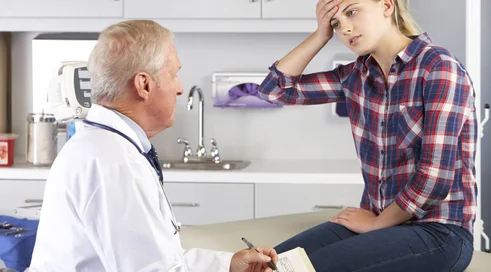
Oncologists and patient organizations alike are convinced that invitations are necessary - although in traditional form they should probably be sent only to a certain population. The report, moreover, shows that more than 70 percent of women who received an SMS invitation went on to have a mammogram. The most effective invitation, however, according to the women surveyed, would be to talk to a doctor - primarily a PCP or gynecologist, although occupational medicine doctors are also involved, as the Health Ministry wants occupational medicine to become much more involved in prevention. Many women who don't get mammograms explain it neither by fear of the test result (although this factor is undoubtedly an important reason) nor by lack of time, but by the fact that "the doctor didn't tell them about it." It can be assumed that before the effects of the new subject to appear in school, namely Health Education, which is supposed to provide knowledge of what the point of screening is, Polish women (and Poles) need a kind of guide or guardian - medical professionals should remind (and even control) whether they perform preventive examinations regularly.