The Health Ministry argues that the so-called "birth rooms", which are to operate in hospitals without maternity wards, are a safeguard for incidental, emergency, births. - Polish women are to give birth in maternity wards, not in EDs, Deputy Health Minister Tomasz Maciejewski assured on Wednesday.
Polish women will not give birth in EDs

Published Jan. 14, 2026 16:45

Fot. Getty Images/iStockphoto
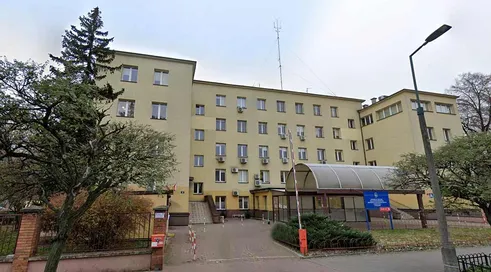
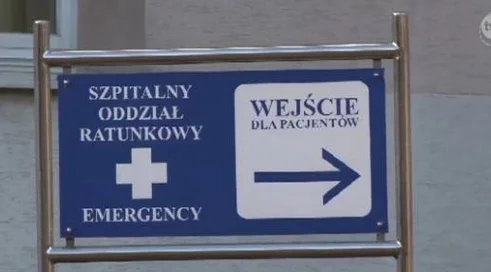
For days, even weeks, the discussion around the ministerial project that envisages the creation of so-called "birth rooms" in some hospitals has not quieted down. They would be created where delivery rooms are being abolished. The requirement is that the hospital must have an ED, so the cluster term "births in EDs" was created. And the assessment of this solution is not positive, although, as the deputy head of the Health Ministry stressed, it is unfair and based on misinformation.
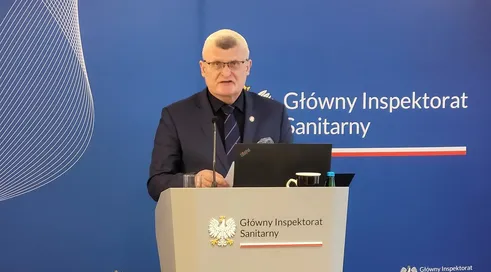
Tomasz Maciejewski stressed that the new solution is a response to real demographic and organizational processes, and not an attempt to lower standards in the care of women giving birth. - We would like to give a clear signal and stop the misinformation spreading in the media that we want to expose women giving birth in Poland to any danger. The regulation talks about creating a special room where a safe physiological birth can take place. This is not a place where planned births are supposed to take place, only incidental births. There are several such births per year," explained Maciejewski, explaining the assumptions behind the creation of the regulation on standards of perinatal care. The regulation, he said, is likely to be signed by the end of this week.
One of the objections to the project is constitutional concerns regarding equal access to perinatal care. The deputy health minister assured that discussions are underway on this issue. - This solution is intended to eliminate inequalities, not exacerbate them, he stressed. As he added, the ministry also relies on WHO recommendations, according to which the safe travel time for a woman giving birth to a hospital is 40 to 60 minutes. In Polish conditions, it translates into about 25 kilometers, taking into account the state of roads in the most difficult regions in this regard.
The Ministry of Health reminds that decisions to close maternity wards are not made in Warsaw, at the ministry's headquarters, but are made by the local governments running the hospitals. Last year alone, 26 maternity wards were closed in this way. The decisions are based on the low number of births, which does not allow the wards to maintain even minimal profitability.
When it comes to money and financing new developments, it is known for sure that hospitals cannot count on any additional funds. Maciejewski explained that when a hospital closes an obstetrics ward, it usually maintains the gynecology section and has a contract with the National Health Service for the operation of that ward - the birth room or maintenance of the ambulance that would be used to transport the parturient, should the midwife on duty assess that the situation nevertheless requires delivery in a facility with a ward, will have to be financed by the hospital from that very contract.
- Our midwives are among the best in the world. Graduation from midwifery studies already at the bachelor's level is associated with the admission of at least forty births. These are high standards and they realistically translate into safety," said Deputy Minister Katarzyna Kęcka. According to her, midwives are fully prepared to independently conduct physiological deliveries and assess the clinical situation of the woman giving birth. On the other hand, women who require more specialized assistance already at the stage of pregnancy should find out from a specialist in which center it is advisable to give birth.