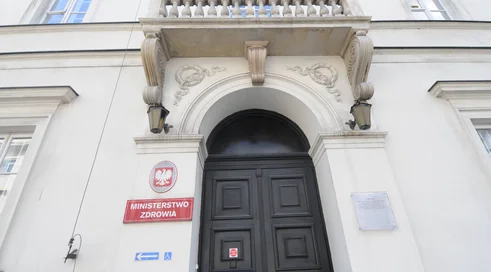
In Katowice, the first contract in the country was signed on Friday with a POZ clinic, which will provide patients with coordinated care. Theoretically, this model has been in force since October 1, but only now will the National Health Fund sign contracts with service providers. As the Minister of Health said, there are several dozen entities waiting in the queue.
POZ: Most clinics and patients without coordinated care

Published Oct. 24, 2022 08:19

- This is a fundamental change in the primary health care model, a great added value - said Adam Niedzielski, Minister of Health, who participated in the ceremony of signing the contract between the NHF branch and the CenterMed clinic. Coordinated care includes the treatment of asthma, diabetes, heart disease and thyroid disease. - Coordination is a new term that I would like patients to get used to, because it is putting the patient's needs at the center of attention in the sense that there will be a special coordinator in the units where there is coordinated care. The coordinator will ensure that the patient is taken care of in a timely manner and at the right time.
The minister explained that this "care" means - apart from a visit to a primary care physician - the possibility of specialist consultations in selected disease areas - of course in patients covered by coordination, i.e. chronically ill, with a confirmed diagnosis. - If the patient needs a visit to a specialist, he will not have to make an appointment or search where this visit is to take place, because the clinic, where the family doctor is located, will provide the opportunity to consult this specialist and the coordinator will arrange the patient during a visit, he will also make sure that diagnostics are performed and that it is done in a timely manner - explained Adam Niedzielski.
The minister asked patients to check whether their clinic has already started preparing to enter the process of introducing integrated care.
Meanwhile, POZ doctors emphasize that although coordination is a desirable and good model of patient care, the process of its implementation in Poland will last many years, and the decisions made by the payer - regarding, for example, the financial conditions offered to healthcare providers - do not accelerate this process. . On the contrary, as emphasized on Friday by the Zielonogórskie Agreement Federation, the offer of the National Health Fund means that only large entities, mostly operating in the largest cities, will have a chance to join coordinated care in the near future, and the lion's share of clinics and, above all, patients will remain outside the scope of coordinated care and will operate on the current principles.