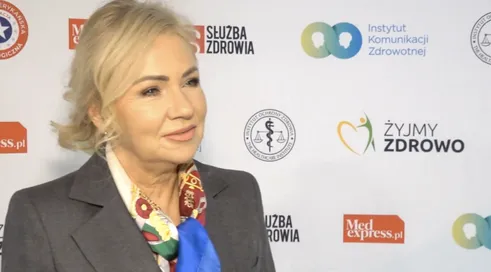
– We were unable to clearly, calmly and objectively explain to people where certain restrictions come from and why they should behave as they did. We were unable to explain our decisions factually, and it is worth adding that many of them were incomprehensible, wrong and absurd. They often resulted from ignorance, or from the fact that in many countries the pandemic was managed by politicians, not experts, said Prof. Mariusz Gujski, Dean of the Faculty of Health Sciences of the Medical University of Warsaw, commenting on the results of an international study on the strategy of minimizing the effects of future pandemics. Professor Gujski is a co-author of an article published in the prestigious journal Nature.
Prof. Mariusz Gujski: Communication was an Achilles heel during the pandemic

Published Nov. 16, 2022 19:34
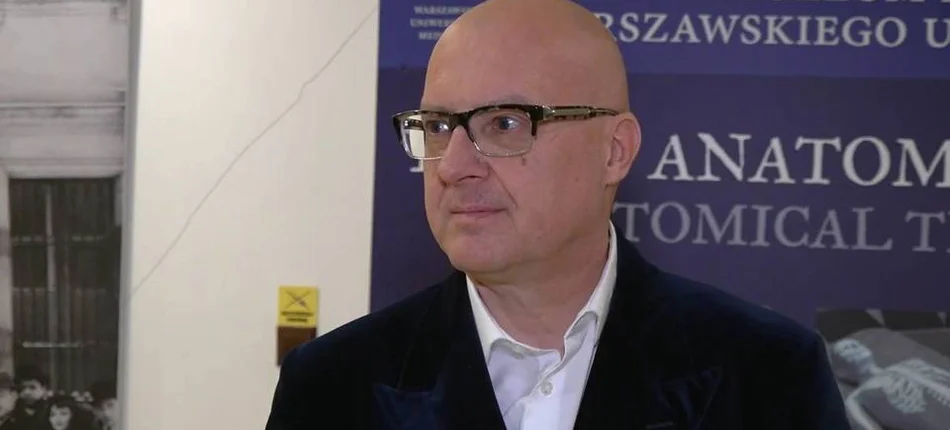
Professor, you were a participant in the #COVIDconsensus panel. What are the most important recommendations of experts that will allow you to defend yourself against the pandemic without increasing the social burden.
The publication in Nature is the world's first recommendations on the Covid-19 pandemic, built by scientists from around the world. An important value is that these are the first recommendations built by the scientific team. Previously, there were recommendations of WHO, ECDC, various policy recommendations, and these are the first recommendations of scientists from around the world. They are based on the collection of knowledge and experience from nearly two years of the pandemic. These experiences build our understanding of what we did wrong, very wrong, or what we did right. If we go back to the beginning of the pandemic and compare it with our current experiences, it turns out that today we would do many things completely differently. Among the recommendations, quite a lot of space was devoted to communication. I think that was the Achilles heel of this pandemic. We could not very clearly, calmly and objectively explain to people where certain limitations come from and why they should behave as they did. We were unable to explain our decisions factually, and by the way, it is worth adding that many of them were incomprehensible, wrong and absurd. They often resulted from ignorance, or from the fact that in many countries the pandemic was managed by politicians, not experts. The thesis that this type of health phenomenon should be managed by experts (scientists, doctors, communication specialists) was also included in these recommendations. In countries where politicians were smart enough to hand over decision-making to a body of experts, things fared much better. In the global recommendations, we draw attention to the need for cooperation not only within individual countries, but also global cooperation between governments, the pharmaceutical industry and donors. All this to develop solutions faster, better and in a more constructive way. More wealthy countries should look for mechanisms to share their wealth with middle and low-income countries. It is very important to introduce social justice, i.e. leveling inequalities in health.
Vaccinations are still the axis of the fight against the pandemic
I think we are making it clear within the consensus framework that vaccination is very important, but isolation would not be enough. Therefore, we propose a strategy that includes a comprehensive vaccination mechanism and all the other mechanisms that we have used in the past. We perfectly remember to isolate the sick, quarantine people with suspected infection, social distance and use personal protective equipment, masks, frequent hand disinfection. Today we know that only comprehensive actions bring the maximum and desired effect.
Thank you for the interview.