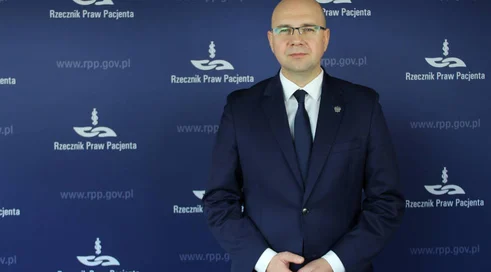
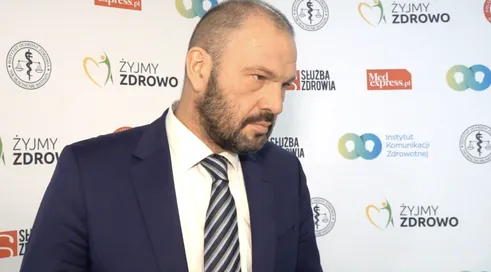
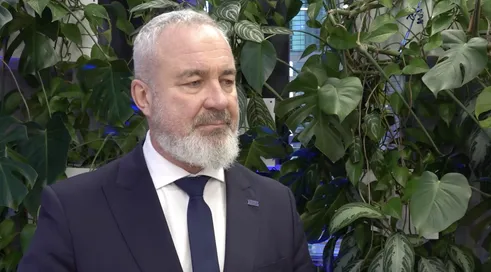
Interview with Prof. Wojciech Hanke, Chairman of the Presidium of the Public Health Committee of the Polish Academy of Sciences, conducted during the conference of the Public Health Committee of the Polish Academy of Sciences "Polish Health 2.0. Strategic Recommendations for 2023-2027".
Prof. Wojciech Hanke: The potential of occupational medicine is huge, but not used enough

Published Sept. 20, 2023 08:00
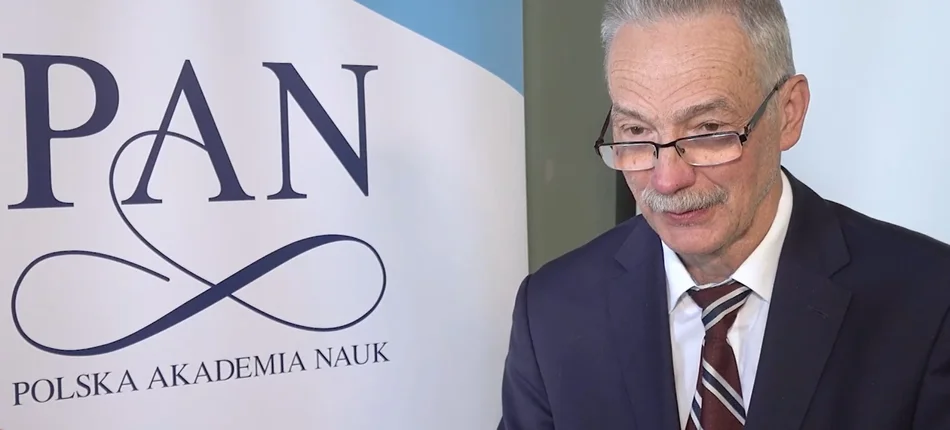
Occupational medicine has great potential potential in implementing public health strategies. To what extent is it being utilized.
The potential is indeed huge. Most of us go for a preventive examination once every three or four years, and this is an examination that can be a review of health. It's not just an examination for jurisprudential purposes, that is, to get a document. It's also an examination to tell if we have hypertension, high sugar, what our weight is compared to our height, or BMI.
The occupational physician actually sees the employee regularly from time to time. This can serve to detect many diseases of civilization, sometimes at an early stage. However, diagnostic vigilance is needed....
Absolutely, diagnostic vigilance is needed, but this vigilance is also supposed to be a feature of the patient. He, of course, thinks most often optimistically about his health. However, there are a number of diseases that do not produce symptoms, and among them are cancers, such as colorectal cancer, which is a silent killer. By the time it presents itself, or symptoms, it is already a really advanced disease. While women are reasonably good at monitoring cytology or mammography, it's bad with colonoscopy, and few perform prostate examinations.
What are the most important public health challenges in the coming years?
We need to control epidemics, and not just the big ones that appear suddenly and mobilize us and cause mass action. After all, we also have an epidemic of obesity, we have an epidemic of tobacco-related diseases, we have alcohol-related diseases, we have depression. We live in times that are neither conducive to relaxation nor to achieving a balance between work and family life. The challenges are many. You can talk about them, but also look at them from the point of view of the challenge of the system: How to make preventive examinations more effective? How to make going to the primary care doctor better cared for, to wait shorter for specialist advice, to go to the hospital to get the right treatment as soon as possible. Today, many treatments are performed in one day.
We have defined the challenges. What recommendations follow?
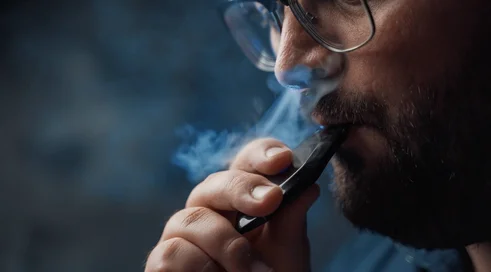
With the tobacco epidemic, the challenge is first and foremost the availability of these products. I am no longer talking about traditional cigarettes, but I am also talking about these innovative products. They are widely available, they are advertised. What is needed is education and saying that this is a product that has not been fully researched, however, that it can be addictive. Of course, it is the lesser evil compared to smoking, but smoking can be quit.