First, talks with representatives of rescue workers, then - a meeting at the Prime Minister's office on measures to improve the safety of this professional group. After the tragic death of a paramedic, the government wants "two-speed" action: immediate action and long-range action, which will require legislative changes.
Self-defense for paramedics

Published Jan. 29, 2025 17:27
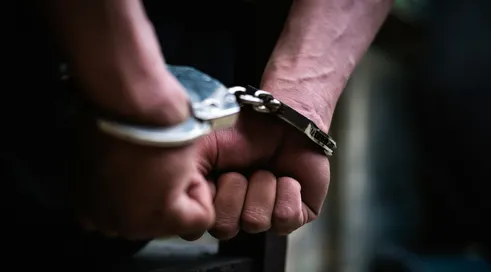
Fot. Getty Images/iStockphoto
- We discussed the demands that paramedics made after Saturday's tragedy. There are many that can be implemented already, including an educational campaign and a social campaign to raise awareness that a paramedic comes to save our life and health," Health Minister Izabela Leszczyna said after the meeting with the rescuers. In addition to the health ministry leadership, the meeting was also attended by the deputy ministers of internal affairs and administration and justice.
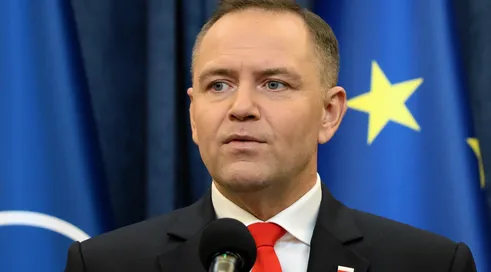
It was agreed that starting Friday, January 31, a team headed by Deputy Health Minister Mark Kos will work on proposals for changes that will implement the demands of the rescuers. There will also be ad hoc measures - the police have pledged to conduct self-defense training in all provinces. Ultimately, such training is to be implemented as part of in-service training by CMKP. Leszczyna also said that it will be checked to what extent the training of rescuers, both pre-graduate and post-graduate in-service courses, meets real needs and gives rescuers a sense of security while performing their professional duties.
Government representatives did not say "no" to any of the demands made by the rescuers - including a proposal to tighten penalties for violation of immunity or insult. However, Leszczyna said, first the justice ministry is to urgently - within a few days - analyze how such cases are currently handled, to what extent the existing penalties are enforced. The head of the health ministry reminded that according to current legislation, a paramedic is a public official, and any attack on a public official is punishable. The problem is that reality falls short of declarations and cases in which rescuers have experienced physical violence end up with penalties that are not commensurate with the acts (community service). The Health Minister noted that a possible decision on amendments to the Criminal Code will be announced by Prime Minister Donald Tusk, with whom the head of the ministry met as recently as Wednesday.
Perhaps the ratepayers will also live to see the video surveillance they have been advocating. A few years ago, the idea fell through due to opposition from the Office of Personal Data Protection, but Izabela Leszczyna said she would take up the topic with the President of the Office of Personal Data Protection. The idea is to work out a solution that reconciles the need to protect patients' privacy and the greater security of emergency workers. Deputy Minister Marek Kos said that perhaps the solution would be to equip only the head of the Emergency Medical Service with a camera, which would trigger recording in situations indicating the possibility of aggression or directly in situations of threat of aggression.