I have received information that the National Health Fund intends to abandon the use of the electronic health insurance card and to stop issuing it from April this year. Well, another decision that spoils the healthcare system. I am slowly getting used to the idea that the teams of "good change" in health specialize in destruction.
Short Vademecum

Published Feb. 17, 2021 08:47
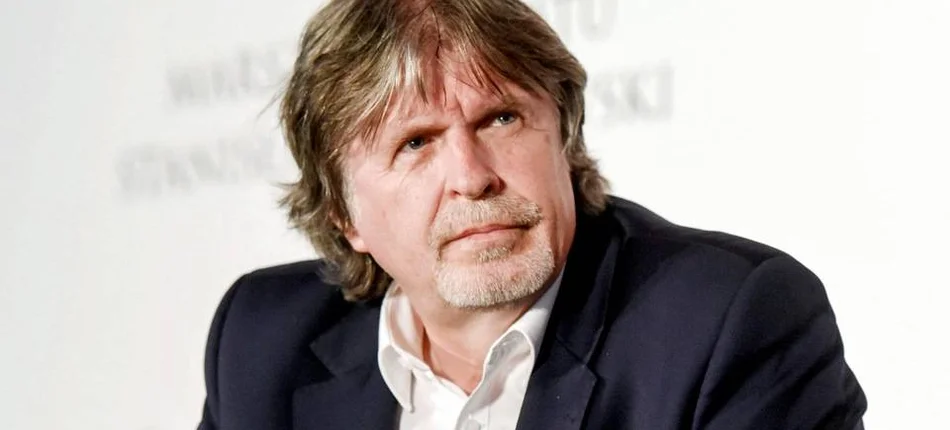
Fot. K. Rainka
On the occasion of this decision, it was clearly shown that the current health managers are simply completely ignorant of how this whole system works, what it is for and how it works.
When answering the question of what to do with the above-mentioned NFZ card, it turned out that the card is treated mainly as a document confirming the entitlement to benefits. Yes, this function is performed by this card, but it is a function attached to this card at the time of entry into force of health insurance, while the main function of this card was to authorize, i.e. confirm by the insured, the performance of a given health service. And no other document and no other computer application made late so far has taken over this fundamental function for this card.
For those unaware of this state of affairs, I also explain that the need to authorize services resulted years ago from the fact that in no reliable way it was possible to count how many and what health services are provided. The information obtained in the statistical reports was more or less as reliable as the information on daily coronavirus infections today. The use of the card in the system was to certify that the patient was personally present at the clinic or hospital by handing over the card at registration. Without this card, any number of advice could be reported and accounted for without the possibility of verifying its truthfulness.
Due to the fact that successive ministerial teams, including the present one, are deeply ignorant of the functioning of the health care system, I feel obliged to explain a few basic issues and problems that once formed the basis of changes in the health care system, and whose meaning seems incomprehensible at the moment.
The health insurance system was created to stabilize the financing of health care and take the level of its financing out of the annual political discourse.
The removal of health insurance funds from the direct authority of the minister of health was aimed at separating the function of the payer for benefits from the political decision-maker. The level of financing of medical facilities was to depend only on the services provided, and not on the political will and influence of local coterie. That is why the directors of sickness funds were appointed by the regional structures and the minister had nothing to do with it.
The departure from the budgeting of medical facilities was aimed at increasing the role of the patient. The amount of revenues of a medical facility was to depend on the number of services provided, because budgeting is a pathological and at times ridiculed system "whether you stand or lie down ...".
The difficult departure from free medicines for pensioners was aimed at curbing polypharmacy and the widespread abuse of this right. When retired, the entire family and relatives were treated, and the cabinets in their apartments were overcrowded with medicines.
The handing over of medical facilities to local governments was to increase and bring closer the supervision over medical facilities. Voivodes, as owners of several or several dozen medical facilities, were not able to supervise and restructure them.
The decentralization of the payer (sickness funds, then branches of the National Health Fund) and the transfer of facilities to local governments was also aimed at decentralizing numerous conflicts in health care. Conflict in one branch or with one group of employees did not turn into a nationwide conflict.
The inclusion of institutions belonging to various entities, including private ones, into the system was aimed at stimulating competition and, where possible, eliminating or limiting the monopoly. Thanks to this, for example, a nationwide ambulance strike was no longer possible.
That's not all, but I will stop there.
From many of these solutions, teams of "good change" gradually departed and there is not much left to spoil. Although who knows?
Source: " Healthcare ”2/2021