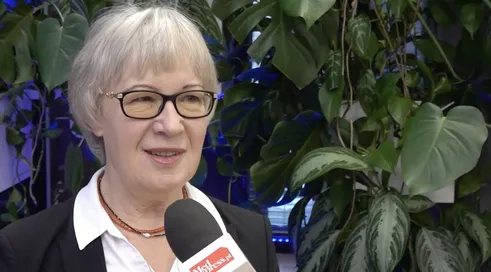
Mateusz Grajek, MD, from the Department of Public Health at the Silesian Medical University, the initiator of a recent study published in the journal Cancers(https://www.mdpi.com/2072-6694/17/4/662), and his team of researchers analyzed the long-term effects of the COVID-19 pandemic on oncology patients in Poland. The results indicate a significant deterioration in the quality of life and mental health of cancer patients, highlighting the urgent need for changes in the oncology care system.
Mental health status of cancer patients after COVID-19 pandemic

Published Feb. 17, 2025 09:00
Fot. Getty Images/iStockphoto
The main results of the study showed that as many as 68% of cancer patients experienced a significant deterioration in quality of life during the pandemic, and 52% reported increased symptoms of depression and anxiety. Importantly, the analysis showed a strong correlation between limited access to specialized care and deterioration of patients' mental state - 41% of respondents who encountered difficulties in accessing treatment were more likely to report depressive symptoms. In addition, 59% of patients stressed that the lack of psychological support negatively affected their well-being, and among those who had psycho-oncological support, anxiety and stress levels were noticeably lower. In turn, 47% of respondents indicated the need for better coordination of oncology care, which correlated with fewer interruptions in treatment and a greater sense of security among patients.
- The pandemic caused disruptions in cancer diagnosis and treatment, which translated into uncertainty, stress and decreased well-being for patients, reports Dr. Grajek. The analysis compared periods before, during and after the pandemic, showing the long-term consequences for patients. - Our study proves that we can't limit oncology care to only the medical aspect - psychological support and care coordination are key, he adds.
In this context, researchers highlight the growing role of psycho-oncology. Psychological support can reduce anxiety, improve patients' adaptation to treatment and increase their motivation for therapy. - Psychooncology should be a standard part of oncology care, not just an add-on, Dr. Grajek points out.
Another important aspect is the role of the oncology care coordinator, who makes it easier for patients to navigate the health care system. - The coordinator not only helps organize treatment, but also supports the patient emotionally and informatively, which is of great importance in crisis situations, Dr. Grajek emphasizes.
In conclusion, the study shows that effective oncology care should be multifaceted - combining medical treatment, psychological support and effective coordination. - We need to learn from the pandemic and build a more resilient system that provides comprehensive care to patients in all conditions, Dr. Grajek concludes.
Source: Silesian Medical University